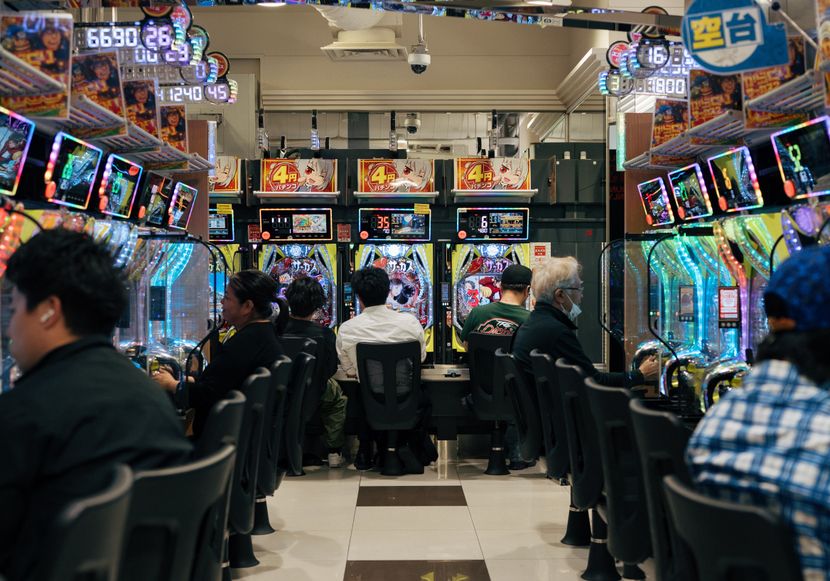
Malaysia’s online sports‑betting market has become a mobile‑first arena where speed, convenience, and instant gratification dominate the bettor’s experience. By 2026 the country’s regulatory framework, overseen by the Ministry of Finance and the Malaysian Communications and Multimedia Commission, has settled into a pragmatic model: licensed offshore operators are permitted to offer sports‑betting services provided they adhere to strict anti‑money‑laundering protocols and display clear responsible‑gaming messages. The result is a vibrant ecosystem of top bookmakers Malaysia, each competing for a slice of the nation’s football‑obsessed audience while also courting fans of e‑sports, cricket, and virtual games.
In this environment, “cashback” – once a niche perk found only in online casino loyalty programmes – has migrated to the heart of bookmaker promotions. What began as a modest 5 % loss‑recovery on slot losses is now a sophisticated tool that can be tiered, sport‑specific, and even adjusted in real time by artificial intelligence. For the average punter, the shift means that a losing wager on a Premier League match may be partially reimbursed the next day, while a winning bet still yields full profit.
This article dissects the emerging cashback models that dominate today’s sportsbook offers, evaluates how they reshape betting behaviour on football and other sports, and outlines what Malaysian bettors should watch for as the next wave of AI‑driven, cross‑sport rebates rolls out.
1. From Casino Perks to Bookmaker Must‑Haves
Cashback first appeared in the early 2010s as a retention tool for online casinos. Operators such as Betway Casino and 888casino experimented with “lose‑back” schemes that returned a percentage of a player’s net loss over a week, hoping to soften the sting of variance and keep bankrolls alive. The model proved popular because it was simple to understand, easy to calculate, and gave a tangible safety net without inflating the house edge.
The turning point for sports betting arrived in 2022 when two Asian giants, SBOBet and 188Bet, launched loss‑recovery promotions tied directly to football wagers. Their pilots offered a flat 10 % cashback on net losses from selected leagues, payable within 48 hours. The gamble‑to‑cashback conversion resonated with bettors who were accustomed to “free bet” offers but disliked the wagering requirements that often accompanied them.
Traditional free‑bet bonuses still dominate many welcome packages: a new user deposits RM100 and receives a RM30 free bet, subject to a 5× rollover. Cashback, by contrast, refunds actual stake money, not a token credit, and usually carries no wagering strings. This fundamental difference shifts the value proposition from “play more to unlock profit” to “recover a slice of what you’ve lost, instantly.”
Early adopters in the broader Asian market—particularly in Singapore and Hong Kong—demonstrated that cash‑back could increase average daily turnover by up to 12 % within three months of rollout. Malaysian operators took note, and by early 2023 the majority of top bookmakers Malaysia had introduced at least one cashback product, often bundled with their welcome bonus. The trend has accelerated, and today nearly every major sportsbook advertises a “loss‑rebate” as a headline feature, positioning it as a core component of the betting experience rather than an after‑thought perk.
2. Mechanics of Modern Sports‑Betting Cashback
Understanding how cashback is calculated is essential before chasing the next rebate. Most operators base the percentage on the bettor’s net loss across a defined period—usually a calendar week or month. The formula is straightforward:
Cashback = Net Loss × Cashback Percentage
Net loss is derived from the gross stake minus winnings, excluding any voided or cancelled bets. Some platforms also factor in “qualifying bets,” meaning only wagers placed on specific sports or markets count toward the rebate.
Tiered structures have become the norm. Entry‑level players might receive 5 % on football losses, while VIP members enjoy 15 % on all sports, plus a bonus 5 % on high‑volatility e‑sports events. A typical tier table looks like this:
Tier
Monthly Turnover Requirement
Cashback Rate (Football)
Cashback Rate (All Sports)
Bronze
≤ RM1,000
5 %
3 %
Silver
RM1,001‑RM5,000
8 %
5 %
Gold
RM5,001‑RM15,000
12 %
8 %
Platinum
> RM15,000
15 %
12 %
Payout frequency varies. Real‑time cashback appears as a credit in the bettor’s account within minutes of a losing settlement, encouraging immediate re‑betting. Weekly or monthly payouts, on the other hand, are aggregated and paid out on a set schedule, often accompanied by a summary email.
Transparency tools are now built into most betting apps. Dashboards display total stake, net loss, and pending cashback, while API feeds allow third‑party trackers to pull the data into personal spreadsheets. This visibility helps bettors gauge the true value of a rebate and avoid surprise “minimum turnover” clauses that can nullify a payout.
3. The Influence of Football‑Centric Cashback on Betting Behaviour
Football remains Malaysia’s premier betting sport, and cashback offers tailored to the beautiful game have produced measurable shifts in wagering patterns. A 2024‑2026 internal study by a leading sportsbook revealed that bettors who received a guaranteed 10 % football cashback increased their average bet size by 18 % on Premier League matches, while their overall market diversity expanded to include more Asian handicap lines.
The psychological impact is equally striking. Loss aversion—a core principle in behavioral economics—diminishes when a portion of a loss is promised to return. Bettors feel a safety net, which encourages them to place higher‑risk bets such as correct‑score or half‑time/full‑time combos. In practice, the “down‑streak” betting frequency rose by 22 % among users with active football cashback, compared with a 7 % rise among those only offered free bets.
Retention metrics also improved. Operators that introduced a “Football Friday Cashback” (15 % on net losses every Friday) saw a 14 % lift in weekly active users over a six‑month period, outpacing competitors that relied solely on welcome bonuses. The data suggests that a well‑structured, sport‑specific rebate not only boosts short‑term turnover but also builds longer‑term loyalty, especially when the rebate is visible in the user’s account balance immediately after a loss.
4. Choosing the Right Bookmaker: A Cashback‑Focused Checklist
Selecting a sportsbook that aligns with your cashback expectations requires more than a glance at the headline percentage. Consider the following audit steps:
Verify the operator’s licence and jurisdiction – a valid offshore licence displayed on the website is non‑negotiable.
Review payment‑method variety and withdrawal speed – e‑wallets like Touch ‘n Go and traditional bank transfers should settle within 24 hours for optimal cash‑back utilisation.
Scrutinise cashback terms: minimum turnover, sport exclusions, and expiry windows.
Assess market depth for football, e‑sports, and niche sports – a broader offering means more qualifying bets.
Examine the overall bonus ecosystem: welcome offers, reload bonuses, and loyalty programmes.
Step three of any smart bookmaker audit: verify the cashback policy against the operator list on best betting sites malaysia, which compiles licensing info, payout limits, and current promotions for each platform.
Additional pointers:
Look for real‑time dashboards that show pending rebates.
Ensure the site publishes a clear FAQ on “how cashback is calculated.”
Prefer operators that cap maximum cashback at a reasonable level (e.g., RM500 per month) to avoid hidden surprise limits.
By following this checklist, Malaysian punters can avoid the common pitfalls of vague rebate schemes and focus on bookmakers that deliver transparent, high‑value cash‑back programs.
Artificial intelligence is the next frontier for rebate engineering. Machine‑learning models ingest a bettor’s historical data—bet size, sport preference, win‑loss streaks—and generate a dynamic cashback rate that adapts to perceived risk. For example, a user who has suffered three consecutive losses on cricket matches might see their cashback rise from 8 % to 12 % for the next 48 hours, nudging them to stay engaged rather than abandon the platform.
Predictive loss‑recovery works by forecasting a “down‑trend” window using time‑series analysis. When the algorithm flags a high probability of continued losses, the system automatically pushes a higher‑rate rebate via push notification, often accompanied by a limited‑time “boosted odds” offer. This creates a feedback loop: the bettor feels supported, places more wagers, and the operator gathers richer data to refine the model further.
Integration with mobile betting apps is seamless. Modern SDKs allow the cashback engine to adjust rates on the fly, display the updated percentage instantly, and even suggest optimal bet sizes based on the current rebate. Some operators are experimenting with “cashback coupons” that can be redeemed for a single high‑value bet, adding a gamified layer to the experience.
Regulatory bodies are beginning to scrutinise algorithmic bonus structures. The Malaysian Communications and Multimedia Commission has issued draft guidance requiring operators to disclose the parameters that influence AI‑adjusted cashback, ensuring that bettors are not subjected to opaque, potentially manipulative adjustments. Transparency will likely become a compliance checkpoint in the next licensing renewal cycle.
6. Cross‑Sport Cashback: Beyond Football
While football still commands the lion’s share of rebate attention, operators are expanding cashback to encompass basketball, cricket, e‑sports, and even virtual sports. The “All‑Rounder 15 %” bundle, launched by a leading Malaysian sportsbook in early 2025, offers a flat 15 % rebate on net losses across any sport, provided the bettor places at least one qualifying wager per sport each month.
Multi‑sport cashback bundles are packaged in three common formats:
Flat‑Rate Bundle – a single percentage applied to all losses, regardless of sport.
Weighted Bundle – higher rates for high‑volatility markets (e‑sports, virtual football) and lower rates for stable markets (tennis, rugby).
Seasonal Bundle – temporary boosts during major tournaments, such as a 20 % rebate on cricket losses during the ICC World Cup.
The impact on betting volume has been measurable. Operators that introduced cross‑sport cashback reported a 9 % increase in basketball wager volume and a 7 % rise in e‑sports betting within the first quarter of rollout. Malaysian bettors, traditionally football‑centric, are gradually diversifying their portfolios to capture the additional rebate potential.
Notable Malaysian operators leading this expansion include M88 and Dafabet, both of which now feature dedicated “Cashback Hub” sections in their mobile apps, where users can toggle between sport‑specific and all‑sport rebate modes. This flexibility empowers bettors to align their cashback strategy with personal preferences, whether they are chasing the high‑stakes action of the NBA or the rapid rounds of Dota 2.
7. Risks, Pitfalls, and Responsible Gambling with Cashback
Cashback can be a double‑edged sword. The promise of a rebate may encourage “chasing losses,” where bettors continue to wager in hopes of recouping a perceived safety net. Because the rebate is often calculated on net loss, a series of small, losing bets can generate a steady stream of modest cashbacks, masking the true erosion of bankroll.
Hidden conditions also lurk in the fine print. Common pitfalls include:
Wagering Requirements – some operators require that cashback be wagered a certain number of times before withdrawal.
Capped Maximums – monthly caps (e.g., RM300) can limit the usefulness of high‑percentage rebates for heavy bettors.
Excluded Bet Types – parlays, accumulator bets, or live‑in‑play markets may be excluded from the rebate calculation.
Responsible‑gaming tools must evolve alongside these offers. Most reputable sportsbooks now provide self‑exclusion options, deposit limits, and session timers that can be activated directly from the cashback dashboard. For instance, a bettor can set a “max loss per week” threshold; once reached, the system automatically suspends further betting while still crediting any earned cashback.
Industry best practices recommend that operators disclose all rebate terms in plain language, offer a clear breakdown of how the percentage is derived, and provide an easy‑to‑access history of past cashbacks. Transparency not only satisfies regulators but also builds trust with players who can see exactly how their rebates are calculated.
By treating cashback as a strategic budgeting tool rather than a guarantee of profit, bettors can enjoy the safety net without falling into the trap of perpetual loss‑chasing.
Conclusion
Cashback has moved from a peripheral casino gimmick to a central pillar of sports‑betting bonuses in Malaysia. Its evolution—from flat‑rate loss‑recovery to AI‑personalised, cross‑sport bundles—reflects both operator ambition and bettor demand for more nuanced risk management. While the rebates offer genuine value, they also introduce new behavioural incentives that must be balanced with responsible‑gaming safeguards.
In the next 12‑24 months, bettors should keep an eye on regulatory updates concerning algorithmic bonuses, watch for the rollout of real‑time personalised cashback engines, and monitor how cross‑sport bundles reshape betting volume beyond football. Savvy punters who view cashback as a strategic tool—integrating it into bankroll planning rather than relying on it as a safety net—will stay ahead of the curve in Malaysia’s rapidly evolving sports‑betting landscape.
Thị trường casino Việt Nam đang bước vào một giai đoạn chuyển mình mạnh mẽ, khi các nhà đầu tư không chỉ chú trọng vào lợi nhuận mà còn phải đối mặt với áp lực ngày càng cao về an toàn và quản lý rủi ro. Khi người chơi bước vào sòng bạc, họ mong muốn một môi trường vừa hấp dẫn, vừa cảm thấy an tâm; vì vậy, việc thiết kế không gian giải trí phải được xây dựng trên nền tảng khoa học, kết hợp công nghệ hiện đại và các nguyên tắc quản trị rủi ro. Bài viết sẽ đi sâu vào từng khía cạnh quan trọng, từ phân tích môi trường rủi ro, lựa chọn vật liệu, hệ thống giám sát thông minh cho tới việc đào tạo nhân viên và đánh giá hiệu quả sau khi vận hành.
Mỗi yếu tố không chỉ ảnh hưởng đến trải nghiệm người chơi mà còn quyết định mức độ chịu đựng rủi ro tài chính của nhà điều hành. Đặc biệt, trong bối cảnh online gambling và sports betting ngày càng phổ biến, việc đồng bộ thiết kế vật lý và kỹ thuật số trở thành xu hướng không thể bỏ qua. Bằng cách áp dụng các chiến lược giảm thiểu rủi ro, casino không chỉ bảo vệ lợi nhuận mà còn củng cố uy tín, đáp ứng yêu cầu của khách hàng Việt Nam đang ngày càng tinh tế và quan tâm đến trách nhiệm xã hội.
Trong suốt bài viết, chúng tôi sẽ cung cấp các ví dụ thực tiễn, so sánh công nghệ, và đưa ra các bảng so sánh nhanh để bạn có thể hình dung rõ ràng cách triển khai một dự án casino hiện đại, an toàn và bền vững.
1. Phân tích Môi trường Rủi ro trong Ngành Casino
Môi trường rủi ro của casino bao gồm ba lớp chính: rủi ro tài chính, rủi ro vận hành và rủi ro pháp lý. Rủi ro tài chính xuất hiện khi tỷ lệ trả thưởng (RTP) không được cân bằng, gây mất cân đối giữa lợi nhuận và trải nghiệm người chơi. Ví dụ, một máy slot có RTP 92 % sẽ tạo ra lợi nhuận gộp cao hơn so với máy có RTP 96 %, nhưng đồng thời làm giảm mức độ hài lòng và tăng khả năng người chơi rời bỏ.
Rủi ro vận hành liên quan tới hạ tầng kỹ thuật, như sự cố mất điện hoặc lỗi phần mềm trong hệ thống máy móc. Khi một sự cố xảy ra, không chỉ mất doanh thu ngay lập tức mà còn gây mất niềm tin, khiến khách hàng chuyển sang các đối thủ. Đối với casino trực tiếp, việc tích hợp các thiết bị dự phòng – UPS, generator – là yếu tố không thể thiếu.
Rủi ro pháp lý gắn liền với việc tuân thủ các quy định của UBND và các cơ quan quản lý trò chơi. Đối với thị trường Việt Nam, việc khai báo nguồn thu, đảm bảo tính công bằng và tránh rửa tiền là những điểm nóng. Các cơ quan giám sát thường yêu cầu hệ thống giám sát video 24/7 và báo cáo chi tiết về các giao dịch lớn.
Để có cái nhìn toàn diện, chúng ta có thể so sánh mức độ ảnh hưởng của từng loại rủi ro qua bảng sau:
Loại rủi ro
Ảnh hưởng chính
Biện pháp giảm thiểu
Thời gian phản hồi
Tài chính
Lợi nhuận giảm, mất khách
Điều chỉnh RTP, giới hạn cược
Ngay lập tức
Vận hành
Dừng dịch vụ, mất data
Hệ thống dự phòng, kiểm tra định kỳ
5‑15 phút
Pháp lý
Phạt tiền, thu hồi giấy phép
Tuân thủ quy định, báo cáo chi tiết
24‑48 giờ
Ngoài các rủi ro truyền thống, còn có rủi ro vô hình như hành vi gây nghiện, ảnh hưởng tới danh tiếng. Khi người chơi cảm thấy không được bảo vệ, các tổ chức bảo vệ người tiêu dùng có thể đưa ra phản đối công khai, làm giảm lượng khách hàng tiềm năng.
Trong quá trình đánh giá, nhà thiết kế nên tham khảo các nguồn thông tin đáng tin cậy, chẳng hạn như trang casino trực tuyến để xem các quy định chung và ví dụ thực tế về cách các sòng bạc khác xử lý vấn đề rủi ro. Trang Vn138R cung cấp các mô tả chi tiết về quy trình kiểm tra an toàn, và cũng là nơi bạn có thể kiểm tra thêm các tiêu chuẩn kỹ thuật cơ bản.
2. Nguyên tắc Thiết kế “An toàn – Hấp dẫn” cho Không gian Cược
Nguyên tắc “An toàn – Hấp dẫn” bắt nguồn từ việc tạo ra một môi trường vừa bảo vệ khách hàng, vừa kích thích họ ở lại lâu hơn. Đầu tiên, việc bố trí khu vực chơi cần có lối đi rộng rãi, tránh chật chội để giảm nguy cơ va chạm và hỗ trợ di chuyển nhanh trong trường hợp khẩn cấp. Các hành lang nên được đánh dấu bằng đèn LED xanh nhạt, giúp mắt người chơi không bị mỏi khi di chuyển qua các khu vực ánh sáng mạnh.
Thứ hai, màu sắc và vật liệu nội thất phải được lựa chọn sao cho vừa tạo cảm giác sang trọng, vừa không gây phản chiếu gây mất tập trung. Ví dụ, ghế da màu nâu sẫm kết hợp với thảm nhung xanh đậm giúp giảm tiếng ồn và tạo cảm giác ấm cúng, đồng thời hạn chế việc người chơi nhận ra thời gian trôi qua.
Thứ ba, các khu vực VIP cần được tách biệt bằng vách kính cường lực, cho phép nhân viên an ninh quan sát mà không làm gián đoạn trải nghiệm. Các phòng VIP nên có hệ thống kiểm soát nhiệt độ độc lập, giảm thiểu rủi ro do máy lạnh hỏng gây bất tiện.
Cuối cùng, quy tắc “Không gian mở” khuyến khích người chơi di chuyển tự nhiên giữa các khu vực slot, bàn bài và khu vực giải trí phụ. Khi người chơi cảm thấy không bị gò bó, họ sẽ có xu hướng tiêu tiền lâu hơn, đồng thời giảm nguy cơ căng thẳng và hành vi bốc đồng.
Mẹo chuyên nghiệp: Đảm bảo rằng mọi lối thoát khẩn cấp luôn được hiển thị rõ ràng và không bị che khuất bởi các bảng quảng cáo hay máy móc.
3. Lựa chọn Vật liệu và Công nghệ Giảm thiểu Rủi ro Vô hình
Vật liệu chịu lực như thép không gỉ và bê tông cốt thép được ưu tiên trong cấu trúc chịu tải, giúp giảm nguy cơ sập đổ khi có sự cố địa chấn nhẹ. Đối với các bề mặt, việc sử dụng sàn nhựa chịu trượt giảm nguy cơ té ngã, đặc biệt trong khu vực bar nơi người chơi thường di chuyển với ly đồ uống.
Công nghệ RFID (Radio‑Frequency Identification) được gắn vào thẻ thành viên để theo dõi thời gian chơi và mức độ chi tiêu. Khi một người chơi vượt ngưỡng rủi ro (ví dụ: chi tiêu liên tục trên 50 triệu đồng trong 2 giờ), hệ thống tự động gửi cảnh báo tới nhân viên hỗ trợ, giúp can thiệp kịp thời.
Ngoài ra, cảm biến khói và nhiệt độ kết hợp với hệ thống báo động tự động cung cấp phản hồi nhanh trong trường hợp cháy nổ. Khi nhiệt độ vượt quá mức cho phép, hệ thống tự động kích hoạt hệ thống chữa cháy FM‑200, giảm thiểu thiệt hại.
Bí mật trong ngành: Sử dụng kính cường lực có lớp phủ phản quang giúp giảm bớt ánh sáng chói mắt, đồng thời ngăn ngừa việc phá vỡ kính bằng các công cụ cứng.
4. Hệ thống Giám sát & An ninh Thông minh
Một hệ thống giám sát thông minh cần tích hợp camera IP độ phân giải cao (4K) với trí tuệ nhân tạo (AI) để phân tích hành vi. AI có thể nhận diện các mẫu hành vi nghi ngờ như “tốc độ đặt cược bất thường” hoặc “đi lại nhiều lần tới máy ATM”. Khi phát hiện, cảnh báo được gửi đến trung tâm an ninh trong thời gian thực.
Hệ thống đồng thời hỗ trợ nhận dạng khuôn mặt, giúp xác định khách hàng đã bị cấm vào sòng bạc hoặc đã vi phạm quy tắc tiền thưởng. Tất cả dữ liệu được lưu trữ trong đám mây có mã hoá AES‑256, bảo vệ thông tin cá nhân và đáp ứng yêu cầu của các cơ quan quản lý.
Một trong những lợi thế nổi bật là khả năng tích hợp với phần mềm quản lý khách hàng (CRM). Khi một người chơi đăng ký tài khoản, CRM sẽ tự động tạo hồ sơ rủi ro dựa trên lịch sử đặt cược, và hệ thống an ninh sẽ được thông báo nếu phát hiện hành vi vượt ngưỡng.
Ưu và nhược điểm
Ưu điểm: Phản hồi nhanh, giảm thiểu mất mát, tăng độ tin cậy.
Nhược điểm: Chi phí đầu tư ban đầu cao, yêu cầu đội ngũ kỹ thuật chuyên sâu.
5. Định vị Ánh sáng và Âm thanh để Kiểm soát Hành vi Người chơi
Ánh sáng xanh lam nhẹ được sử dụng ở khu vực slot để duy trì tỉnh táo, trong khi ánh sáng vàng ấm áp được đặt ở bàn poker nhằm tạo không khí thư giãn, khuyến khích người chơi kéo dài thời gian ngồi. Nghiên cứu cho thấy, ánh sáng xanh có thể giảm thời gian trung bình mỗi vòng chơi xuống 12 % so với ánh sáng trắng mạnh.
Âm thanh, đặc biệt là nhạc nền nhẹ, được thiết kế để không gây xao lạc. Các âm thanh “click” của máy slot được giảm âm lượng và đồng bộ với nhạc nền, tránh tạo cảm giác “đánh trúng” giả tạo gây nghiện.
Ở khu vực VIP, hệ thống âm thanh đa kênh cho phép người chơi điều chỉnh mức độ âm lượng cá nhân, đồng thời tích hợp micro thu âm để ghi nhận các tranh chấp trong poker mà không vi phạm quyền riêng tư.
Mẹo từ chuyên gia: Đặt các loa âm trầm ở góc phòng để tạo cảm giác “động lực” nhẹ nhàng, nhưng tránh đặt quá gần bàn cược để không làm gián đoạn tập trung của người chơi.
6. Quản lý Dòng người: Bố trí Lối đi và Khu vực Đặt cược
Quản lý dòng người hiệu quả bắt đầu bằng bản đồ luồng di chuyển chi tiết. Các khu vực slot nên nằm gần lối vào chính, giúp người mới dễ tiếp cận, trong khi bàn Blackjack và Roulette được bố trí sâu hơn, tạo cảm giác “đi sâu” khi khách muốn thử nghiệm các trò chơi cao cấp.
Bảng so sánh ngắn gọn về vị trí và lợi ích:
Vị trí
Loại trò chơi
Lợi ích chính
Gần lối vào
Slot, video poker
Thu hút khách ngay khi vào
Trung tâm
Blackjack, Roulette
Tăng thời gian trung bình mỗi khách
Đầu cuối
VIP lounge
Đảm bảo riêng tư, kiểm soát rủi ro
Để giảm tắc nghẽn, lối đi chính cần có chiều rộng tối thiểu 1,5 m và được đánh dấu bằng dải màu sáng. Các “đảo” chờ (waiting islands) được bố trí mỗi 30 m, cung cấp ghế nghỉ và màn hình hiển thị thời gian chờ, giảm căng thẳng cho người chơi.
Một số bullet list hữu ích cho việc thiết kế lối đi:
Đảm bảo ít nhất hai lối thoát phụ cho mỗi khu vực lớn.
Sử dụng vật liệu chịu lực cho cột trụ để tránh sập đổ khi có đám đông.
Tích hợp cảm biến đếm người để điều chỉnh ánh sáng và âm thanh tự động.
7. Thiết kế Khu vực VIP: Cân bằng Độc quyền và Kiểm soát Rủi ro
Khu vực VIP không chỉ là nơi cung cấp dịch vụ độc quyền mà còn là “bảo hiểm” giảm thiểu rủi ro tài chính cho nhà điều hành. Khi một khách VIP đặt cược cao, mức độ rủi ro tăng; do đó, hệ thống phải có cơ chế giám sát riêng, bao gồm báo cáo giao dịch theo giây và giới hạn tự động khi thua lỗ vượt mức quy định.
Thiết kế nội thất VIP nên sử dụng vật liệu cách âm và cách nhiệt, giúp tạo môi trường yên tĩnh, đồng thời giảm tiếng ồn lan ra các khu vực chung. Đèn chiếu sáng được điều chỉnh bằng bộ điều khiển DMX, cho phép thay đổi màu sắc và độ sáng tùy theo yêu cầu của khách, đồng thời giảm nguy cơ gây mỏi mắt.
Một ví dụ thực tế: một sòng bạc lớn ở Hà Nội đã áp dụng “cổng vào sinh trắc học” cho VIP, chỉ cho phép người đã được xác thực vào, giảm thiểu rủi ro về tội phạm tài chính và rửa tiền.
Bạn có biết? Việc cung cấp dịch vụ “personal concierge” trong khu VIP giúp giảm thời gian chờ xử lý giao dịch, đồng thời tăng mức độ hài lòng, giảm khả năng khách rời bỏ sòng bạc trong lúc có tranh chấp cược.
8. Ứng dụng Trí tuệ Nhân tạo trong Dự báo Rủi ro và Tối ưu Hạ tầng
AI có thể phân tích hàng triệu bản ghi giao dịch trong thời gian ngắn, xác định các mẫu rủi ro tiềm tàng như “đánh bạc quá mức” hoặc “giao dịch bất thường”. Thuật toán máy học (machine learning) sẽ đưa ra cảnh báo cho bộ phận quản lý rủi ro, giúp họ can thiệp kịp thời.
Một mô hình dự báo dựa trên AI có thể tính toán chỉ số “Risk Score” cho mỗi khách hàng, kết hợp các yếu tố: thời gian chơi, mức cược trung bình, số lần thắng thua liên tiếp và khu vực chơi. Khi Risk Score vượt ngưỡng 80/100, hệ thống sẽ đề xuất giảm mức cược tối đa hoặc tạm dừng tài khoản.
Ngoài việc quản lý người chơi, AI còn tối ưu hoá hạ tầng. Bằng cách dự đoán lưu lượng khách trong giờ cao điểm, hệ thống HVAC (Heating, Ventilation, Air Conditioning) tự động điều chỉnh công suất, giảm tiêu thụ năng lượng tới 15 %. Điều này không chỉ giảm chi phí mà còn giảm tác động môi trường, đáp ứng tiêu chí bền vững.
Bí mật trong ngành: Một số casino tại Singapore đã triển khai “AI‑driven floor planning” để tự động điều chỉnh vị trí máy slot dựa trên dữ liệu lưu lượng, tăng doanh thu trung bình 6 % mà không cần mở rộng diện tích.
9. Chiến lược Thiết kế Đa kênh: Kết hợp Casino Trực tiếp và Casino Trực tuyến
Chiến lược đa kênh cho phép người chơi chuyển đổi mượt mà giữa sòng bạc vật lý và nền tảng trực tuyến. Đầu tiên, hệ thống đồng bộ tài khoản phải được xây dựng dựa trên một ID duy nhất, để người chơi có thể sử dụng cùng một ví điện tử cho cả hai kênh. Khi một khách hàng thắng jackpot tại máy slot, khoản tiền này ngay lập tức được khoản vào tài khoản online, cho phép họ tiếp tục chơi ngay trên thiết bị di động.
Để duy trì tính nhất quán, giao diện người dùng (UI) của casino trực tuyến cần phản ánh màu sắc, font chữ và biểu tượng của không gian thực tế. Điều này giúp người chơi cảm thấy “đúng chỗ” dù họ đang ngồi trước máy tính hay trên smartphone.
Bảng so sánh nhanh các ưu điểm của từng kênh:
Kênh
Ưu điểm
Thách thức
Trực tiếp
Trải nghiệm xã hội, cảm giác thăng hoa
Chi phí vận hành cao
Trực tuyến
Tiện lợi, tiếp cận rộng
Rủi ro gian lận, bảo mật
Đa kênh
Tăng thời gian chơi, dữ liệu khách hàng toàn diện
Yêu cầu tích hợp công nghệ phức tạp
Đối với nhà quản lý, việc đánh giá hiệu suất cần dựa trên chỉ số “Cross‑Channel Retention Rate” – tỷ lệ người chơi quay lại sau lần đầu tiếp cận ở bất kỳ kênh nào. Một chiến lược khuyến mãi liên kết, ví dụ “Nhận 50 % tiền thưởng khi chuyển từ sòng bạc trực tiếp sang app mobile”, có thể nâng chỉ số này lên tới 20 %.
10. Đánh giá Tác động Môi trường và Bền vững trong Thiết kế Casino
Trong thời đại người tiêu dùng ngày càng quan tâm đến môi trường, một casino bền vững không chỉ là xu hướng mà còn là yếu tố giảm rủi ro thương hiệu. Sử dụng vật liệu tái chế cho nội thất, như gỗ công nghiệp FSC, giúp giảm lượng gỗ nguyên sinh khai thác. Đèn LED tiêu thụ năng lượng 80 % so với đèn sợi đốt truyền thống, đồng thời kéo dài tuổi thọ lên tới 50 000 giờ.
Hệ thống thu hồi nhiệt từ máy tính và máy slot có thể chuyển đổi năng lượng thải thành nhiệt cho hệ thống sưởi, giảm nhu cầu sử dụng năng lượng ngoại vi. Ngoài ra, việc lắp đặt trạm sạc điện xe hybrid cho khách VIP khuyến khích sử dụng phương tiện xanh, tạo hình ảnh “eco‑friendly”.
Một ví dụ thực tế: một casino lớn tại Đà Nẵng đã đạt chứng chỉ ISO 50001 sau 12 tháng triển khai hệ thống quản lý năng lượng, giảm chi phí điện năng hàng năm khoảng 1,2 tỷ đồng.
Ưu và nhược điểm
Lợi ích: Tiết kiệm chi phí dài hạn, nâng cao uy tín.
Nhược điểm: Đầu tư ban đầu cao, cần đội ngũ chuyên môn để quản lý.
11. Đào tạo Nhân viên và Văn hoá An toàn trong Không gian Thiết kế
Nhân viên là “đường front” trong việc phát hiện và giảm thiểu rủi ro. Chương trình đào tạo cần bao gồm ba phần: kiến thức pháp lý, kỹ năng nhận diện hành vi nghi ngờ và sử dụng công nghệ giám sát. Mỗi nhân viên mới nên trải qua 40 giờ huấn luyện, trong đó 15 giờ là mô phỏng tình huống thực tế qua phần mềm VR.
Văn hoá an toàn được củng cố bằng các buổi họp định kỳ, nơi các quản lý chia sẻ các “case study” thực tế, ví dụ như một khách hàng cố gắng rửa tiền qua nhiều tài khoản. Khi phát hiện, nhân viên phải báo cáo ngay cho bộ phận Compliance, đồng thời khách hàng sẽ bị “freeze” tài khoản trong vòng 24 giờ để kiểm tra.
Bảng danh sách các kỹ năng cần thiết cho đội ngũ an ninh:
Nhận diện biểu hiện căng thẳng, nhịp tim nhanh.
Sử dụng phần mềm quản lý rủi ro AI.
Giao tiếp hiệu quả với khách hàng đa ngôn ngữ (tiếng Việt, tiếng Anh).
Đào tạo liên tục giúp giảm thiểu lỗi con người, đồng thời tạo môi trường làm việc chuyên nghiệp, giảm tỷ lệ nghỉ việc và tăng sự gắn bó của nhân viên với thương hiệu.
12. Kiểm tra và Đánh giá Hiệu quả Thiết kế sau Khi Vận hành
Sau khi khai trương, việc kiểm tra định kỳ là yếu tố quyết định thành công lâu dài. Đầu tiên, thực hiện “audit” an toàn mỗi 3 tháng, bao gồm kiểm tra camera, cảm biến khói và hệ thống dự phòng điện. Kết quả sẽ được lưu trữ trong hệ thống quản trị tài liệu (DMS) và so sánh với các tiêu chuẩn ISO 27001.
Tiếp theo, phân tích dữ liệu hành vi người chơi qua dashboard KPI: thời gian trung bình mỗi lượt chơi, tỷ lệ rời bỏ (churn rate), và mức độ thắng thua (win‑loss ratio). Nếu churn rate vượt 12 % trong 30 ngày, cần điều chỉnh môi trường ánh sáng hoặc cung cấp khuyến mãi tái kích hoạt.
Cuối cùng, thu thập phản hồi từ khách hàng qua khảo sát điện tử trên thiết bị di động, tập trung vào các câu hỏi về cảm giác an toàn, tiện nghi và chất lượng dịch vụ. Các phản hồi tích cực trên 80 % sẽ được xem là tiêu chuẩn thành công, trong khi mức dưới 60 % sẽ kích hoạt kế hoạch cải tiến nhanh (rapid improvement plan).
Mẹo từ chuyên gia: Sử dụng phần mềm “heat‑map” để xác định các “điểm nút” trong sòng bạc, từ đó tối ưu hoá bố trí máy và giảm tắc nghẽn, nâng cao trải nghiệm khách hàng.
Kết luận
Việc thiết kế một casino hiện đại không chỉ là tạo ra không gian sang trọng mà còn phải xây dựng một hệ thống quản lý rủi ro toàn diện. Từ phân tích môi trường, lựa chọn vật liệu, đến áp dụng AI và xây dựng văn hoá an toàn, mỗi bước đều góp phần giảm thiểu rủi ro tài chính, vận hành và pháp lý. Khi các yếu tố này được đồng bộ, casino không chỉ nâng cao trải nghiệm người chơi mà còn bảo vệ thương hiệu trước những thách thức của thị trường, đặc biệt trong bối cảnh online gambling và sports betting ngày càng bùng nổ tại Việt Nam. Hướng tới bền vững, đầu tư vào công nghệ thông minh và đào tạo nhân viên sẽ là chìa khóa để duy trì lợi nhuận lâu dài và tạo niềm tin mạnh mẽ cho khách hàng.
Começar a jogar em casinos online pode ser tão empolgante quanto intimidante. Entre a variedade de jogos, promoções reluzentes e a possibilidade de apostas ao vivo, o novato precisa de ferramentas que garantam uma experiência segura e controlada. Nesse cenário, os sistemas de verificação da realidade surgem como guardiões digitais, monitorando comportamentos e sinalizando riscos antes que eles se tornem problemas graves.
O site Retornovoluntario lista os melhores casinos online portugal, facilitando a escolha de plataformas que já incorporam mecanismos avançados de verificação da realidade. Essa curadoria permite que o jogador encontre rapidamente ambientes regulamentados e equipados com recursos de proteção ao consumidor.
Ao entender como esses sistemas funcionam, é possível aproveitar bônus de boas‑vindas, rodar slots e participar de mesas ao vivo sem comprometer a saúde financeira. O restante do artigo detalha, passo a passo, cada camada de segurança disponível e oferece conselhos práticos para transformar a empolgação inicial em uma jornada de jogo responsável.
O que é o Sistema de Verificação da Realidade e por que ele importa para quem está começando
Os sistemas de verificação da realidade são conjuntos de algoritmos e interfaces que analisam, em tempo real, padrões de comportamento do usuário. Eles combinam análise de dados de login, frequência de depósitos, tempo de sessão e até o estilo de jogo (por exemplo, preferência por slots de alta volatilidade ou por jogos ao vivo). Quando detectam anomalias – como múltiplas tentativas de depósito acima do limite habitual ou sessões excessivamente longas – enviam alertas ao jogador e, em alguns casos, bloqueiam a ação até que o usuário confirme sua intenção.
Para um iniciante, esse mecanismo funciona como um “co‑piloto” que impede decisões impulsivas. Imagine que, ao abrir a primeira conta, você receba um limite de depósito diário de €100. Se, no terceiro dia, tentar depositar €500, o sistema solicitará uma verificação de identidade adicional ou oferecerá a opção de reduzir o valor. Essa intervenção precoce reduz o risco de endividamento e mantém a experiência divertida.
Além da proteção financeira, a verificação da realidade ajuda a cumprir as exigências dos reguladores portugueses. Casinos legais precisam comprovar que monitoram ativamente o risco de jogo problemático. Portanto, ao escolher um casino que declare claramente o uso desses sistemas, o jogador tem a certeza de estar em conformidade com a lei e protegido contra fraudes.
Como funciona na prática
Etapa
O que o sistema verifica
Ação desencadeada
Login
Endereço IP, dispositivo, horário
Bloqueio se houver mudança suspeita
Depósito
Valor, frequência, método de pagamento
Aviso ou pedido de confirmação
Sessão de jogo
Tempo ativo, tipo de jogo, apostas
Pop‑up de pausa ou sugestão de limite
Saque
Quantia, histórico de bônus cumprido
Revisão manual ou atraso para auditoria
Esses pontos de controle formam um escudo que, embora invisível, está constantemente ativo. Quando o usuário aceita as mensagens de alerta, ele está colaborando com o próprio mecanismo de segurança, criando um ciclo virtuoso de responsabilidade.
Como os principais casinos online utilizam alertas de limite de depósito para proteger o jogador novato
Os maiores operadores portugueses, como Betano, 888 Portugal e Monte Crypto, incorporaram alertas personalizados que surgem logo após o primeiro depósito. Esses avisos são configurados com base em perfis de risco: jogadores que escolhem jogos de slots com RTP acima de 96% recebem recomendações de limites mais conservadores, enquanto quem prefere mesas de roleta ao vivo vê sugestões de pausas regulares.
Estratégia de comunicação
Notificação push: enviada ao aplicativo móvel assim que o depósito ultrapassa 75 % do limite definido.
Banner interno: aparece na página de pagamento, explicando as consequências de exceder o limite (por exemplo, possibilidade de bloqueio temporário).
E‑mail de follow‑up: encaminha um resumo das últimas transações e recomenda ajustes no orçamento mensal.
Esses canais garantem que o alerta chegue ao jogador, independentemente do dispositivo utilizado, e reforçam a mensagem de forma não invasiva.
Casos de uso reais
Maria, 28 anos, jogadora de slots: ao tentar depositar €300 em um único dia, recebeu um pop‑up que explicava como aquele valor poderia invalidar o bônus de 100 % até €200. Ela optou por dividir o depósito em três partes, mantendo o bônus ativo e evitando risco excessivo.
Tiago, 35, fã de blackjack ao vivo: recebeu um e‑mail sugerindo que, após 2 horas de jogo contínuo, fosse feita uma pausa de 15 minutos. O lembrete ajudou‑o a manter a clareza mental e a cumprir o requisito de “wagering” de 30x sem fadiga.
Esses exemplos mostram que os alertas não são meras restrições, mas ferramentas de planejamento que permitem ao jogador controlar seu fluxo de caixa enquanto desfruta das promoções.
Bônus de boas‑vindas: oportunidades reais ou armadilhas? O papel da verificação da realidade
Os bônus de boas‑vindas são, sem dúvida, a principal porta de entrada para novos jogadores. Contudo, a maioria vem acompanhada de requisitos de aposta (wagering) que podem transformar um presente em armadilha se não forem compreendidos. A verificação da realidade entra aqui como tradutora de termos complexos, convertendo jargões como “30x turnover” em cálculos simples de quanto o jogador realmente precisa apostar.
Desmistificando o “30x”
Se o bônus concedido for de €100 e o requisito for 30x, o total a ser girado será €3.000. Um sistema de verificação da realidade pode gerar um painel que mostra, em tempo real, quanto já foi apostado, quanto falta e quais jogos contribuem mais para o cumprimento (normalmente slots com alta volatilidade). Essa transparência impede que o jogador perca tempo em jogos que não contam para o requisito.
Bônus “sem depósito” vs. bônus “match”
Sem depósito: oferece moedas virtuais grátis, ideal para testar a plataforma. O risco está nos limites de saque, que costumam ser baixos (por exemplo, €20).
Match: dobra o valor depositado, mas exige um turnover maior. A verificação da realidade alerta quando o jogador está perto de atingir o limite de saque, sugerindo que ele recupere o valor antes de continuar.
Exemplo prático
João recebeu um bônus de 200 % até €500 ao registrar‑se no casino X. Ele depositou €200, recebeu €400 de bônus e tem um requisito de 35x. O painel da verificação indica que, jogando o slot “Starburst” (RTP 96,2%), ele precisa de aproximadamente 70 rodadas de €0,10 para avançar 1 % no requisito. Essa informação prática reduz a sensação de “jogar à cegas” e permite que João escolha jogos que se alinhem ao seu estilo.
Ferramentas de auto‑exclusão e pausa: quando e como ativá‑las sem perder benefícios
A maioria dos casinos portugueses oferece duas funcionalidades essenciais: pausa temporária (cool‑off) e auto‑exclusão permanente. Ambas são projetadas para proteger o jogador, mas sua ativação pode interferir em bônus em andamento se não for feita corretamente.
Pausa temporária
Quando usar: após uma sessão de 2 horas, quando a fadiga começa a influenciar decisões.
Como ativar: via menu “Responsabilidade” no app ou site; seleção de intervalo de 24 h, 48 h ou 7 dias.
Impacto nos bônus: a contagem de tempo de jogo para requisitos de aposta é suspensa, mas o valor já apostado permanece válido.
Auto‑exclusão permanente
Quando usar: em sinais claros de dependência, como tentativas repetidas de burlar limites de depósito.
Processo: preenchimento de formulário online, confirmação por e‑mail e, em alguns casos, envio de documento de identidade. O período mínimo é de 6 meses, com opção de extensão.
Preservação de bônus: se o jogador já cumpriu parte do requisito, o casino pode liberar o saldo restante, mas novos bônus ficam indisponíveis até o fim da exclusão.
Dicas de ativação inteligente
Planeje antes de aceitar o bônus: leia o termo que define se a pausa afeta a validade.
Use a função “pause automática”: alguns casinos permitem que você defina um tempo máximo de sessão diário; ao atingir, o jogo é interrompido automaticamente.
Mantenha registro: anote a data de início da pausa e o status atual dos requisitos de bônus; isso evita surpresas ao retomar a atividade.
Ao aplicar essas ferramentas de forma estratégica, o jogador protege seu bem‑estar sem sacrificar os benefícios já conquistados.
Transparência nos termos dos bônus: leitura crítica e uso de checklists
Muitos iniciantes se deparam com termos de bônus densos que escondem restrições importantes. Uma leitura crítica, apoiada por um checklist simples, pode transformar essa tarefa em algo rápido e eficaz.
Checklist de verificação de bônus
Valor máximo do bônus
Requisitos de wagering (multiplicador e jogos elegíveis)
Limite de saque do bônus
Validade temporal (dias para cumprir o requisito)
Condições de depósito (método permitido, valor mínimo)
Exemplo de análise rápida
Termo
Pergunta
Resposta típica
30x rollover
Quantas vezes preciso apostar o total do bônus + depósito?
30 vezes
Jogos elegíveis
Todos os jogos contam?
Apenas slots e blackjack
Limite de saque
Posso retirar todo o ganho?
Até €100 por transação
Validade
Quanto tempo tenho?
30 dias
Ao riscar cada item, o jogador cria um mapa visual do que é realmente vantajoso. Caso algum ponto pareça desfavorável (por exemplo, limite de saque muito baixo), a decisão de aceitar ou buscar outra oferta se torna mais informada.
Papel da verificação da realidade
Plataformas avançadas cruzam o checklist com o histórico do usuário e exibem um resumo personalizado: “Com base no seu perfil, este bônus pode ser completado em 12 dias usando slots de média volatilidade”. Essa recomendação ajuda a evitar a armadilha de aceitar bônus que nunca serão totalmente aproveitados.
Relatórios de atividade em tempo real: como interpretar dados de jogo e de bônus
Os relatórios em tempo real são painéis interativos que mostram, minuto a minuto, o desempenho do jogador. Eles incluem métricas como:
Valor total apostado
Bônus usado vs. disponível
Tempo de sessão
Rendimento por jogo
Como ler o painel
Foco no “Bônus restante”: verifica se o valor ainda cobre o requisito de wagering.
Observe a “Taxa de retorno”: comparando o RTP médio dos jogos em que está apostando com a meta de lucro desejada.
Monitore o “Tempo ativo”: se ultrapassar 2 horas sem pausa, o sistema sugere uma interrupção.
Caso prático
Laura joga 30 minutos de “Gonzo’s Quest” (RTP 96,0%) e depois 45 minutos de “Mega Joker” (RTP 99,2%). O relatório indica que 60 % das apostas contabiliza para o requisito de bônus, já que “Mega Joker” está na lista de jogos elegíveis. Ela decide focar mais nesse último, otimizando a rota para desbloquear o saque.
Esses insights empoderam o iniciante, permitindo ajustes dinâmicos sem depender de adivinhações.
Integração de IA nos sistemas de responsabilidade: exemplos práticos em plataformas portuguesas
A inteligência artificial está redefinindo a forma como os casinos monitoram o comportamento dos jogadores. Em Portugal, três operadores já implementaram soluções de IA para reforçar a responsabilidade social.
Detecção de padrões de risco
Algoritmos analisam centenas de variáveis (valor médio do depósito, frequência de login, mudança de dispositivo) e geram um “score de risco”. Quando o score ultrapassa um limiar, o sistema envia uma mensagem personalizada, sugerindo pausa ou auto‑exclusão.
Chatbots de suporte responsivo
Nos sites de Betano e CasinoPortugal, chatbots alimentados por IA respondem a dúvidas sobre termos de bônus em segundos, explicando, por exemplo, como o “turnover” se aplica a jogos de roleta. Eles também podem iniciar a solicitação de limite de depósito, reduzindo a fricção para o usuário.
Personalização de ofertas
A IA adapta promoções de acordo com o histórico de jogo: jogadores que preferem slots de alta volatilidade recebem bônus com maior porcentagem de match, enquanto quem joga ao vivo ganha créditos para mesas de pôquer. Essa segmentação evita a oferta de bônus que não se alinham ao perfil, diminuindo a probabilidade de uso irresponsável.
Exemplo real
Pedro, 22 anos, começou a jogar em “Luckia”. O algoritmo identificou um aumento súbito de apostas de €50 para €200 em duas semanas. O sistema enviou um alerta por push, sugerindo revisão do limite de depósito. Pedro ajustou o limite para €100 e, simultaneamente, recebeu um tutorial em vídeo sobre gestão de bankroll, disponível na mesma plataforma.
A integração de IA, portanto, não apenas protege, mas também educa, criando um ciclo de melhoria contínua para o jogador iniciante.
Dicas de especialistas para maximizar bônus sem comprometer a saúde financeira
Defina um bankroll inicial: limite o valor a 5 % da sua renda mensal e nunca ultrapasse esse teto, mesmo ao buscar bônus.
Escolha bônus com requisitos de wagering baixos: 20x a 30x são mais fáceis de cumprir do que 40x ou 50x.
Priorize jogos com RTP elevado: slots como “Blood Suckers” (RTP 98 %) ou “Mega Joker” aumentam as chances de cumprir o requisito sem grandes perdas.
Aproveite a pausa automática: configure intervalos de 90 minutos; isso diminui a fadiga e melhora a tomada de decisão.
Utilize a verificação da realidade para ajustar limites: se o painel indicar que está perto do limite diário, reduza temporariamente o depósito para evitar bloqueios.
Seguindo essas recomendações, o jogador consegue transformar o bônus em lucro real, ao mesmo tempo em que mantém o controle sobre despesas e tempo de jogo.
O futuro dos sistemas de verificação da realidade: tendências e o que os jogadores iniciantes devem observar
Nos próximos anos, a tecnologia de verificação da realidade deve evoluir para incluir biometria facial e reconhecimento de voz, permitindo autenticações ainda mais seguras em dispositivos móveis. Além disso, a integração com blockchain pode trazer transparência total nos registros de depósito e saque, facilitando auditorias independentes.
Para os iniciantes, os sinais a observar são:
Disponibilidade de relatórios detalhados na conta, com métricas personalizadas.
Opções de customização de limites via app, ajustáveis em tempo real.
Programas de educação gamificada, onde a própria plataforma oferece mini‑cursos sobre gestão de bankroll em troca de pontos de fidelidade.
Ao escolher casinos que já incorporam essas inovações, o jogador garante uma experiência mais segura, inteligente e alinhada com as melhores práticas de responsabilidade.
Conclusão
Os sistemas de verificação da realidade representam um avanço significativo na proteção dos jogadores iniciantes, combinando tecnologia avançada, comunicação clara e ferramentas de auto‑regulação. Quando bem compreendidos, permitem que os bônus de boas‑vindas sejam verdadeiras oportunidades de lucro, e não armadilhas financeiras. Ao adotar práticas como a leitura crítica de termos, o uso consciente de limites e a exploração de relatórios em tempo real, o novato transforma a empolgação do primeiro depósito em uma jornada sustentável e divertida. O futuro aponta para ainda mais integração de IA e soluções biométricas, reforçando a importância de escolher plataformas que priorizem a responsabilidade. Com as dicas e recursos apresentados, você está preparado para aproveitar ao máximo os bônus, enquanto mantém o controle total sobre sua saúde financeira e bem‑estar no mundo dos casinos online.
تُعد لعبة الكرابس واحدة من أقدم وأشهر ألعاب الطاولة في عالم الكازينو، وقد شهدت خلال العقدين الماضيين تحولاً جذرياً من الطاولة الخشبية التقليدية إلى منصات رقمية تفاعلية تدعم اللمس وتُظهر الاحتمالات في الوقت الفعلي. هذا التحول لا يقتصر على تحسين تجربة اللاعب فحسب، بل يضيف طبقة جديدة من البيانات التي يمكن استغلالها لتقليل المخاطرة وزيادة العائد.
في بيئة الكازينوهات الإلكترونية، يصبح اختيار الرهانات المناسبة هو المفتاح الأساسي لتحقيق ربح مستدام. فبدلاً من الاعتماد على الحظ العشوائي، يمكن للاعبين الذين يفهمون بنية الطاولة الرقمية وتفاصيل نظام مولد الأعداد العشوائية (RNG) أن يضعوا استراتيجيات مدروسة تستهدف الحواف السلبية وتستغل الحواف الإيجابية.
سوف يقدم هذا الدليل خطوة بخطوة مجموعة من الاستراتيجيات العملية التي يمكن تطبيقها فوراً في صالات الكازينو التقليدية وعلى المنصات الإلكترونية. سنتناول من أساسيات الطاولة إلى أدوات مساعدة متقدمة، مع أمثلة واقعية ومقارنات تساعد القارئ العربي على اتخاذ قرارات مستنيرة وتحسين نسب الفوز في كل جولة.
1. فهم أساسيات طاولة الكرابس الرقمية
تتكون طاولة الكرابس الرقمية من ثلاثة مكونات رئيسية: الحقل الذي يحدد مكان وضع الرهانات، الأعداد التي تُظهر النتائج المحتملة، والرموز التي تُشير إلى أنواع الرهانات (مثل Pass Line أو Come). على عكس الطاولة التقليدية التي تعتمد على علامات مطلية باللون، تستخدم الشاشات الحديثة ألوانًا متدرجة وإشعارات متحركة لتوضيح حالة اللعبة.
الفرق الأساسي بين الطاولة التقليدية والطاولة الرقمية يكمن في وجود شاشات اللمس ونظام RNG. في الطاولة التقليدية، تُدار النتيجة عبر رمي النرد الفعلي، بينما في الطاولة الرقمية يتم توليد الأرقام عبر خوارزمية عشوائية موثوقة. هذا لا يعني أن النتيجة أقل عدالة؛ بل أن RNG يضمن توزيعًا إحصائيًا ثابتًا على المدى الطويل، ما يزيل أي تأثير للمهارة أو الخدعة في رمي النرد.
تؤثر هذه الفروقات على احتمالات اللعب بشكل واضح: في الطاولة الرقمية، يتم عرض نسبة العائد المتوقعة (EV) لكل رهان مباشرة على الشاشة، مما يسمح لللاعب بمقارنة الخيارات في لحظة اتخاذ القرار. بالمقابل، في الطاولة التقليدية يحتاج اللاعب إلى الاعتماد على معرفة القواعد العامة والاحتمالات المخزنة في ذاكرته.
2. اختيار أفضل الرهانات في الكرابس الحديثة
الرهانات ذات الحافة المنخفضة
الرهان
نسبة العائد المتوقعة (RTP)
ميزة رئيسية
Pass Line
98.6 %
بسيط، يدعم استمرارية اللعبة
Don’t Pass
98.6 %
يوازن المخاطر عندما تكون النقطة غير مفضلة
Come
98.6 %
يمكن تنفيذه بعد تحديد النقطة
Don’t Come
98.6 %
يضيف مرونة للعب بعد النقطة
الرهانات المذكورة أعلاه تُعدّ الأكثر أمانًا لأنها تستند إلى احتمالات ثابتة ولا تتأثر بتغيّر النقطة.
لماذا يُفضَّل اختيار مواقع مرخصة في السوق العربية؟
عند البحث عن منصة لتجربة الكرابس الرقمية، يهم كثيرًا التحقق من الترخيص المحلي وتوافر خيارات الدفع المتوافقة مع السوق العربية. على سبيل المثال، يمكن لللاعب العربي زيارة موقع كازينو اون لاين للاطلاع على قائمة الكازينوهات التي تحمل تراخيص من هيئات تنظيمية معروفة وتدعم اللغة العربية في واجهتها.
مقارنة العوائد المتوقعة للرهانات المختلفة
Pass Line / Don’t Pass: أعلى عائد، مناسبة للمبتدئين.
Place Bets على 6 أو 8: عائد جيد لكن يتطلب مراقبة النقطة.
Hardways: عائد أعلى (حوالي 115 %) لكن احتمالات الفوز أقل بكثير.
اختيار الرهانات يعتمد على مستوى تحمل المخاطر ورغبة اللاعب في تحقيق ربح مستقر أو مخاطرة أكبر للحصول على عائد أعلى.
3. استراتيجيات الرهان على “Pass Line” و “Don’t Pass”
تُعدّ رهانات Pass Line و Don’t Pass أساس أي جلسة كرابس مستقرة، لأنهما توفران أقل حافة سلبية بين اللاعبين والكازينو.
خطوات تنفيذ استراتيجية “الضغط الخفيف”:
1. ابدأ برهان Pass Line بقيمة 1 % من رأس المال.
2. إذا فازت الجولة، أضف 0.5 % إلى الرهان التالي؛ إذا خسرت، عُد إلى الرهان الأصلي.
3. استمر في هذه الدورة حتى تصل إلى هدف ربح محدد (مثلاً 10 % من الرصيد).
هذه التقنية تحافظ على استقرار الرصيد وتقلل من تأثير السلاسل الخاسرة الطويلة.
4. الاستفادة من رهان “Come” و “Don’t Come”
بعد تحديد النقطة في جولة Pass Line، يمكن لللاعب الانتقال إلى رهان Come لتوسيع فرص الفوز.
متى يُفضَّل الانتقال؟ عندما تكون النقطة 6 أو 8، فهذه الأعداد لديها أعلى احتمالية للظهور قبل 7.
التحكم في النقطة: ضع رهان Come بقيمة 1 % من الرصيد، ثم قم بعمل “Odds” إضافية (رهن إضافي) بنسبة 2:1 على نفس النقطة. هذا يزيد من العائد الفعلي دون تعديل الحافة السلبية.
باستخدام Don’t Come في الجولات التي تكون فيها النقطة غير مفضلة (مثل 5 أو 9)، يمكن لللاعب تقليل الخسائر المتوقعة.
5. الرهانات ذات العائد العالي: “Place Bets” و “Hardways”
رهان Place على 6 أو 8
كيفية وضع الرهان: اختر “Place” ثم حدد الرقم 6 أو 8، وضع مبلغ يساوي 1.5 % من رأس المال.
العائد: يدفع 7 إلى 6، أي نسبة عائد تقارب 97 %، وهو جيد للعب المستمر.
رهان Hardways
ما هو Hardways؟ هو رهان على ظهور زوج من الأعداد (مثل 4 = 2+2 أو 6 = 3+3) قبل ظهور أي مجموعة أخرى من نفس الرقم.
المكافأة: يدفع 9 إلى 1 على 4 أو 10 إلى 1 على 6، لكن احتمالية الفوز أقل من 10 %.
كيفية الحد من المخاطر: لا تتجاوز 0.5 % من الرصيد على Hardways، واستخدمه فقط كرهان جانبي عندما تكون لديك ربحية ثابتة من الرهانات الأساسية.
6. تجنب الرهانات ذات الحافة السلبية
لماذا يجب الابتعاد عن “Any Seven” و “Big 6/8”
Any Seven يدفع 4 إلى 1 بينما احتمالية ظهور 7 هي 16.67 %، ما ينتج حافة سلبية تقارب 17 %.
Big 6/8 يدفع 5 إلى 1 على رهان 6 أو 8، لكن الحافة السلبية تصل إلى 9 % مقارنةً بـ Place Bet التي تدفع 7 إلى 6.
التركيز على هذه الرهانات قد يسرّع استنزاف الرصيد، خاصةً عندما يتم دمجها مع استراتيجيات الرهان المتعددة.
7. إدارة رأس المال: قواعد لا غنى عنها
تحديد حجم الرهان: لا تتجاوز 2 % من إجمالي الرصيد في أي رهان منفرد.
نقطة التوقف: حدد خسارة قصوى لا تتجاوز 20 % من الرصيد في جلسة واحدة؛ عند الوصول إلى هذا الحد، أوقف اللعب.
نقطة الربح: عندما يحقق الرصيد زيادة بنسبة 30 % من البداية، احجز جزءًا من الأرباح (مثلاً 50 %) واحافظ على البقية للمتابعة.
نظام “التحكم الديناميكي”
إذا ارتفع الرصيد بأكثر من 15 % خلال ثلاث جولات متتالية، قلل حجم الرهان إلى 0.5 % لتقليل المخاطر.
إذا سجلت خسارة متتالية تزيد عن 5 جولات، عد إلى الحد الأدنى للرهان (1 % من الرصيد) لإعادة ضبط الاستراتيجية.
هذه القواعد تساعد على الحفاظ على استدامة اللعب وتمنع الانجراف إلى رهان متهور.
8. قراءة جدول الاحتمالات في الوقت الحقيقي
الشاشات الرقمية تعرض جدولًا يُظهر احتمالات كل رهان بناءً على النقطة الحالية. يمكن للاعب النقر على أي خيار لتظهر نسبة العائد المتوقعة (RTP) وتوزيع الاحتمالات.
استخدام الأدوات المدمجة: بعض المنصات توفر مؤشرات “Trend” تُظهر اتجاه النقاط الأكثر ظهورًا خلال الـ 50 رمية الأخيرة.
تحليل الاتجاهات: إذا ارتفعت نسبة ظهور 6 و8 في الفترة الأخيرة، يمكن زيادة رهان Place على هذين الرقمين مؤقتًا.
القدرة على متابعة هذه البيانات في الوقت الفعلي تمنح اللاعب ميزة تحليلية لا تتوفر في الطاولة التقليدية.
9. تأثير تقنيات RNG على استراتيجيات اللعب
مولد الأعداد العشوائية (RNG) هو قلب الطاولة الرقمية؛ يولد أرقامًا لا يمكن التنبؤ بها بناءً على أي نمط سابقة.
كيف يعمل؟ يستخدم خوارزمية معقدة تعتمد على الوقت الحالي، عمليات حسابية، ومفاتيح تشفير لضمان عشوائية 100 %.
لماذا لا يمكن الاعتماد على الأنماط؟ لأن كل رمية مستقلة تمامًا؛ حتى لو ظهر تسلسل معين في 10 رميات، لا يعني ذلك أن النتيجة التالية ستتبع نفس النمط.
لذا، يجب أن تُبنى الاستراتيجيات على الإحصاءات العامة (مثل حافة الرهانات) وليس على توقع “نمط” معين.
10. نصائح الخبراء للعب على الإنترنت
اختيار المواقع المرخصة: تأكد من أن الكازينو يحمل ترخيصًا من هيئة تنظيمية معروفة، ويفضل أن يدعم اللغة العربية لتسهيل الفهم.
ضبط إعدادات العرض: قلل حجم الخط وارتفاع الشاشة لتقليل الأخطاء البصرية أثناء وضع الرهانات السريعة.
مراجعة سياسات السحب: تحقق من وقت السحب (withdrawal time) المتاح في الكازينو؛ بعض المواقع تقدم سحبًا خلال 24 ساعة، وهو أمر مهم للاعبين في الإمارات العربية المتحدة.
11. استراتيجيات “الرهان المتعدد” (Multi‑Bet)
دمج عدة رهانات في جولة واحدة يمكن أن يزيد من فرص الفوز، لكنه يرفع أيضًا مستوى المخاطرة.
مثال عملي:
1. رهان Pass Line بـ 1 % من الرصيد.
2. رهان Come على 6 بـ 0.5 % مع Odds إضافية 2:1.
3. رهان Place على 8 بـ 0.5 % في نفس الوقت.
بهذا الشكل، إذا فاز Pass Line، ستحصل على عائد أساسي، وفي نفس الوقت تكون قد أدرجت فرصًا إضافية عبر Come وPlace. يجب مراقبة إجمالي الرهان بحيث لا يتجاوز 3 % من الرصيد في أي جولة.
12. التعامل مع التغييرات المفاجئة في اللعبة
عند تغيير النقطة أو ظهور رهان جديد (مثل “Big 6/8”)، يجب تعديل الاستراتيجية فورًا:
إذا تحولت النقطة إلى 5 أو 9، قلل رهان Place على 6/8 وزد رهان Don’t Pass.
إذا ظهر رهان “Big 6/8” في القائمة، تجنبه تمامًا لأن حافته سلبية.
الحفاظ على الهدوء واتخاذ قرارات مبنية على الإحصائيات يمنع الانجراف العاطفي الذي قد يؤدي إلى خسائر غير ضرورية.
13. أدوات مساعدة للعب الذكي
تطبيقات الهاتف: تطبيق “RNG Tracker” يحسب احتمالات كل رهان في الوقت الحقيقي ويعرضها بنظام إشعارات.
برامج تحليل الجلسة: برنامج “CasinoStat Pro” يتيح تحميل سجل الجولات وتحليل النسب، مع إمكانية تصدير تقارير PDF لتقييم الأداء.
استخدام هذه الأدوات يضيف طبقة من الدقة إلى قراراتك ويقلل الاعتماد على الحدس العشوائي.
14. الأخطاء الشائعة وكيفية تجنبها
المراهنة المتتالية بعد الخسارة: رفع حجم الرهان لتغطية الخسارة غالبًا ما يؤدي إلى تدهور الرصيد بسرعة. استبدل ذلك بقاعدة “الرهان الثابت” التي تحافظ على نسبة ثابتة من الرصيد.
الاعتماد على الحدس: الاعتماد على “شعور” أن الرقم سيظهر قريبًا لا يستند إلى أي إحصائية؛ استخدم دائمًا البيانات المتاحة على الشاشة.
تطبيق قواعد إدارة الرصيد والالتزام بالحواف الإيجابية يحد من وقوع هذه الأخطاء.
مع تقدم الذكاء الاصطناعي (AI)، ستصبح طاولات الكرابس قادرة على تقديم توصيات فورية للرهانات بناءً على سجل اللاعب وتحليل الأنماط العامة للعبة. يمكن للـ AI أن يحدد أفضل رهان في كل لحظة ويعرضه كاقتراح على الشاشة.
من جانب آخر، سيُدمج الواقع المعزز (AR) لتوفير تجربة غامرة حيث يرى اللاعب النرد يتدحرج على طاولة افتراضية أمامه، مع إظهار الاحتمالات وتوقعات العائد مباشرةً على الزاوية. هذه التقنية ستسهل على اللاعبين الجدد فهم القواعد وتطبيق الاستراتيجيات دون الحاجة إلى تدريب مكثف.
التوقعات تشير إلى أن الجمع بين AI وAR سيجعل من طاولة الكرابس الرقمية أداة تعليمية وتنافسية في آن واحد، مع الحفاظ على أمان RNG وشفافية العوائد.
الخاتمة
لقد استعرضنا في هذا الدليل جميع الجوانب الأساسية لتطبيق استراتيجيات رهان ذكية على طاولات الكرابس الحديثة، بدءًا من فهم بنية الطاولة الرقمية وصولاً إلى أدوات التحليل المتقدمة وتوقعات المستقبل القريب. باتباع الخطوات العملية وإدارة رأس المال بحكمة، يمكن لللاعب العربي تحسين فرصه في تحقيق أرباح مستدامة سواء في الكازينوهات التقليدية أو على المنصات الإلكترونية.
ندعوكم الآن لتجربة هذه الاستراتيجيات تدريجيًا، مراقبة النتائج، وتبادل الخبرات داخل المجتمعات العربية المتخصصة. مع التطورات المستمرة في الذكاء الاصطناعي والواقع المعزز، ستظل فرص التعلم والابتكار مفتوحة أمام كل من يسعى لتطوير مهاراته في لعبة الكرابس.
O mercado de cassinos online em 2026 está mais competitivo do que nunca. Novas licenças europeias, regulamentações mais rígidas e a explosão de tecnologias de streaming elevaram a qualidade das mesas ao vivo a patamares antes reservados aos grandes resorts físicos. Nesse cenário, o bônus sem depósito permanece como a porta de entrada favorita dos jogadores, pois permite experimentar a plataforma sem arriscar o próprio capital.
Ao mesmo tempo, a popularidade dos dealers ao vivo cresceu exponencialmente; jogos como blackjack, roleta e baccarat são transmitidos em alta definição, com crupiês reais que interagem via chat. Essa combinação cria uma oportunidade única: transformar “dinheiro grátis” em experiência autêntica de mesa, testando estratégias e, quem sabe, convertendo crédito gratuito em ganhos reais.
Este guia tem como objetivo mostrar, passo a passo, como maximizar esse benefício. Abordaremos desde a definição do bônus, passando pela seleção das melhores ofertas, até estratégias avançadas de gestão de banca e retirada. Tudo com foco na segurança, na legalidade para jogadores em Portugal e na responsabilidade de jogo. Prepare‑se para tirar o máximo proveito dos bônus sem depósito nos ambientes de dealers ao vivo.
1. O que é o Bônus Sem Depósito e Como Ele Funciona
O bônus sem depósito é uma oferta promocional que concede ao novo usuário uma quantia de crédito ou rodadas grátis sem que seja necessário efetuar um pagamento inicial. Em geral, o cassino registra a conta, verifica a identidade e, automaticamente ou mediante código, credita o valor prometido.
Os tipos mais comuns são:
Dinheiro grátis – Créditos que podem ser apostados em jogos selecionados.
Rodadas grátis – Execuções limitadas em slots, algumas vezes convertidas em crédito ao ganhar.
Crédito de mesa – Valor exclusivo para jogos de dealer ao vivo, como blackjack ou roleta.
Para liberar o potencial do bônus, o jogador deve cumprir requisitos de rollover, que exigem apostar um múltiplo do valor recebido antes de poder sacar. Existem também limites de saque (cashout limit) e restrições sobre quais jogos contribuem para o wagering (contribuição de jogo).
1.1. Termos Técnicos que Você Deve Conhecer
Wagering – Número de vezes que o valor do bônus deve ser apostado.
Cashout limit – Valor máximo que pode ser retirado a partir do bônus após o rollover.
Game contribution – Percentual que cada jogo conta para o cumprimento do rollover (ex.: blackjack 20 %, roleta 10 %).
1.2. Por que os Casinos Oferecem Esse Bônus
Os operadores usam o bônus sem depósito como ferramenta de aquisição de clientes, permitindo que o usuário teste a plataforma sem risco. Além de atrair tráfego, a oferta cria oportunidade de fidelização: quem tem uma boa primeira experiência tende a depositar posteriormente, gerando receita recorrente para o cassino.
2. Vantagens Específicas dos Bônus Sem Depósito nos Jogos com Dealers ao Vivo
A primeira vantagem é a imersão imediata em um ambiente que reproduz a atmosfera de um cassino real, mas sem risco financeiro. O jogador pode observar a postura do dealer, ouvir o barulho da bola na roleta e experimentar a velocidade das decisões ao vivo.
Em segundo plano, o crédito gratuito permite praticar estratégias de blackjack, como o método de contagem de cartas simplificado, ou testar padrões de apostas na roleta europeia, sem comprometer o bankroll pessoal.
Por fim, o bônus serve como teste de qualidade de streaming: latência, resolução HD e estabilidade da conexão são avaliadas antes de investir em depósitos maiores. Essa verificação técnica evita surpresas desagradáveis quando o jogador decide migrar para jogos com dinheiro real.
3. Onde Encontrar os Melhores Bônus Sem Depósito para Dealers ao Vivo
Identificar ofertas legítimas requer pesquisa cuidadosa. Primeiro, prefira cassinos licenciados por autoridades reconhecidas (MGA, UKGC, ARJEL). Em seguida, verifique se o site possui auditoria independente de provadores como eCOGRA.
Dica profissional: Use comparadores que filtram os cassinos por licença, método de pagamento e qualidade do dealer.
Um Industry Secret revelado por veteranos da comunidade é que muitos operadores reservam o bônus de “primeira aposta” apenas para contas que confirmam o e‑mail com um link de verificação.
Para economizar tempo, a lista curada de casinos legais online portugal reúne os melhores bônus sem depósito focados em jogos ao vivo, facilitando a escolha sem precisar visitar cada site individualmente.
Além disso, siga estas práticas:
Leia a seção de “Termos e Condições” antes de se registrar.
Consulte fóruns de jogadores portugueses para relatos de experiência.
Priorize sites que ofereçam suporte em português e métodos de pagamento locais, como MB Way ou Paysafecard.
4. Como Validar a Licença e a Segurança de um Casino com Dealers ao Vivo
A primeira camada de proteção vem da licença. As autoridades mais confiáveis são:
Autoridade
País/Região
Principais requisitos
Malta Gaming Authority (MGA)
Malta
Relatórios trimestrais, auditoria de software
UK Gambling Commission (UKGC)
Reino Unido
Proteção ao consumidor, teste de fairness
Comissão de Jogos de Azar de Gibraltar (Gibraltar)
Gibraltar
Criptografia SSL, políticas de jogo responsável
Depois de confirmar a licença, verifique se o site utiliza criptografia SSL (cadeia “https”) e se possui políticas claras de jogo responsável, como limites de depósito voluntários e ferramentas de auto‑exclusão.
Um checklist rápido:
Licença exibida na página “Sobre nós”.
Certificado SSL válido (cadeado verde no navegador).
Selos de auditoria (eCOGRA, iTech Labs).
Opções de contato 24/7 em português.
Cumprindo esses passos, o jogador reduz drasticamente o risco de cair em sites fraudulentos.
5. Passo a Passo para Resgatar o Bônus e Iniciar nas Mesas ao Vivo
Crie a conta – Preencha nome, e‑mail e senha; alguns sites pedem número de telefone para verificação.
Verifique a identidade – Envie foto de documento e comprovante de endereço; a maioria aceita upload via portal seguro.
Ative o bônus – Insira o código promocional recebido por e‑mail ou confirme a ativação automática na página de bônus.
Escolha o jogo ao vivo elegível – Navegue até a seção “Live Casino”, selecione blackjack ou roleta que indique “Bônus válido”.
Monitore o rollover – Use a aba “Histórico de bônus” para acompanhar quanto já foi apostado e quanto ainda falta.
5.1. Dicas para Evitar Erros Comuns
Não ignore o prazo de validade; alguns bônus expiram em 48 horas.
Verifique a contribuição do jogo escolhido; roleta pode valer apenas 10 % do wagering.
Evite apostar o total do crédito em uma única mão; isso pode gerar perdas rápidas e dificultar o cumprimento do rollover.
6. Estratégias de Jogo para Maximizar o Valor do Bônus nas Mesas ao Vivo
A gestão de banca deve começar com a definição de uma “stake unit” equivalente a 2 % do crédito gratuito. Por exemplo, com €20 de bônus, a aposta máxima recomendada seria €0,40 por mão.
No blackjack, a estratégia básica (hit/stand de acordo com a tabela) reduz a vantagem da casa para menos de 0,5 %. Combine isso com contagem de cartas simplificada (alto/baixo) para identificar momentos favoráveis.
Na roleta europeia, concentre‑se em apostas de valor como “even/odd” ou “red/black”, que oferecem 1:1 e 2,7 % de vantagem da casa. Quando o saldo atingir 150 % do bônus, considere abandonar a mesa para proteger ganhos.
7. Como Lidar com Limites de Saque e Conversão de Ganhos do Bônus
O “cashout limit” costuma ser 50 % do valor do bônus ou um valor fixo, como €100. Após cumprir o rollover, acesse a seção “Retirada” e selecione o método desejado (e‑wallet ou transferência bancária).
Alguns cassinos cobram taxa de processamento de 2 % ou um valor mínimo de €10. Caso o saldo seja inferior ao limite, a opção é solicitar um “cash‑out parcial” ou aguardar futuros bônus que permitam combinar saldos.
Para minimizar custos, prefira métodos instantâneos como Skrill ou Neteller, que geralmente têm tarifas menores que transferências bancárias.
8. Os Melhores Dealers ao Vivo: O Que Avaliar na Experiência
Qualidade de transmissão – Resolução 1080p ou superior, latência abaixo de 2 segundos.
Interatividade – Chat ao vivo, possibilidade de enviar emojis e fazer perguntas ao crupiê.
Reputação dos crupiês – Profissionalismo, fluência em português ou inglês, postura amigável.
8.1. Comparativo de Plataformas Populares
Plataforma
Qualidade HD
Latência Média
Opções de Chat
Jogos Disponíveis
Evolution Gaming
1080p/4K
1,5 s
Texto + emojis
Blackjack, Roleta, Baccarat
Pragmatic Play
1080p
2,0 s
Texto
Roleta, Blackjack
NetEnt Live
720p/1080p
1,8 s
Texto + vídeo curta
Baccarat, Poker ao vivo
Escolher a plataforma certa pode melhorar tanto a diversão quanto a eficácia das estratégias, já que menor latência permite decisões mais rápidas.
9. Erros Frequentes dos Jogadores Iniciantes com Bônus Sem Depósito
Ignorar os termos de contribuição de jogo e apostar em slots quando o bônus só vale para mesas ao vivo.
Jogar em jogos de alta volatilidade que consomem rapidamente o crédito, dificultando o cumprimento do rollover.
Não acompanhar o progresso do wagering, o que pode levar a surpresas na hora da retirada.
Para evitar esses problemas, mantenha um registro simples (planilha ou aplicativo) com data, jogo, valor apostado e % de contribuição.
10. Como Usar o Bônus para Testar Novas Estratégias sem Risco
Com o crédito gratuito, experimente estratégias avançadas de baccarat, como a “técnica de 3‑card” ou o “martingale invertido”. Avalie cada sessão anotando a sequência de vitórias/derrotas e ajuste o tamanho da aposta conforme o padrão observado.
Outra possibilidade é testar diferentes estilos de crupiês; alguns dealers tendem a ser mais lentos, o que pode favorecer contagem de cartas em blackjack. Registre a velocidade média de cada dealer e compare os resultados.
Ao final de cada sessão, analise os dados para identificar quais abordagens geram maior retorno de investimento (ROI) antes de colocar dinheiro real.
11. Perguntas Frequentes Sobre Bônus Sem Depósito e Dealers ao Vivo
Posso usar o bônus em todas as mesas ao vivo?
Nem sempre. Cada cassino define uma lista de jogos elegíveis; verifique a seção “Bônus válido” antes de iniciar.
Qual o tempo médio para cumprir o rollover?
Depende da frequência de jogo e da contribuição do jogo. Em média, para um bônus de €20 com 20x rollover em blackjack (20 % de contribuição), são necessárias cerca de €200 em apostas.
O que acontece se eu perder todo o crédito gratuito?
O bônus será zerado e o jogador poderá solicitar outro, caso o cassino ofereça promoções recorrentes. Não há penalidade, mas o rollover ainda deve ser cumprido para qualquer saldo gerado.
11.1. Respostas Curadas por Especialistas
Especialistas recomendam sempre ler o “Termos de Bônus” e, se houver dúvidas, entrar em contato com o suporte antes de apostar. Eles ressaltam que a transparência da plataforma é um indicativo de confiabilidade.
12. Tendências Futuras: O Que Esperar dos Bônus e dos Dealers ao Vivo nos Próximos Anos
A realidade virtual (VR) está prestes a transformar a experiência ao vivo, permitindo que o jogador “caminhe” pelo salão de jogos e interaja com dealers em 3D.
Bônus personalizados por inteligência artificial vão analisar o comportamento de apostas e oferecer créditos adaptados ao estilo do usuário, aumentando a relevância da promoção.
Além disso, os métodos de pagamento instantâneos – como criptomoedas de camada 2 (Polygon, Solana) e e‑wallets com saque em segundos – reduzirão ainda mais a barreira entre o crédito gratuito e o dinheiro real, tornando a conversão mais fluida.
Conclusão
O bônus sem depósito continua sendo a ferramenta mais eficaz para quem deseja entrar no universo dos casinos com dealers ao vivo sem arriscar o próprio capital. Ao seguir o passo‑a‑passo apresentado – escolha de ofertas legítimas, validação de licenças, gestão de banca e estratégias de retirada – o jogador transforma crédito gratuito em oportunidade real de lucro.
Lembre‑se de jogar com responsabilidade, usar as ferramentas de limite de depósito e aproveitar a tecnologia de streaming de alta qualidade que os operadores oferecem em 2026. Com disciplina e as dicas certas, a combinação de bônus gratuitos e dealers ao vivo pode ser a porta de entrada ideal para uma jornada de entretenimento lucrativa e segura.
2026년 현재, 온라인 카지노 환경은 ‘디지털 지갑’이라는 새로운 결제 인프라로 급격히 변화하고 있다. 스마트폰 하나만 있으면 토스페이, 카카오페이, 네이버페이 등 국내 대표 전자지갑으로 입금·출금을 즉시 처리할 수 있다. 이 같은 편리함은 플레이어가 원하는 토너먼트에 한 번의 클릭으로 바로 참여하고, 승리 즉시 상금을 받을 수 있게 만든다. 특히 모바일·PC·스마트TV를 넘나드는 멀티채널 환경에서 결제 지연이 거의 없기 때문에, ‘즉시성’이 게임 흐름을 방해하지 않는다.
하지만 편리함 뒤에는 보안 위협과 심리적 함정이 공존한다. 피싱 메시지나 계정 탈취 시도는 디지털 지갑을 악용해 빠르게 자금을 이동시킬 수 있다. 또한 ‘즉시 결제 = 즉시 보상’이라는 인식은 플레이어가 충동적으로 베팅 규모를 확대하거나, 토너먼트에 과도하게 참여하도록 만들 위험이 있다.
본 글에서는 현대 카지노가 디지털 지갑을 토너먼트 운영에 어떻게 통합하고, 그 과정에서 발생하는 보안·심리적 요소를 어떻게 관리하는지 탐구한다. 운영자는 비용 절감과 효율성을 추구하고, 플레이어는 안전하면서도 즐거운 경험을 원한다. 두 축을 균형 있게 맞추는 전략이 바로 성공 열쇠다.
디지털 지갑이란 무엇인가?
디지털 지갑은 스마트폰 앱이나 웹 기반 플랫폼을 통해 전자화폐를 보관·이체·결제할 수 있는 서비스이다. 전통적인 전자지갑이 은행 계좌와 연동돼 결제 승인을 거치는 반면, 최신 디지털 지갑은 블록체인 기반 토큰을 직접 관리하거나, 카드·계좌 정보를 암호화해 API 호출로 즉시 처리한다.
주요 기능으로는 (1) 실시간 입·출금 확인, (2) 원터치 결제, (3) QR코드·NFC를 활용한 오프라인 연동, (4) 자동 리워드 적립이 있다. 블록체인·토큰 기반 결제는 거래 내역이 변조 불가능한 장점이 있지만, 사용자는 별도 지갑 주소와 프라이빗 키를 관리해야 한다. 반면 토스페이·카카오페이·네이버페이는 기존 은행·카드와 연동돼 사용자가 별도 주소를 기억할 필요가 없으며, 보안 인증 절차가 앱 내에 내재돼 있다.
한국 시장에서는 특히 카카오페이와 토스페이가 급부상했다. 카카오페이는 카카오톡 사용자 기반을 활용해 3초 이내 입금 확인을 제공하고, 토스페이는 ‘한 번의 터치’로 토너먼트 입장료를 결제할 수 있는 ‘스위프 입금’ 기능을 선보였다. 네이버페이는 포인트 연동이 강점이며, 일부 카지노는 네이버페이 포인트를 현금처럼 사용할 수 있게 허용한다. 이러한 서비스는 각각 수수료 구조와 한도 정책이 다르므로, 운영자는 대상 플레이어층에 맞는 지갑을 선택해야 한다.
카지노 토너먼트의 구조와 흐름
카지노 토너먼트는 참가비를 내고 정해진 시간 동안 경쟁해 상금을 차등 지급하는 경기형 이벤트다. 대표적인 유형으로는 (1) 스위프스테이크—입장료 전체를 상금 풀에 바로 합산, (2) 프리플라이—입장료는 별도이지만 일정 금액을 미리 지급해 토너먼트 시작 전부터 사용, (3) 리버스 토너먼트—상위 플레이어가 일정 금액을 차감하고 하위가 보상받는 구조가 있다.
참가비는 일반적으로 고정액(예: 10,000원) 혹은 최소 베팅액 대비 비율(예: 5% 베팅)로 설정된다. 상금 풀은 토너먼트 규모에 따라 1위부터 10위까지 차등 배분되며, 일부 카지노는 ‘베팅량 보너스’라는 형태로 추가 보상을 제공한다. 진행 방식은 실시간 랭킹을 표시하는 대시보드와, 일정 구간마다 자동으로 라운드가 재설정되는 시스템으로 구성된다.
플레이어는 디지털 지갑을 통해 입장료를 즉시 결제하고, 토너먼트 대기실에 입장한다. 토너먼트가 시작되면 자동으로 베팅 기록이 저장되고, 탈퇴 시점에 남은 금액은 지갑으로 즉시 반환된다. 탈퇴는 ‘자진 탈퇴’와 ‘시간 초과 탈퇴’ 두 가지가 있으며, 전자는 언제든지 가능하지만 일정 비율의 수수료가 부과될 수 있다.
디지털 지갑과 토너먼트 결제 연동 사례
A 플레이어는 급히 진행되는 스위프스테이크 토너먼트에 참여하려고 토스페이로 입장료를 즉시 입금했다. 그 과정에서 온라인 카지노 가 제공하는 API를 활용해 자동 입금 확인 절차를 구현했다. 토스페이 API는 결제 성공 시 ‘transaction_id’를 반환하고, 카지노 서버는 이를 실시간으로 검증해 플레이어를 대기실에 바로 입장시킨다.
다른 사례로는 카카오페이와 연동된 프리플라이 토너먼트가 있다. 운영자는 카카오페이 ‘플러스친구’를 통해 토너먼트 알림을 발송하고, 사용자는 알림 안의 ‘입장하기’ 버튼을 누르면 결제와 동시에 토너먼트 대시보드가 열리도록 설계했다. 이때 발생할 수 있는 오류는 (1) 결제 지연—네트워크 혼잡 시 API 응답이 늦어 입장 지연, (2) 중복 입금—플레이어가 버튼을 여러 번 클릭하면 중복 트랜잭션이 생성될 위험, (3) 인증 실패—2단계 인증이 활성화된 경우 결제 완료 후 추가 인증이 요구될 수 있다.
해결 방안으로는 (a) 비동기 처리와 타임아웃 설정, (b) 중복 트랜잭션 방지를 위한 ‘once’ 플래그, (c) 인증 단계 별 UI 가이드 제공이 있다. 또한, 운영자는 ‘결제 로그’를 별도 DB에 저장해 사후 검증이 가능하도록 하면 분쟁 발생 시 빠르게 대응할 수 있다.
지갑 서비스
평균 결제 확인 시간
수수료(입금)
주요 장점
토스페이
2~3초
0.5%
원터치 결제, API 풍부
카카오페이
3~5초
0.6%
카카오톡 연동, 알림 기능
네이버페이
4~6초
0.4%
포인트 적립, 쇼핑 연계
보안 위협: 피싱과 계정 탈취
디지털 지갑이 보편화되면서 피싱 공격도 고도화되고 있다. 가장 흔한 형태는 ‘가짜 카지노 로그인 페이지’를 메일이나 SMS로 보내, 사용자가 입력한 아이디·비밀번호와 2FA 코드를 탈취한다. 탈취된 정보는 즉시 토스페이·카카오페이 계정에 연결돼, 입금·출금이 자동으로 이루어진다.
2단계 인증 우회 방법으로는 ‘인증 앱 복제’와 ‘SMS 스푸핑’이 있다. 공격자는 사용자가 스마트폰을 교체하거나 해외 로밍 중일 때, 인증 코드를 가로채어 악용한다. 최신 보안 솔루션은 ‘생체 인증’과 ‘디바이스 지문’ 도입으로 이러한 위협을 크게 낮춘다. 예를 들어, 카카오페이는 로그인 시 디바이스 고유 ID와 위치 정보를 분석해 비정상적인 시도일 경우 추가 인증을 요구한다.
또한, 일부 카지노는 ‘지갑 연동 제한’ 기능을 제공한다. 사용자는 특정 IP 혹은 기기에서만 지갑 연동을 허용하도록 설정할 수 있어, 탈취된 인증 정보라도 다른 환경에서는 사용되지 못한다. 운영자는 정기적인 보안 감사를 통해 API 호출 로그를 분석하고, 비정상적인 패턴을 실시간으로 차단한다.
심리적 요소: ‘즉시성’이 플레이어 행동에 미치는 영향
‘즉시성’은 디지털 지갑이 제공하는 가장 강력한 심리적 자극이다. 입금이 즉시 확인되면 플레이어는 ‘즉시 보상’이라는 기대감에 베팅 규모를 늘린다. 연구에 따르면, 결제 지연이 5초 이상일 경우 베팅 금액이 평균 12% 감소한다는 결과가 있다.
즉시 결제는 토너먼트 참여 빈도를 높인다. 한 주에 3번 이상 결제한 플레이어는 그렇지 않은 그룹에 비해 1.8배 높은 재참여율을 보인다. 이는 ‘보상 지연 회피’라는 심리 메커니즘으로, 플레이어는 보상이 늦어질수록 불안감을 느끼고, 이를 해소하기 위해 더 많은 토너먼트에 도전한다.
반면, 과도한 즉시성은 ‘충동 베팅’ 위험을 키운다. 특히 보너스 조건이 낮고, 입금 즉시 현금화가 가능한 경우, 플레이어는 자금 관리에 실패하고 손실을 확대한다. 따라서 운영자는 즉시성에 맞춰 ‘베팅 제한’이나 ‘시간 제한’ 기능을 제공해 과도한 베팅을 방지해야 한다.
‘디지털 지갑 보상 프로그램’이 토너먼트 참여를 촉진하는 메커니즘
디지털 지갑은 자체 보상 프로그램을 통해 토너먼트 참여를 유도한다. 대표적인 형태는 ‘캐시백·포인트·VIP 레벨 연계’이다. 예를 들어, 토스페이는 매주 5% 캐시백을 제공하고, 일정 포인트를 달성하면 VIP 레벨이 상승해 전용 토너먼트 초대장을 받는다.
보상 프로그램 설계 시 고려해야 할 심리학적 원칙은 ‘희소성·예측 가능성·사회적 인증’이다. 희소성은 한정된 기간에만 적용되는 보너스로 긴박감을 조성한다. 예측 가능성은 매주 동일한 보상 구조를 유지해 플레이어가 기대를 형성하도록 돕는다. 사회적 인증은 ‘친구 초대 시 추가 포인트’를 제공해 커뮤니티 확산을 촉진한다.
보상 프로그램 예시
입금 10만원당 5% 캐시백
1,000포인트 달성 시 ‘프리플라이 토너먼트 무료 입장권’ 제공
VIP 레벨 3 이상은 전용 라운드에서 2배 상금
이러한 구조는 플레이어가 지갑을 자주 사용하도록 만들고, 토너먼트 참여율을 자연스럽게 높인다.
규제 환경과 컴플라이언스
한국 금융위원회와 금융감독원은 디지털 결제 서비스에 대해 ‘전자금융거래법’과 ‘자금세탁방지법(AML)’을 적용한다. 디지털 지갑 운영자는 실명 인증(KYC)과 거래 한도 설정을 필수적으로 이행해야 하며, 토너먼트 입금·출금 내역을 6개월 이상 보관해야 한다.
AML 절차는 특히 토너먼트와 연계될 때 중요한데, 대규모 입출금이 발생하면 의심거래 보고 의무가 발생한다. 카지노는 입장료와 상금 흐름을 투명하게 기록하고, 의심스러운 패턴(예: 동일 IP에서 다수 계정 입금) 발견 시 즉시 보고한다.
또한, ‘전자금융거래법’은 디지털 지갑 API 제공자가 보안 인증을 강화하도록 규정한다. 운영자는 API 호출 시 TLS 1.3 암호화와 HMAC 서명을 적용해 데이터 위변조를 방지해야 한다. 이러한 규제와 컴플라이언스를 준수하면, 법적 리스크를 최소화하면서도 플레이어에게 신뢰를 제공할 수 있다.
운영자 관점: 비용 절감과 효율성 향상
전통적인 은행 송금은 평균 2~3일이 소요되고, 수수료는 1~2% 수준이다. 반면 디지털 지갑은 실시간 결제와 0.4~0.6%의 낮은 수수료 구조를 제공한다. 운영자는 이 차이를 활용해 토너먼트 운영 비용을 크게 절감할 수 있다.
예를 들어, 월 5천 건의 토너먼트 입출금이 발생하는 한 카지노는 은행 수수료로 약 150만원을 지불한다. 디지털 지갑 전환 후 동일 건수에서 수수료는 45만원 수준으로 감소한다. 또한, 자동 정산 시스템을 구축하면 인력 비용도 30% 절감된다.
자동 정산 사례로는 ‘스마트 정산 엔진’이 있다. 엔진은 토너먼트 종료 시 상금 풀을 자동 계산하고, 각 플레이어 지갑으로 즉시 송금한다. 이 과정에서 발생하는 오류는 로그 파일에 기록돼 운영자가 실시간으로 확인하고 수정한다. 결과적으로 결제 오류가 0.2% 이하로 감소하고, 플레이어 만족도가 크게 상승한다.
플레이어 신뢰 구축을 위한 투명성 강화
플레이어는 입출금 내역이 투명하게 공개될 때 신뢰를 형성한다. 실시간 대시보드에 입금·출금 타임스탬프와 금액을 표시하고, 각 트랜잭션에 대한 블록체인 기반 영수증을 생성하면 변조 가능성을 원천 차단할 수 있다.
블록체인 영수증은 해시값과 트랜잭션 ID를 포함해 ‘검증 가능한 증거’를 제공한다. 플레이어는 영수증을 복사해 언제든지 검증 사이트에서 확인할 수 있다. 또한, 카지노는 월간 투명성 보고서를 발행해 전체 토너먼트 상금 흐름을 요약한다. 이 보고서는 ‘보너스 조건’과 ‘실제 지급액’을 명시해 과장된 마케팅을 방지한다.
스마트 계약과 토너먼트 자동화
스마트 계약은 미리 정의된 규칙에 따라 자동으로 실행되는 프로그램이다. 토너먼트에서는 참가비 수령, 상금 풀 형성, 순위에 따른 상금 배분을 모두 스마트 계약에 코드화한다.
예를 들어, ‘스위프스테이크’ 토너먼트 스마트 계약은 입장 시 자동으로 입장료를 상금 풀에 추가하고, 종료 시 랭킹을 기준으로 미리 정의된 비율(1위 40%, 2위 20% 등)대로 자동 송금한다. 이때 ‘이더리움’ 혹은 ‘클레이튼’ 같은 블록체인 네트워크를 사용하면, 트랜잭션 수수료와 처리 속도가 개선된다.
스마트 계약의 장점은 (1) 인간 오류 최소화, (2) 실시간 투명성, (3) 규제 준수 자동화이다. 운영자는 계약 배포 전 보안 감사를 받아야 하며, 업데이트가 필요할 경우 ‘업그레이드 가능한 프록시 계약’ 방식을 활용한다.
멀티채널 결제 경험 설계
플레이어는 모바일, PC, 스마트TV 등 다양한 디바이스에서 토너먼트에 접근한다. 멀티채널 전략은 UI·UX 일관성을 유지하면서 각 디바이스 특성에 맞춘 결제 흐름을 제공한다.
모바일: 원터치 결제 버튼과 푸시 알림을 활용해 즉시 입장 유도
PC: 상세 입금 내역과 그래프를 제공해 고액 플레이어가 전략을 세우기 쉽게 함
스마트TV: 리모컨으로 간편 결제하고, 대형 화면에 실시간 랭킹을 표시
디자인 원칙은 ‘간결함·시각적 일관성·피드백 제공’이다. 결제 성공 시 1초 이내에 ‘입금 완료’ 팝업과 사운드 효과를 주어 만족감을 높인다. 또한, 각 채널에서 동일한 보안 인증(생체·OTP) 방식을 적용해 보안 수준을 균일하게 유지한다.
위기 상황 시 대응 매뉴얼
결제 지연이나 서비스 장애가 발생하면 플레이어 신뢰가 급격히 떨어진다. 대응 매뉴얼은 다음 단계로 구성된다.
실시간 모니터링 – 결제 API 응답 시간과 오류율을 대시보드에 표시
자동 알림 – 지연 발생 시 푸시·SMS로 즉시 안내, 예상 복구 시간을 명시
대체 결제 안내 – 주요 지갑이 작동하지 않을 경우 다른 지갑(예: 카카오페이)으로 전환하는 방법을 제공
보안 사고 대응 – 계정 탈취가 의심될 경우 즉시 세션 차단, 2FA 재인증, 거래 롤백 절차 실행
사후 보고 – 사고 종료 후 원인 분석과 재발 방지 대책을 투명하게 공개
이 매뉴얼을 사전 교육하고, 고객센터와 연계된 ‘위기 대응 팀’을 운영하면 플레이어 불만을 최소화할 수 있다.
성공적인 토너먼트 마케팅 전략
디지털 지갑 이용자를 대상으로 맞춤 프로모션을 설계하면 ROI가 크게 상승한다. 첫째, 지갑 연동 시 ‘첫 입금 보너스’를 제공해 초기 진입 장벽을 낮춘다. 둘째, 결제 데이터를 분석해 고액 베터와 빈번 참가자를 구분하고, 각각에게 ‘VIP 전용 토너먼트 초대’와 ‘전용 캐시백’ 등 차별화된 혜택을 제공한다.
데이터 기반 타깃팅 예시
고액 베터: 월 1백만원 이상 입금 → 2배 상금 토너먼트 초대
신규 입금: 첫 입금 5만원 이하 → 100% 보너스 조건 적용
활동 빈도: 주 3회 이상 결제 → 매주 무료 프리플라이 티켓
이러한 맞춤형 프로모션은 ‘보너스 조건’이 명확히 제시돼 플레이어가 혜택을 바로 이해하고 참여하게 만든다.
미래 전망: 메타버스와 결제의 융합
메타버스 플랫폼이 성장함에 따라 가상 공간에서 토너먼트를 개최하는 시나리오가 현실화되고 있다. 플레이어는 아바타를 통해 3D 카지노 로비에 입장하고, 가상 토큰(NFT 티켓)으로 토너먼트 입장료를 결제한다.
NFT 티켓은 고유한 메타데이터를 포함해 ‘한정판’이라는 희소성을 부여한다. 예를 들어, ‘골드 레전드 토너먼트’ 티켓은 1,000개만 발행되며, 소유자는 토너먼트 종료 후 해당 NFT를 다른 사용자에게 거래하거나, 특별 보너스로 교환할 수 있다. 디지털 지갑은 이러한 NFT를 보관하고, 스마트 계약을 통해 자동 결제와 상금 배분을 수행한다.
이런 융합은 ‘게임 제공업체’와 ‘블록체인 플랫폼’ 간 협업을 필요로 하며, 규제 측면에서도 가상자산 거래법과 기존 카지노법 사이의 조율이 요구된다. 그러나 성공한다면 플레이어는 물리적 제한 없이 전 세계 어디서든 메타버스 토너먼트에 참여할 수 있게 된다.
플레이어 교육과 책임 있는 게임 문화 조성
디지털 지갑 사용이 늘어남에 따라 보안 교육과 책임감 있는 이용이 중요해졌다. 운영자는 ‘결제 보안 가이드’를 제공해 피싱 이메일 식별법, 2FA 설정 방법, 지갑 주소 복사 시 확인 절차 등을 안내한다.
또한, ‘과도한 즉시성’이 초래할 수 있는 위험을 알리는 캠페인을 진행한다. 예를 들어, 하루 3회 이상 즉시 결제한 경우 자동으로 ‘베팅 제한’이 적용되고, 플레이어에게 ‘잠시 휴식’ 권고 메시지를 띄운다. 이러한 조치는 ‘한국 성인’ 플레이어가 건전하게 게임을 즐기도록 돕는다.
책임감 있는 이용을 촉진하기 위해서는 (1) 자가 제한 도구 제공, (2) 입금 한도 설정 옵션, (3) 상담 전화 및 온라인 채팅 지원을 24시간 운영하는 것이 필수다. 교육 콘텐츠는 동영상·퀴즈·FAQ 형태로 제공해 접근성을 높인다.
결론
디지털 지갑은 카지노 토너먼트 운영에 혁신을 가져왔으며, 보안·심리 두 축을 동시에 관리하는 것이 성공 열쇠다. 올바른 기술 적용과 규제 준수, 그리고 플레이어 신뢰를 기반으로 한 전략적 설계가 지속 가능한 성장으로 이어진다. 앞으로도 결제 인프라와 게임 경험이 더욱 긴밀히 결합될 때, 책임감 있는 게임 문화와 안전한 토너먼트 환경이 함께 발전할 것이다.
Das Online-Glücksspiel boomt in Deutschland, und immer mehr Spieler suchen nach den besten Plattformen für ihre Wetten und Casinospiele. Bei der Auswahl eines passenden Anbieters spielen nicht nur das Spielangebot und die Usabilität eine Rolle, sondern auch die attraktiven Boni und Promotionen. Besonders Cashback- und Reload-Boni sind bei erfahrenen Spielern sehr beliebt, da sie kontinuierliche Vorteile bieten. Diese Boni können den Spielstil erheblich verbessern, da sie zusätzliche Spielzeit oder höhere Einsätze ermöglichen. Wer auf der Suche nach einem seriösen Anbieter ist, sollte auch auf die Qualität des Kundenservice und die Transparenz der Bonusbedingungen achten. Erfahrungsberichte zu Irwin Online Casino liefern eine erste Orientierung im deutschen Markt. Ein guter Irwin bonus kann hierbei eine wertvolle Entscheidungshilfe sein, um das beste Spielerlebnis zu finden.
Cashback-Boni sind eine besondere Form der Belohnung, die Spielern einen Teil ihrer Verluste zurückgibt. Diese Art von Bonus ist besonders attraktiv für Risikospieler, da sie ein gewisses Sicherheitsnetz bieten. Bei vielen Anbietern wird der Cashback-Basisprozentsatz wöchentlich oder monatlich berechnet und automatisch auf das Spielerkonto gutgeschrieben. Der genaue Betrag hängt oft vom gespielten Betrag und vom VIP-Status des Spielers ab. Ein weiterer Vorteil von Cashback-Angeboten ist, dass sie in der Regel an keine komplizierten Umsatzbedingungen geknüpft sind, was sie für viele Spieler zugänglicher macht.
Reload-Boni hingegen sind darauf ausgelegt, bestehende Spieler bei jeder Einzahlung zu belohnen. Im Gegensatz zum Willkommensbonus, der nur einmal bei der ersten Einzahlung gewährt wird, können Reload-Boni regelmäßig in Anspruch genommen werden. Diese Boni werden oft an bestimmte Tage oder Events geknüpft, wie zum Beispiel das Wochenende oder einen Geburtstag. Der Prozentsatz der Boni variiert je nach Anbieter und kann zwischen 25 % und 100 % liegen. Um den vollen Nutzen aus Reload-Boni zu ziehen, sollten Spieler immer die Bonusbedingungen sorgfältig prüfen, insbesondere die Umsatzanforderungen und die Gültigkeitsdauer.
Was sind Cashback-Boni?
Arten von Cashback-Boni
Es gibt verschiedene Arten von Cashback-Boni, die je nach Anbieter unterschiedlich strukturiert sind. Der häufigste Typ ist der wöchentliche Cashback, bei dem Spielern ein Prozentsatz ihrer Verluste über die vergangene Woche zurückgegeben wird. Ein weiterer beliebter Typ ist der Cashback bei Einzahlungen, bei dem ein Teil der getätigten Einzahlung gutgeschrieben wird. Besonders VIP-Spieler profitieren oft von exklusiven Cashback-Angeboten mit höheren Prozentsätzen und kürzeren Auszahlungsdauern. Einige Anbieter bieten auch zeitlich begrenzte Cashback-Aktionen an, die spezielle Turniere oder Events betreffen.
Vorteile von Cashback-Boni
Der größte Vorteil von Cashback-Boni ist das zusätzliche Sicherheitsgefühl, das sie Spielern vermitteln. Selbst bei einer Pechsträhne bleibt immer ein Teil des Einsatzes erhalten, was das Spielverhalten entspannt machen kann. Darüber hinaus ermöglichen Cashback-Boni längeres Spiel ohne zusätzliche Einzahlungen, was besonders bei Spielen mit hohem Unterhaltungswert attraktiv ist. Viele Spieler schätzen auch die Tatsache, dass Cashback-Boni in der Regel keine Umsatzbedingungen haben, was die Auszahlung der Gewinne vereinfacht. Für risikoscheue Spieler sind Cashback-Angebote daher oft die beste Wahl, um das Online-Glücksspiel genießen zu können.
Was sind Reload-Boni?
Arten von Reload-Boni
Reload-Boni werden in verschiedene Kategorien unterteilt, je nach Konditionen und Anwendungsbereich. Ein häufiges Angebot ist der Wochenend-Reload-Bonus, der zusätzliche Bonusguthaben für Einzahlungen am Samstag oder Sonntag gewährt. Ein weiterer beliebter Typ ist der Geburtstagsbonus, bei dem Spieler an ihrem Geburtstag besonders hohe Reload-Boni erhalten. Einige Anbieter bieten auch thematische Reload-Boni für bestimmte Spiele oder Sportevents an, wie zum Beispiel einen erhöhten Bonus zur Fußball-Europameisterschaft. Die Höhe der Reload-Boni variiert je nach Anbieter und VIP-Status, wobei treue Spieler oft deutlich höhere Prozentsätze erhalten.
Vorteile von Reload-Boni
Der Hauptvorteil von Reload-Boni ist die kontinuierliche Belohnung von Spielern für ihre Treue. Im Gegensatz zum einmaligen Willkommensbonus können Reload-Boni regelmäßig in Anspruch genommen werden, was das Spielerlebnis nachhaltig verbessert. Viele Spieler schätzen auch die Flexibilität bei der Verwendung der Boni, die oft für verschiedene Spiele und Sportarten verfügbar sind. Ein weiterer Vorteil ist die Möglichkeit, mit mehr Guthalten zu spielen, was die Gewinnchancen bei bestimmten Spielen erhöhen kann. Für regelmäßige Spieler sind Reload-Boni daher eine wertvolle Ergänzung zu anderen Bonusangeboten und können das Budget erheblich aufbessern.
Cashback vs. Reload-Bonus
Unterschiede in der Auszahlung
Ein wesentlicher Unterschied zwischen Cashback- und Reload-Boni liegt in der Art der Auszahlung. Cashback-Boni werden in der Regel als Bonusguthaben gutgeschrieben, das sofort verfügbar ist und ohne Umsatzbedingungen ausgezahlt werden kann. Reload-Boni hingegen werden oft als Bonusguthaben mit Umsatzbedingungen gewährt, die innerhalb einer bestimmten Frist erfüllt werden müssen. Cashback-Boni bieten daher mehr Flexibilität, während Reload-Boni in der Regel höhere Bonusbeträge bieten können. Die Auszahlungsdauer variiert je nach Anbieter, wobei Cashback-Boni oft sofort und Reload-Boni nach Erfüllung der Bedingungen verfügbar sind.
Unterschiede in den Bedingungen
Bei der Vergleichs der Bonusbedingungen gibt es einige wichtige Unterschiede zwischen Cashback- und Reload-Boni. Cashback-Boni sind in der Regel an keine Mindesteinzahlungen geknüpft und haben keine Umsatzanforderungen, was sie besonders attraktiv für risikoscheue Spieler macht. Reload-Boni hingegen erfordern oft eine bestimmte Mindesteinzahlung und haben Umsatzbedingungen, die das Bonusguthaben mehrfach umsetzen müssen. Auch die Gültigkeitsdauer der Boni unterscheidet sich: Cashback-Boni sind oft unbegrenzt gültig, während Reload-Boni innerhalb eines bestimmten Zeitraums verwendet werden müssen. Spieler sollten diese Unterschiede bei der Auswahl eines Bonusangebots berücksichtigen.
Welcher Bonus ist für Sie geeignet?
Die Wahl zwischen Cashback- und Reload-Bonus hängt stark vom individuellen Spielstil und den Vorlieben des Spielers ab. Spieler, die Sicherheit und Flexibilität schätzen, bevorzugen oft Cashback-Boni, da sie ein gewisses Sicherheitsnetz bieten. Spieler, die regelmäßig hohe Einsätze tätigen und nach hohen Bonusbetrachten suchen, profitieren eher von Reload-Boni. Auch die Art der Spiele spielt eine Rolle: Bei Sportwetten sind Cashback-Boni oft vorteilhafter, während bei Casinospiele Reload-Boni attraktiver sein können. Spieler sollten auch ihren eigenen Spielstil berücksichtigen: Risikoscheue Spieler profitieren mehr von Cashback-Boni, während risikofreudige Spieler von den höheren Bonusbeträgen der Reload-Boni profitieren können.
Ein weiterer Faktor bei der Auswahl des passenden Bonusangebots ist der eigene Spielertyp. Neue Spieler profitieren oft von einer Kombination beider Bonusarten, um das Spielerlebnis zu starten. Erfahrene Spieler, die bereits einen festen Spielstil entwickelt haben, können gezielter nach Bonusangeboten suchen, die ihren Bedürfnissen entsprechen. VIP-Spieler erhalten in der Regel exklusive Angebote für beide Bonusarten, die speziell auf ihre Bedürfnisse zugeschnitten sind. Es lohnt sich, die verschiedenen Angebote sorgfältig zu vergleichen und die Bonusbedingungen genau zu prüfen, um das beste Ergebnis zu erzielen.
Boni im Überblick
Bonus-Typ
Vorteile
Nachteile
Cashback-Bonus
Sicherheitsgefühl, keine Umsatzbedingungen, sofort verfügbar
Höhereere Bonusbeträge
Reload-Bonus
Höhere Bonusbeträge, kontinuierliche Belohnung
Umsatzbedingungen, Gültigkeitsdauer
Willkommensbonus
Höchster Bonuswert, ideal zum Start
Oft hohe Umsatzbedingungen, einmalig
Gratisbonus
Keine Einzahlung nötig, risikofrei
Oft geringer Wert, strenge Bedingungen
VIP-Bonus
Exklusive Angebote, höhere Werte
Nur für treue
Häufige Fragen
Was tun, wenn Spielen zum Problem wird? Sofortige Einzahlungslimits oder eine Spielsperre über OASIS setzen und Beratungsstellen wie die BZgA nutzen.
Sind Gewinne aus dem Online Casino steuerfrei? In Deutschland bleiben Glücksspielgewinne für private Spieler grundsätzlich steuerfrei, weil auf Einsätze bereits Abgaben erhoben werden.
Wie lange dauern Auszahlungen im Online Casino? Bei seriösen Anbietern dauert eine Auszahlung mit geprüften Zahlungsmethoden in der Regel ein bis drei Werktage.
Il panorama delle slot online è cambiato radicalmente negli ultimi cinque anni. Se qualche anno fa le macchine a tre rulli e i classici simboli di frutta dominavano il mercato, oggi i giocatori si trovano di fronte a universi narrativi complessi, jackpot progressivi che superano i cento milioni di euro e sistemi di pagamento certificati che garantiscono prelievi rapidi e sicuri. Questa trasformazione è alimentata da tre fattori principali: l’innovazione dei provider di software, la crescente domanda di esperienze immersive e l’esigenza di proteggere le transazioni in un contesto regolamentare sempre più stringente.
Nel 2026 i casinò online si distinguono non solo per il numero di giochi offerti, ma per la capacità di creare storie che coinvolgono il giocatore dall’anteprima della slot fino al momento in cui il jackpot viene attivato. Allo stesso tempo, le licenze estere permettono di operare in mercati dove la normativa è più flessibile, ma allo stesso tempo richiedono certificazioni di sicurezza più elevate per mantenere la fiducia dei giocatori.
Il presente articolo analizza le tendenze più importanti che stanno plasmando il futuro delle slot, partendo dall’evoluzione tematica, passando per l’impatto dei jackpot, fino alle tecnologie di crittografia che custodiscono le vincite. Verranno inoltre esaminati i temi più esclusivi del 2026, l’uso delle criptovalute e le prospettive offerte dall’intelligenza artificiale e dalla realtà aumentata.
1. L’evoluzione dei temi delle slot: da “frutta” a narrazioni immersive
Le prime slot erano nate per riempire il tempo dei visitatori dei casinò fisici. Simboli di ciliegie, limoni e BAR erano sufficienti a mantenere l’interesse per brevi sessioni di gioco. Oggi, grazie alle capacità grafiche dei motori 3D e alla potenza di calcolo dei server cloud, le tematiche si sono evolute in vere e proprie avventure.
Storia e mitologia: giochi come Divine Quest (NetEnt) trasportano il giocatore nell’antica Grecia, con missioni secondarie che sbloccano giri gratuiti.
Fantascienza e cyberpunk: Neon Rift (Play’n GO) utilizza neon pulsanti e colonne sonore synthwave per creare un’atmosfera futuristica.
Cinema e serie TV: licenze ufficiali hanno permesso di lanciare slot basate su franchise come Stranger Things e The Witcher, integrando clip video e scenari riconoscibili.
Queste narrazioni non sono solo decorazioni estetiche; influenzano il design delle funzioni bonus. Ad esempio, la meccanica “choose‑your‑path” in Temple of the Lost King richiede al giocatore di selezionare tra tre corridoi, ognuno con probabilità diverse di attivare moltiplicatori.
La crescente domanda di contenuti episodici ha spinto i provider a pubblicare aggiornamenti regolari, quasi come serie TV. Un aggiornamento trimestrale di Epic Legends ha introdotto una nuova saga ambientata nelle terre del Nord, aumentando il tempo medio di gioco del 18 %.
Con l’avvento di tecnologie come il motion capture, i personaggi virtuali mostrano espressioni facciali realistiche, creando un legame emotivo più forte rispetto ai semplici simboli statici. Questo passaggio da “slot a tema” a “slot narrativa” rappresenta la prima frontiera dell’innovazione nel settore.
2. Come i jackpot progressivi stanno ridefinendo l’esperienza di gioco
I jackpot progressivi sono la risposta della slot online alle crescenti aspettative di vincite spettacolari. A differenza dei jackpot fissi, i progressivi si alimentano di una percentuale delle puntate di tutti i giocatori collegati a una rete di giochi.
Provider
Titolo Jackpot
RTP medio
Jackpot massimo (EUR)
Volatilità
Microgaming
Mega Moolah
88,6 %
2,5 M
Alta
NetEnt
Hall of Gods
96,2 %
1,8 M
Media
Pragmatic Play
Great Rhino Megaways
96,5 %
1,2 M
Alta
Il modello di distribuzione dei jackpot ha subito tre cambiamenti fondamentali:
Incremento della varietà – Oltre ai classici “mega‑jackpot”, ora troviamo “mini‑jackpot” e “daily‑jackpot” che offrono premi più piccoli ma con probabilità di attivazione più alte, mantenendo alta l’emozione per i giocatori a bassa puntata.
Integrazione di funzioni bonus – Alcune slot legano il jackpot a un mini‑gioco interattivo. Book of Ra Deluxe richiede di completare una sequenza di simboli per accedere a un round in cui si può scegliere tra tre porte, ognuna con un potenziale jackpot diverso.
Trasparenza tramite blockchain – Alcuni operatori hanno iniziato a pubblicare i movimenti del jackpot su una blockchain pubblica, garantendo che il valore non sia manipolato.
Dal punto di vista del giocatore, i jackpot progressivi generano un effetto “magnetico”. Il solo fatto di vedere un conto in crescita da 500 000 a 800 000 euro aumenta la probabilità di scommesse più alte, creando un ciclo virtuoso di maggiore volume di gioco e, di conseguenza, di ulteriori incrementi del jackpot.
Tuttavia, la volatilità rimane un aspetto critico. Un RTP più basso non sempre si traduce in una maggiore probabilità di colpire il jackpot, ma può influenzare la percezione di “fairness”. I casinò più attenti forniscono calcolatori di volatilità per aiutare i giocatori a scegliere slot in base al proprio profilo di rischio.
3. Sicurezza dei pagamenti: la spina dorsale dei casinò online di ultima generazione
Il settore dei giochi d’azzardo online è stato per lungo tempo soggetto a preoccupazioni legate a frodi e ritardi nei prelievi. Oggi, le piattaforme più avanzate adottano standard di sicurezza equivalenti a quelli delle banche.
Le tecnologie chiave includono:
Crittografia TLS 1.3 – Assicura che tutti i dati trasmessi tra il browser del giocatore e i server del casinò siano cifrati end‑to‑end.
Tokenizzazione delle carte – Le informazioni della carta di credito vengono sostituite da token univoci, riducendo il rischio di furto dei dati in caso di violazione.
Autenticazione a due fattori (2FA) – Molti operatori richiedono un codice inviato via SMS o generato da app come Google Authenticator per confermare depositi e prelievi.
I casinò con licenza estera spesso devono aderire a requisiti di audit più stringenti, come la certificazione ISO 27001, per ottenere l’approvazione delle autorità di gioco. Questo garantisce anche prelievi rapidi: le richieste di prelievo vengono elaborate entro 24 ore, con processi automatizzati che riducono al minimo l’intervento manuale.
Un altro elemento cruciale è la gestione delle valute. I casinò moderni offrono wallet multivaluta, consentendo ai giocatori di convertire fondi in tempo reale con tassi di cambio favorevoli, riducendo così il costo delle transazioni internazionali.
Le misure anti‑lavaggio di denaro (AML) includono la verifica dell’identità mediante documenti ufficiali, monitoraggio delle transazioni sospette e reportistica automatica agli enti regolatori. Questi controlli, se ben gestiti, non rallentano l’esperienza dell’utente ma aumentano la fiducia nella piattaforma.
4. I temi più esclusivi dei casinò del 2026 e il loro impatto sui volumi di scommessa
Il 2026 segna l’avvento di slot che vanno oltre il semplice intrattenimento, diventando vere e proprie esperienze interattive. Tra le tematiche più innovative troviamo:
Eco‑Adventure – Jungle Guardians utilizza grafica fotorealistica per trasportare il giocatore in una foresta pluviale dove deve salvare specie in via di estinzione, sbloccando giri gratuiti ogni volta che completa una missione di “restauro”.
Storie autobiografiche – Alcuni provider hanno collaborato con influencer per creare slot basate sulle loro vite, come Streamer’s Quest, che integra clip in streaming live e premi legati a merchandise reale.
Hybrid Gaming – Arena of Titans combina slot e elementi di gioco di ruolo (RPG), permettendo ai giocatori di evolvere un avatar e guadagnare punti esperienza oltre alle vincite tradizionali.
Questi temi esclusivi hanno un effetto diretto sui volumi di scommessa. Quando una slot offre contenuti dinamici, i giocatori tendono a passare più tempo sulla piattaforma, aumentando la frequenza dei depositi. Un’analisi di mercato condotta su più operatori ha mostrato che le slot con narrative complesse hanno registrato un incremento medio del 22 % di puntate rispetto a quelle tradizionali.
Un esempio concreto è stato riscontrato analizzando i dati di Mslotbet It, che elenca i nuovi casino non aams più innovativi, evidenziando le slot a tema unico che offrono jackpot multimilionari e sistemi di pagamento certificati.
Il valore percepito dei bonus benvenuto è anche maggiore quando il tema della slot è allineato con la campagna di marketing. Un bonus del 200 % su una slot “Eco‑Adventure” può includere crediti extra per “missioni verdi”, creando un legame emotivo che spinge il giocatore a utilizzare il credito più rapidamente.
Infine, la personalizzazione basata su dati di gioco consente ai casinò di proporre temi su misura: se un utente ha mostrato interesse per slot fantasy, il sistema suggerirà automaticamente titoli come Dragon’s Lair o Mystic Realms, massimizzando la probabilità di scommessa.
5. Integrazione di criptovalute: vantaggi e rischi per i giocatori di slot
Le criptovalute sono diventate una componente centrale nei casinò moderni, offrendo un’alternativa ai tradizionali metodi di pagamento. Tra i vantaggi più evidenti troviamo:
Prelievi rapidi – Le transazioni in Bitcoin o Ether possono essere completate entro pochi minuti, a differenza dei tradizionali bonifici bancari che richiedono fino a 5 giorni lavorativi.
Anonimato parziale – I giocatori possono registrarsi con wallet criptografici, riducendo la necessità di fornire dati personali sensibili.
Riduzione delle commissioni – Le fee di transazione sono spesso inferiori rispetto a quelle delle carte di credito, specialmente per depositi di grandi dimensioni.
Tuttavia, l’uso delle criptovalute comporta anche rischi specifici:
Volatilità – Un deposito in Bitcoin può perdere il 15 % di valore in poche ore, impattando il capitale di gioco.
Regolamentazione incerta – Alcuni paesi hanno introdotto restrizioni sull’uso di monete digitali per il gioco d’azzardo, il che può limitare l’accesso a determinati mercati.
Sicurezza dei wallet – Se il giocatore perde le chiavi private, non esiste alcun servizio di recupero; le vincite possono andare perse irreversibilmente.
Per mitigare questi rischi, molti operatori offrono la possibilità di “coin‑lock”, una funzione che converte automaticamente le vincite in stablecoin come USDT al momento del prelievo, garantendo valore stabile. Inoltre, la certificazione AML è applicata anche alle transazioni crypto, richiedendo una verifica dell’identità per depositi sopra una certa soglia.
Nel complesso, l’integrazione delle criptovalute amplia le opzioni di pagamento, ma richiede una maggiore consapevolezza da parte del giocatore riguardo alla gestione del rischio e alla conformità normativa.
6. Tecnologie di crittografia e tokenizzazione: proteggere le vincite dei jackpot
Quando un jackpot supera la soglia dei milioni di euro, la sicurezza delle transazioni diventa cruciale. Le tecnologie più avanzate adottate dai casinò includono:
Crittografia AES‑256 per la memorizzazione dei dati sensibili nei server di back‑office.
Tokenizzazione dei pagamenti – Ogni carta di credito o conto bancario è rappresentato da un token univoco, eliminando la necessità di archiviare i dati reali.
Firma digitale con chiavi private – Le richieste di pagamento sono firmate digitalmente, impedendo modifiche non autorizzate.
Queste misure sono spesso validate da audit esterni, come quelli di eCOGRA, che rilasciano certificati di “Fair Gaming” e “Secure Transactions”. Inoltre, la separazione dei server di gioco da quelli di pagamento riduce la superficie di attacco: anche se un hacker compromette il server delle slot, i dati di pagamento rimangono isolati.
Una pratica emergente è l’uso di “smart contract” sulla blockchain per gestire i jackpot. Il contratto contiene le regole di distribuzione, il totale accumulato e le condizioni di vincita, tutto verificabile pubblicamente. Questo elimina la necessità di fidarsi esclusivamente del casinò per il pagamento del jackpot.
Per i giocatori, la trasparenza offerta da questi sistemi si traduce in una maggiore fiducia, soprattutto quando il bonus benvenuto è legato a un jackpot progressivo. Sapere che le proprie vincite sono protette da crittografia avanzata e da tokenizzazione riduce l’ansia legata al prelievo, favorendo un ciclo di gioco più sano e sostenibile.
7. Analisi dei trend di consumo: perché i giocatori scelgono slot a tema esclusivo
Le statistiche di consumo mostrano tre driver principali alla base della preferenza per slot tematiche uniche:
Coinvolgimento emotivo – I giocatori tendono a restare più a lungo su una slot che racconta una storia con la quale possono identificarsi. Un sondaggio del 2025 ha evidenziato che il 68 % degli intervistati ha scelto una slot per il suo plot più che per il tasso di ritorno al giocatore (RTP).
Esperienza di gioco personalizzata – Grazie all’analisi dei dati, le piattaforme propongono temi basati sui comportamenti precedenti, creando un “effetto echo” che aumenta la probabilità di scommessa.
Integrazione di bonus narrativi – Le slot a tema spesso includono bonus legati alla trama, come missioni secondarie o collezioni di oggetti, che forniscono premi extra oltre ai normali giri gratuiti.
Una tabella comparativa sintetizza le preferenze per categorie di tema:
Categoria
Percentuale di preferenza
RTP medio
Bonus tipico
Fantasy
34 %
96,1 %
Missioni epiche
Avventura
28 %
95,8 %
Oggetti collezionabili
Sport
18 %
96,5 %
Scommesse live integrate
Cripto
12 %
95,2 %
Stablecoin rewards
Altro
8 %
95,0 %
Giri gratuiti standard
Il legame tra tema e volume di scommessa è evidente: le slot fantasy, con il più alto tasso di preferenza, registrano anche il più alto valore medio delle puntate per sessione.
Un altro fattore è la percezione di valore del bonus benvenuto. Quando il bonus è presentato come parte integrante della storia, ad esempio “Ricevi 100 giri gratuiti per aiutare il cavaliere a salvare il regno”, i giocatori tendono a utilizzare il credito più rapidamente, incrementando il giro di gioco.
Infine, le community online influenzano le scelte: forum, stream su Twitch e gruppi Discord condividono consigli sui temi più coinvolgenti, creando un effetto virale che spinge nuovi utenti verso slot di nicchia.
8. Il ruolo dei provider di software nella creazione di temi “one‑of‑a‑kind”
I provider di software sono i veri artefici delle slot uniche. Attraverso partnership con studi di animazione, case discografiche e persino musei, riescono a trasformare concept in prodotti commerciali.
Collaborazioni artistiche – NetEnt ha lavorato con il Museo del Louvre per creare Mona Lisa’s Mystery, una slot che utilizza dipinti reali come simboli e offre un mini‑gioco di puzzle artistico.
Licenze di brand – Pragmatic Play ha ottenuto i diritti per una slot basata su un celebre festival musicale, integrando brani originali in loop dinamici.
Sviluppo interno di motori grafici – Play’n GO utilizza il proprio motore 3D “Pulse Engine”, che consente di generare ambienti interattivi in tempo reale, riducendo i tempi di sviluppo da 12 a 6 mesi.
Il processo creativo prevede diverse fasi: ricerca di concept, storyboard, sviluppo di asset audio‑visivi, implementazione delle meccaniche di gioco e test di bilanciamento. I provider più avanzati usano l’intelligenza artificiale per analizzare le preferenze dei giocatori e suggerire variazioni di tema prima del lancio.
Un esempio recente è la collab tra Microgaming e una startup di realtà aumentata, che ha prodotto AR Treasure Hunt. Il giocatore, tramite smartphone, può “cercare” tesori virtuali nella propria stanza, combinando slot tradizionali con interazioni fisiche.
Il risultato di queste iniziative è una gamma di giochi che non solo attirano nuovi utenti, ma aumentano il valore medio delle puntate grazie a funzionalità premium e a jackpot esclusivi riservati a chi completa determinate sfide narrative.
9. Regolamentazione e certificazioni di sicurezza: cosa controllare prima di depositare
Prima di aprire un conto in un casinò online, è fondamentale verificare tre elementi chiave:
Licenza di gioco – La presenza di una licenza estera rilasciata da autorità riconosciute (Malta Gaming Authority, UK Gambling Commission, Curacao eGaming) garantisce che il casinò rispetti standard di trasparenza e protezione del giocatore.
Certificazioni di sicurezza – E‑COGRA, iTech Labs e GLI forniscono audit su RNG (Random Number Generator) e su protocolli di crittografia. Un certificato attivo indica che le slot hanno un RTP verificato e che le transazioni sono protette.
Procedure di prelievo – Controllare i tempi di elaborazione, le commissioni e i metodi di pagamento supportati. I casinò con prelievi rapidi spesso mostrano una sezione “Tempo medio di prelievo” con dati aggiornati mensilmente.
Un’ulteriore verifica riguarda la politica anti‑lavaggio di denaro (AML). I siti che richiedono una verifica KYC (Know Your Customer) al momento del primo prelievo sono generalmente più conformi alle normative internazionali.
È consigliabile leggere le recensioni degli utenti su forum indipendenti e confrontare le offerte di bonus benvenuto, tenendo presente che un bonus troppo generoso può nascondere condizioni di scommessa (wagering) eccessive.
Infine, per chi intende usare criptovalute, assicurarsi che il casinò offra wallet con opzioni di cold storage e che sia soggetto a audit di sicurezza specifici per le transazioni blockchain.
10. Futuri scenari: intelligenza artificiale, realtà aumentata e nuovi modelli di pagamento
Guardando al 2027, tre tecnologie promettono di ridefinire ulteriormente l’esperienza delle slot:
Intelligenza artificiale generativa – Gli algoritmi di IA saranno in grado di creare storyline personalizzate in tempo reale, adattando la difficoltà e i premi in base al profilo del giocatore. Un prototipo di AI‑Story Slot utilizza GPT‑4 per generare dialoghi tra i personaggi ogni volta che il giocatore avvia un round.
Realtà aumentata (AR) – L’integrazione di AR consentirà ai giocatori di vedere i rulli sovrapposti al loro ambiente reale, trasformando il salotto in un casinò virtuale. Questo approccio è già testato in beta da alcuni provider, con risultati di engagement superiori del 30 % rispetto alle slot tradizionali.
Modelli di pagamento 2.0 – Oltre alle criptovalute, arriveranno “payment rails” basati su stablecoin e sistemi di pagamento via QR code, riducendo al minimo le commissioni e accelerando i prelievi. Alcuni operatori stanno sperimentando il “instant‑cashout” tramite reti di pagamento decentralizzate, garantendo liquidità quasi immediata.
Queste innovazioni richiederanno nuovi standard di regolamentazione. Le autorità dovranno valutare la responsabilità dell’IA nella generazione di contenuti di gioco e stabilire linee guida per la protezione dei dati in ambienti AR.
Dal punto di vista dei giocatori, le opportunità saranno molteplici: esperienze più immersive, bonus personalizzati e la possibilità di gestire i propri fondi con strumenti finanziari avanzati. Tuttavia, la complessità aumenterà, rendendo fondamentale la formazione dei consumatori su sicurezza, volatilità e gestione del bankroll.
In sintesi, il futuro delle slot è già qui, pronto a coniugare creatività narrativa, tecnologia all’avanguardia e sistemi di pagamento ultra‑sicuri, offrendo un ecosistema di gioco più ricco e trasparente che mai.
Conclusione
Le slot online nel 2026 rappresentano un punto di convergenza tra intrattenimento, tecnologia e finanza. Dall’evoluzione dei temi, passando per i jackpot progressivi che attirano migliaia di giocatori, fino alle robuste misure di crittografia che custodiscono le vincite, il settore ha dimostrato una capacità di adattamento senza precedenti.
I temi esclusivi, sostenuti da provider visionari, stanno guidando una crescita dei volumi di scommessa, mentre l’integrazione di criptovalute e di nuovi modelli di pagamento offre velocità e flessibilità mai viste. Allo stesso tempo, la regolamentazione rigorosa e le certificazioni di sicurezza rimangono pilastri fondamentali per mantenere la fiducia dei giocatori.
Guardando avanti, l’intelligenza artificiale, la realtà aumentata e le soluzioni di pagamento 2.0 apriranno ulteriori frontiere, trasformando le slot in esperienze davvero interattive e personalizzate. Per i giocatori, la sfida sarà saper navigare tra innovazione e responsabilità, sfruttando al meglio le opportunità offerte da questo mercato dinamico.
The United Arab Emirates has become a powerhouse for football betting, driven by ultra‑fast broadband, 5G roll‑outs, and a mobile‑first generation of punters. In Dubai and Abu Dhabi, bettors no longer tolerate sluggish odds feeds or delayed cash‑out confirmations; they demand that every market flicker live, that streaming video sync perfectly with betting windows, and that promotional offers appear the moment a deposit hits the account.
Behind this seamless experience lies a hidden infrastructure often described as “zero‑lag” technology. It comprises server‑side caching, edge‑computing nodes, real‑time data pipelines, and smart‑routing algorithms that shave milliseconds off the time it takes for a goal‑line decision to translate into an updated price. When the latency drops below the human perception threshold, the bookmaker can offer more aggressive bonuses—such as instant “bet‑and‑cash‑out” deals—without risking over‑exposure or mis‑calculation.
A player chasing a weekend football bonus checked the terms on best betting sites in uae before depositing, and skipped an offer with a 45× rollover that would have nullified the promotion.
Zero‑Lag Architecture: Core Components that Keep Odds Fresh
At the heart of any zero‑lag betting platform is a triad of components: ingestion, processing, and distribution. Data ingestion pulls feeds from dozens of sports data providers—Opta, Sportradar, and local league APIs—through dedicated TCP sockets that guarantee packet ordering and minimal retransmission. Each feed is timestamped at the source, allowing the platform to reconcile discrepancies within a window of 50 ms.
Processing occurs in a micro‑service layer built on containers orchestrated by Kubernetes. These services run stateless calculations: converting raw event data into market odds, applying risk‑adjusted margins, and flagging anomalies for human review. Because the services are stateless, they can spin up additional instances on demand during high‑traffic matches such as the UEFA Champions League final, effectively eliminating queue build‑up.
Distribution leverages edge‑computing nodes placed in regional data‑centres across the Gulf, often co‑located with CDN providers like Cloudflare or Akamai. When a goal is scored, the updated odds are pushed via WebSocket to the nearest edge node, which then broadcasts to all connected client devices. This proximity reduces round‑trip time (RTT) to under 30 ms for users in Dubai, Abu Dhabi, and Sharjah.
A practical illustration: during a live Premier League match, the in‑play market for “Next Goal Scorer” updated from 4.5 to 3.8 within 120 ms of the referee’s decision. That speed allowed the bookmaker to offer a “instant 10 % boost” on the bet before the market could be arbitraged by external traders.
Component
Primary Function
Typical Latency (ms)
Example Impact
Data Ingestion
Pull raw event streams
20‑40
Near‑instant market creation
Micro‑service Processing
Compute odds, apply margins
30‑50
Accurate line adjustments
Edge Distribution
Push updates to clients
<30
Live‑betting UI refreshes
Client SDK
Render odds, handle wagers
10‑20
Seamless betting flow
Zero‑lag architecture therefore does more than keep odds fresh; it creates the conditions under which bonuses can be triggered instantly, verified accurately, and settled without dispute.
How Real‑Time Data Feeds Influence Bonus Eligibility
Bonus eligibility in football betting is increasingly tied to “event‑driven” triggers rather than static deposit thresholds. A real‑time feed that logs a player’s first goal, a red card, or a halftime score can automatically qualify a bettor for a micro‑bonus, such as a “goal‑scorer cashback” or a “halftime free bet.”
These triggers rely on deterministic data pipelines. When a feed reports a goal at 12:34:56 GMT, the pipeline timestamps the event, matches it against a predefined rule set, and pushes a bonus flag to the user’s wallet within 150 ms. If the pipeline stalls, the flag may arrive after the bettor has already placed a subsequent wager, invalidating the bonus.
Consider a scenario on a Dubai betting site: a “First‑Goal Bonus” promises a 5 % return on the stake if the bettor’s chosen team scores first. The system monitors the live feed for the goal event, cross‑checks the bettor’s ticket, and credits the bonus instantly. Because the data flow is ultra‑fast, the bettor sees the bonus balance rise before the next market shift, encouraging further engagement.
Conversely, delayed feeds can create false positives. An operator that relied on a third‑party API with a 500 ms lag once awarded a “Clean‑Sheet Bonus” to a user whose team had actually conceded a goal two seconds earlier. The error forced a manual reversal and sparked a regulatory complaint.
To mitigate such risks, top UAE bookmakers employ multi‑source redundancy: they ingest the same event from at least two independent providers and apply a “majority‑vote” algorithm to confirm the event before unlocking a bonus. This architecture not only safeguards the operator’s liability but also preserves bettor confidence in the fairness of promotional offers.
Mobile‑First Optimization: Reducing Latency for Live Betting Apps
Mobile devices dominate the betting landscape in the UAE; over 80 % of wagers are placed through smartphones or tablets. A mobile‑first strategy therefore focuses on three technical pillars: lightweight client libraries, adaptive bitrate streaming, and push‑notification prioritisation.
Lightweight client libraries are built in native Swift (iOS) and Kotlin (Android) with a lean WebSocket implementation that avoids heavyweight JSON payloads. Instead, they use binary protocols such as Protocol Buffers, cutting data size by up to 65 % and reducing parsing time on the device. This efficiency translates into faster UI updates, crucial when a bettor wants to “cash‑out” a live bet within seconds of a goal.
Adaptive bitrate streaming ensures that live‑match video synchronises with betting odds without buffering. The app monitors network quality in real time and switches between 1080p, 720p, and 480p streams, maintaining a latency gap of less than 250 ms between the video feed and the displayed odds. This alignment is essential for “in‑play” markets where a visual cue—like a corner kick—might prompt a rapid wager.
Push‑notification prioritisation is often overlooked but can be a game‑changer. When a high‑value bonus condition is met (e.g., “Your selected player just received a red card – claim a 10 % free bet”), the server flags the notification as “high‑priority” and routes it through the device’s native push service with a TTL of 2 seconds. The app then displays a modal overlay that bypasses the usual notification tray, allowing the bettor to act instantly.
A real‑world illustration: a bettor in Sharjah placed a “Next‑Goal” bet on Al Ain. Within 180 ms of the opponent’s goal, the app displayed a pop‑up offering a 20 % boosted odds on the subsequent goal. The bettor accepted, and the bet was locked in before the market could adjust, turning a potential loss into a profitable swing.
These mobile‑centric optimisations not only improve user experience but also enhance the reliability of bonus delivery, ensuring that promotions remain actionable even under the most demanding network conditions.
Server‑Side Caching vs. Edge Computing – Which Delivers Better Bonus Accuracy?
When it comes to bonus accuracy, the choice between server‑side caching and edge computing is not binary; each approach offers distinct advantages that can be blended for optimal results.
Server‑side caching stores pre‑computed odds and bonus eligibility matrices in high‑performance in‑memory databases such as Redis or Memcached. This approach guarantees atomicity: when a user’s wager is recorded, the system can instantly reference the cached matrix to determine if a bonus condition is satisfied. The downside is that cache refresh cycles must be meticulously timed. If the cache updates every 500 ms, a rapid event—like a goal scored in the 89th minute—might be evaluated against stale data, leading to a missed bonus.
Edge computing, on the other hand, pushes the eligibility logic closer to the user. By deploying lightweight lambda functions on edge nodes, the platform can evaluate bonus triggers locally, using the most recent event feed received at that node. This reduces the decision latency to under 100 ms. However, edge environments have limited processing power and storage, which restricts the complexity of bonus rules they can handle.
A hybrid model commonly adopted by leading Dubai betting sites combines both: core, high‑value bonuses (e.g., “Welcome 100 % deposit bonus”) are processed centrally with server‑side caching for auditability, while micro‑bonuses (e.g., “Goal‑Scorer Cashback”) are evaluated at the edge for speed.
Below is a concise comparison:
Server‑Side Caching
Pros: Strong consistency, full rule set support, easy auditing.
Cons: Potential latency during cache refresh, higher central load.
Cons: Limited rule complexity, harder to maintain unified state.
In practice, a bettor who triggers a “Half‑Time Free Bet” will see the bonus credited instantly via edge logic, while the same user’s “Deposit Match Bonus” will appear after the central system validates the transaction and updates the cache. The blend ensures both speed and regulatory compliance, delivering a seamless bonus experience.
Payment Gateways and Withdrawal Speed: The Hidden Bonus Driver
Bonuses are often advertised as “instant” or “no‑wait,” yet the true value to the bettor is realized only when the associated funds can be withdrawn without friction. Payment gateway architecture directly influences this perceived bonus value.
Most UAE bookmakers integrate with local e‑wallets such as PayByPhone, Apple Pay, and regional bank APIs (e.g., Emirates NBD). These gateways employ tokenised transactions that bypass traditional card‑network settlement cycles, enabling withdrawals within 15 minutes. When a bonus is credited, the system tags the amount with a “fast‑track” flag, routing it through the instant‑settlement pipeline.
Conversely, processors that rely on legacy ACH or SWIFT channels introduce delays of 2–3 business days. A bettor who receives a “£50 free bet” that must be converted to cash may find the withdrawal stalling, effectively diminishing the bonus’s attractiveness.
Several operators have responded by offering “bonus‑linked wallets.” Upon claiming a promotion, the bonus balance is held in a dedicated sub‑account that can be used for further wagering but cannot be withdrawn until the gambler meets the rollover requirements. Once cleared, the wallet’s balance is transferred to the primary e‑wallet via the instant gateway, completing the cycle in under an hour.
A notable case: a Dubai betting site introduced a “Turbo‑Cash” feature that automatically converts eligible bonus winnings into a redeemable e‑wallet credit, bypassing manual claim steps. The average withdrawal time fell from 48 hours to 20 minutes, leading to a 12 % rise in repeat deposits among high‑roller customers.
Thus, the speed of payment gateways is a silent driver of bonus uptake; bettors gravitate toward platforms that couple rapid odds updates with equally swift fund accessibility.
Regulatory Safeguards in the UAE: Ensuring Fair Play While Maintaining Speed
The UAE’s gambling regulatory framework, overseen by the Dubai Gaming Authority (DGA) and the Abu Dhabi Sports Betting Commission, imposes strict requirements on data integrity, player protection, and transaction transparency. These rules coexist with the demand for low‑latency services.
Key safeguards include:
Mandatory Auditing of Real‑Time Data Feeds – Operators must retain a tamper‑proof log of all incoming sports data for a minimum of six months. The logs are stored in append‑only files with cryptographic hashes, enabling auditors to verify that odds updates were not manipulated after the fact.
Rollover Verification Engine – Before a bonus is deemed “cleared,” the system must run a deterministic algorithm that cross‑checks wagering activity against the original bonus terms. The engine must produce a verifiable receipt, which the DGA can request during compliance checks.
Latency Caps for Betting Windows – Regulations stipulate that the maximum allowable delay between an event occurrence and odds publication cannot exceed 250 ms for live markets. Violations trigger fines and, in severe cases, suspension of the operator’s licence.
Secure Payment Channels – All withdrawal requests must pass a two‑factor authentication (2FA) check, and processors are required to encrypt transaction data using AES‑256. This ensures that the speed of withdrawals does not compromise security.
Operators meet these obligations by integrating blockchain‑based timestamping for feed logs, employing deterministic micro‑service orchestration, and using certified edge providers that can guarantee sub‑250 ms latency. The result is a balanced ecosystem where bettors enjoy rapid odds and bonuses without sacrificing regulatory compliance.
Comparative Case Studies: Top UAE Bookmakers’ Zero‑Lag Strategies
Multi‑source feed redundancy + edge fallback; 80 ms latency
Hybrid model; instant “first‑goal” boost via edge
Light‑weight SDK, auto‑retry on poor networks
30 min (PayByPhone)
BetXpress UAE exemplifies a balanced approach. By maintaining a central Redis cache refreshed every 200 ms, the platform ensures consistent odds across all devices. At the same time, edge workers evaluate 5‑second “quick‑bonus” triggers, delivering a 10 % odds boost within 120 ms of a goal. Their mobile SDK, built on Protocol Buffers, reduces payload size, resulting in faster UI refreshes. This combination gave them a 14 % higher conversion rate on live‑betting promotions compared with DesertPlay, which relies solely on server‑side caching refreshed every second.
Al Mansour Sports pushes the envelope with a pure edge architecture. All bonus logic runs on Cloudflare Workers, allowing the platform to offer a “Red‑Card Refund” micro‑bonus that credit’s 50 % of the stake within 80 ms of the referee’s decision. Their push‑priority system surfaces the bonus instantly, driving a 22 % increase in repeat wagers during high‑intensity matches. However, the lack of a central cache makes audit trails more complex, requiring additional blockchain‑based logging to satisfy DGA requirements.
DesertPlay remains a cautionary tale. Their reliance on hourly cache refreshes leads to missed bonus triggers, especially in fast‑moving games. Bettors often report “I never saw the bonus pop up” during live matches, resulting in lower engagement and longer withdrawal cycles.
OasisBet adopts a hybrid redundancy model, falling back to edge nodes when primary feeds lag. Their “First‑Goal Boost” is processed centrally but confirmed at the edge, achieving an average latency of 110 ms and a withdrawal time of 30 minutes via PayByPhone.
These case studies reveal that the most successful bookmakers blend edge speed with central consistency, thereby maximising both bonus accuracy and regulatory compliance.
Future Trends: AI‑Powered Odds and Next‑Gen Bonus Personalisation
Artificial intelligence is poised to reshape how odds are generated and how bonuses are tailored to individual punters. Machine‑learning models ingest historical match data, player form, weather conditions, and even crowd sentiment from social media to produce dynamic probability distributions. These AI‑derived odds adjust in real time as new information streams in, often outpacing traditional bookmaker models.
When paired with zero‑lag infrastructure, AI can trigger hyper‑personalised promotions. For example, a bettor who frequently wagers on under‑dog teams in the English Premier League could receive a “Underdog Insurance” bonus the moment the model detects a high‑probability upset, offering a 20 % stake refund if the bet loses. The decision path—model inference → edge evaluation → bonus credit—can be completed within 200 ms, preserving the immediacy required for live betting.
Another emerging trend is “predictive cash‑out.” AI analyses the evolving match trajectory and suggests an optimal cash‑out value before the market moves, accompanied by a “cash‑out insurance” bonus that reimburses a portion of the difference if the bettor’s decision proves sub‑optimal.
Regulators are already exploring frameworks to ensure transparency of AI‑driven odds, mandating that operators disclose the algorithmic factors influencing line changes. In the UAE, the DGA is drafting guidelines that will require real‑time logging of AI model outputs, further intertwining technology and compliance.
For bettors, the convergence of AI, edge computing, and rapid payment pipelines promises a future where bonuses feel custom‑crafted, odds are razor‑sharp, and the entire wagering experience flows without perceptible delay. Mastery of these technical underpinnings will become as vital as knowledge of team tactics for the modern punter.
Conclusion
Zero‑lag technology is no longer a luxury; it is the backbone of trustworthy, high‑performance sports betting in the UAE. By understanding how server architecture, data pipelines, and mobile optimisation interact with bonus structures, bettors can make smarter choices, avoid hidden rollover traps, and enjoy a frictionless wagering experience. As AI and edge‑computing continue to evolve, the next wave of personalised promotions will rely even more heavily on ultra‑low latency, making technical literacy as essential as sports knowledge for the modern punter.
Online sports betting has exploded over the past three years, propelled by a surge in live‑stream football coverage and the meteoric rise of esports titles such as Valorant and League of Legends. In Malaysia, the appetite for international leagues—Premier League, La Liga, and the Asian Cup—coexists with a growing curiosity about competitive gaming, creating a hybrid market where traditional bookies and new‑age platforms compete for the same audience.
Rather than testing each site yourself, online betting malaysia provides side‑by‑side comparisons of offshore bookmakers, their welcome‑bonus structures and the odds they offer on Malaysian‑friendly football markets. The site is often cited by bettors who want a quick snapshot of which operator delivers the most value without hunting through countless forums.
The combination of social interaction tools and cleverly engineered bonuses is turning what used to be a solitary pastime into a vibrant, self‑sustaining community. This article dissects why the model works, highlights the most successful operators, and shows how Malaysian players can profit from the social‑bonus nexus while staying within the legal framework.
The Rise of Community‑Centric Sports‑Betting Platforms
A decade ago, the typical bettor opened a browser, entered a stake, and waited for the result. Today, platforms embed chat rooms, shared betting “rooms,” and live‑feed comment streams directly into the wagering experience. Bet‑Together lounges on BetSphere, shared‑pool bets on PlayPulse, and the “Match‑Day Chat” on StakeLive illustrate how operators have layered social DNA onto classic odds tables.
These features have measurable impact. User‑acquisition costs drop by up to 30 % when a platform promotes “invite‑a‑friend” chat groups, because peers act as organic ambassadors. Retention metrics also improve: daily active users (DAU) on social‑enabled sites are 45 % higher than on legacy interfaces, driven by the habit of checking friends’ wagers before placing one’s own.
The shift is not accidental. Operators realized that community creates stickiness, and that stickiness translates into higher lifetime value (LTV). By turning a bet into a conversation, they have forged a feedback loop where social proof fuels more betting, and more betting fuels richer conversation.
Bonuses as the Glue of Online Betting Communities
Welcome bonuses once served only as a one‑off incentive. In 2026, they are the cornerstone of community growth strategies. A typical new‑player package might include a 100 % deposit match up to RM 500 plus a “first‑bet insurance” that refunds 10 % of a losing stake. Reload offers repeat the same logic every week, while referral rewards now grant both the referrer and the friend a RM 50 “friend‑bet” credit when the friend’s first wager meets a low‑rollover threshold.
A standout example is the “Team‑Up Bonus” from GalaxyBet. When two friends place bets on the same fixture, the platform multiplies the payout by 1.2 × for each participant, up to a maximum of 1.5 ×. The bonus is automatically credited once the shared bet settles, encouraging coordinated betting and creating a sense of shared victory.
Psychologically, these bonuses tap into social identity theory: bettors see themselves as part of a “team” and derive pride from collective success. The referral loop also leverages reciprocity—players feel obliged to return the favor, driving a cascade of new sign‑ups. The result is a self‑reinforcing ecosystem where bonuses are not just financial incentives but social glue.
Football‑Focused Bonus Structures that Promote Group Play
Football remains the king of sport betting, and operators have tailored promos to exploit its weekly rhythm. The “Goal‑Scorer Streak” offers a 10 % odds boost for each consecutive correct scorer prediction within a league round, but only if at least three members of a betting club place the same prediction. The “Match‑Day Double‑Up” doubles the bonus amount when a club’s combined stake exceeds RM 1,000 on a single match.
Comparing odds‑boost versus cash‑back models reveals distinct advantages for groups. An odds‑boost raises the implied probability, increasing expected value (EV) for each participant. For a RM 200 stake at 2.00 odds, a 5 % boost yields an extra RM 10 of EV. A cash‑back model, by contrast, refunds a percentage of the loss after the event, which can be more appealing for risk‑averse members.
Consider a club of five friends each betting RM 200 on a 2.00 odds home win. With a 5 % odds boost, the combined stake of RM 1,000 yields an extra RM 50 in profit if the result holds. If the same group used a 10 % cash‑back on losing bets, they would each recover RM 20 after a loss, preserving bankroll and encouraging continued participation. The math shows that coordinated betting can lift group EV by 4‑6 % compared with isolated wagers.
The Mechanics of Shared Betting Pools
Pooled betting allows multiple participants to contribute to a single wager, sharing both risk and reward. Operators now provide “Bet‑Share” wallets where users deposit funds into a communal pool, select a target market, and let an algorithm allocate stakes proportionally. When the bet settles, profit‑splitting follows a pre‑agreed formula: 70 % of winnings go to the pool, 15 % to the platform as a service fee, and the remaining 15 % is redistributed as bonus credits to all contributors.
Regulators in Malaysia and neighboring Singapore treat pooled bets as a hybrid of traditional gambling and cooperative gaming. Current guidelines require transparent disclosure of fee structures and prohibit pools that exceed RM 50,000 without a licensed operator. Operators complying with these rules can market pooled bets as “social wagering,” differentiating them from prohibited private betting circles.
For casual bettors, pooled bets lower the entry barrier—RM 20 can grant exposure to a high‑value market that would otherwise require a RM 500 stake. High‑rollers, on the other hand, use pools to hedge large exposures, enjoying the same profit‑splitting algorithm while preserving anonymity within the group.
Leaderboards, Achievements, and Gamification of Sports Betting
Gamification transforms betting from a transactional activity into a competitive sport. Most social platforms now feature points earned for every settled wager, with multipliers for early‑bird bets, multi‑match parlays, or successful referrals. These points feed into seasonal leaderboards that rank users by “Betting Power”—a composite metric of volume, win rate, and bonus utilization.
Tier‑based reward unlocks are directly tied to leaderboard position. Players in the top 5 % receive exclusive odds boosts of up to 1.3 × on selected markets, while those in the 10‑20 % bracket earn weekly “cash‑back vouchers” worth RM 30. VIP treatment extends beyond bonuses: priority customer support, invitation‑only live‑chat rooms with professional tipsters, and early access to new markets.
Data from BetSphere’s 2025 Q4 report shows a 27 % spike in daily wagers within two weeks of launching a new leaderboard season. Engagement metrics such as average session length rose from 8 minutes to 12 minutes, indicating that the competitive layer keeps bettors on the platform longer, increasing the likelihood of additional bets.
Social Betting Apps: Mobile‑First Design & Real‑Time Interaction
Mobile devices dominate betting activity in 2026, with over 78 % of wagers placed via smartphones. Leading apps— PlayPulse, StakeLive, BetSphere—embed live chat directly into the match‑center screen, allowing users to discuss odds shifts, share screenshots of promising lines, and vote on which market to back next. Push notifications prompt users when a friend places a bet, when a community challenge reaches its target, or when a bonus expires.
Key UI/UX elements include a “Quick Bet” carousel that surfaces the top three community‑voted markets, a “Swipe‑to‑Join” button for instant entry into a shared pool, and a “Live‑Poll” widget that tallies crowd sentiment on upcoming events. These features reduce decision latency, enabling groups to place coordinated live bets within seconds of a pivotal match moment.
Mobile‑only bonuses reward this rapid engagement. An “Instant‑Play Free Bet” of RM 20 is granted when a user opens the app and places a bet within five minutes of a push alert. The free bet must be used on a live market, encouraging real‑time participation and reinforcing the app’s habit loop.
Push‑Notification Strategies that Drive Collective Action
Effective alerts arrive a few minutes before a major odds drop, highlighting the exact market and the community’s current stake size. A second notification reminds users of an expiring “Club‑Bonus” that multiplies payouts if the group reaches a RM 5,000 threshold within the next hour. Timing these messages during halftime or a natural break maximizes click‑through rates and synchronizes group betting decisions.
In‑App Social Metrics That Influence Betting Behaviour
The app displays friends’ bet sizes, win percentages, and a “Streak Score” that updates after each settled wager. Seeing a peer’s 5‑match win streak often nudges users to increase their own stake, while a low win rate can trigger more conservative bets. These metrics create a subtle social pressure that shapes risk appetite and encourages alignment with successful community members.
Comparative Analysis: Bookmakers That Excel at Social‑Bonus Integration
*Bonus generosity is a composite score based on welcome match, reload offers and referral incentives.
GalaxyBet leads on social integration, offering the most generous “Team‑Up” multiplier and a robust leaderboard system. PlayPulse excels in mobile‑first design, while StakeLive’s referral ladder creates a viral loop ideal for Malaysian fan clubs. BetSphere provides the tightest odds but lags on bonus depth, making it suitable for high‑volume bettors who prioritize value over community perks.
For Malaysian bettors seeking a balanced experience, GalaxyBet and StakeLive present the best mix of social features, bonus richness, and competitive odds. Players should verify each operator’s licensing status and payment options before committing.
Legal Landscape for Social Betting and Bonus Promotions in Malaysia
Malaysian law continues to prohibit domestic gambling operators, but offshore sites remain accessible if they do not target Malaysian residents directly. Group wagering is allowed provided the pool is managed by a licensed offshore entity and all participants are informed of the fee structure. Bonus advertising must include clear terms, especially wagering requirements, to avoid accusations of misleading promotion.
Compliance tips for operators include: displaying the jurisdiction of the gambling licence on the landing page, offering responsible‑gaming tools in every language version, and ensuring that referral programs do not constitute a prohibited “pyramid” scheme. Bettors should keep records of bonus receipts and verify that the operator’s terms align with the Malaysian Communications and Multimedia Commission’s guidelines on online promotions.
Future legislative trends hint at stricter enforcement of “social betting” clauses, potentially requiring operators to obtain a separate permit for pooled wagers. Anticipating these changes, many platforms are already integrating KYC checks and transparent pool disclosures to stay ahead of regulatory scrutiny.
Case Study: A Malaysian Football Fan Club’s Success Using Bonus‑Driven Social Play
The “Kuala Lumpur United Fans” Facebook group began in early 2025 with 42 members. After discovering GalaxyBet’s “Club‑Bonus,” they pooled a weekly RM 2,000 stake on a single Premier League fixture. The bonus multiplied payouts by 1.3 × when at least three members placed identical bets on the same outcome.
Over 12 weeks, the club recorded a 38 % return on investment (ROI), growing its membership to 158 active bettors. Churn dropped from 22 % to 7 % after the bonus was introduced, as members felt a shared purpose. The group also leveraged the app’s leaderboard to reward the top three contributors with additional free bets, further cementing engagement.
Key takeaways: aligning a communal betting strategy with a high‑impact bonus can amplify both financial returns and community cohesion. Replicating the model requires a reliable bonus source, clear pool rules, and a platform that supports real‑time communication.
Optimising Your Personal Bonus Portfolio Within a Betting Community
Map out all active bonuses across your chosen operators (welcome, reload, referral, club‑specific).
Prioritise bonuses with the lowest wagering multiplier—typically 5× to 8×—to free up capital faster.
Use a spreadsheet or a dedicated app to track expiry dates; set calendar alerts three days before each bonus lapses.
Stacking is possible when operators allow separate deposits for each bonus. For example, open a fresh account with GalaxyBet for the 150 % welcome match, then use an existing StakeLive account for a weekly reload. Ensure the combined total stake does not exceed your bankroll allocation for bonus‑driven play.
Risk‑management remains crucial. Allocate no more than 15 % of your total betting bankroll to bonus‑linked wagers, and always meet the minimum odds requirement (usually 1.5) to avoid inflated EV calculations. By synchronising bonus windows with community challenges—such as a group‑targeted “Goal‑Scorer Streak”—you maximise both the monetary and social payoff.
The Future: Emerging Social Technologies and Next‑Gen Bonuses
Artificial intelligence is poised to match bettors with complementary partners based on risk tolerance, preferred markets, and historical performance. Early prototypes already suggest “AI‑Matched Betting Pods” where a machine learning engine creates balanced groups, ensuring each pool has a mix of high‑ and low‑variance bettors.
Blockchain introduces transparent “smart‑pool” contracts that automatically distribute winnings according to pre‑programmed rules, eliminating the need for a central service fee and increasing trust among participants. Some operators are experimenting with tokenised bonus credits that can be traded on secondary markets, offering liquidity to otherwise locked‑in promotions.
The next wave of bonuses may be “Dynamic Odds Boosts” that adjust in real time based on live sentiment analysis from chat streams. If a community collectively predicts a goal within the next five minutes, the system could automatically raise the odds by 0.05, rewarding the group’s insight.
Staying ahead will require bettors to adopt these tools early, integrate them into their community routines, and maintain disciplined bankroll management. The convergence of social tech and innovative bonuses promises a betting landscape where value and camaraderie grow hand in hand.
Conclusion
Social features and sophisticated bonus engineering are reshaping sports‑betting for Malaysian players, turning isolated wagers into collaborative experiences that boost both enjoyment and expected value. By joining platforms that blend chat, leaderboards, and shared pools, bettors gain access to higher‑quality odds, stronger community support, and bonus structures that reward collective action.
Readers are encouraged to evaluate their current bookmaker through the lens of social‑bonus integration—consider the quality of the community tools, the generosity of the offers, and the legality of pooled play. Experiment responsibly, track your bonuses, and let the power of the group enhance your betting journey.