Seguridad de pagos con doble factor – ¿Qué plataformas ofrecen los bonos más seguros y rentables?

En los últimos cinco años el mercado de los casinos online ha experimentado un crecimiento sostenido, impulsado por la expansión de la conectividad móvil y la liberalización de la normativa en varios países europeos. Este auge ha traído consigo un aumento de la actividad financiera: depósitos, retiros y transferencias de ganancias que superan los miles de millones de euros al año. Con tanto dinero circulando, la seguridad de los pagos se ha convertido en una prioridad tanto para los operadores como para los jugadores, que buscan evitar fraudes, suplantaciones de identidad y pérdidas inesperadas.

Una de las respuestas más efectivas a esta necesidad es la autenticación de dos factores (2FA). Inicialmente reservada para bancos y plataformas de correo electrónico, la 2FA se ha convertido en un estándar de protección en la industria del juego, obligando a los usuarios a confirmar su identidad mediante dos elementos diferentes antes de autorizar una transacción. Para quienes desean profundizar en la evolución de esta tecnología, el sitio https://condatos.org/ ofrece una visión general de los mecanismos de seguridad digital y sus aplicaciones en distintos sectores, incluido el juego online.

El objetivo de este artículo es comparar las plataformas líderes que han integrado sistemas avanzados de 2FA en sus procesos de pago y, al mismo tiempo, ofrecen bonos atractivos. Analizaremos cómo la doble verificación influye en la confianza del jugador, en la calidad de los bonos y en la velocidad de los retiros, proporcionando una guía práctica para elegir el casino online que combine mayor seguridad con mayor rentabilidad.

1. ¿Cómo funciona el doble factor en los pagos de casino?

La autenticación de dos factores, conocida como 2FA, requiere que el usuario combine dos de los tres tipos de evidencia disponibles: algo que sabe (una contraseña o PIN), algo que posee (un teléfono móvil, una llave hardware) y algo que es (una característica biométrica). En el contexto de los casinos online, el proceso típico comienza con la introducción de credenciales habituales y, a continuación, solicita un segundo paso, que puede ser un código enviado por SMS, una notificación de una aplicación de autenticación o la lectura de una huella dactilar.

Los métodos más comunes son:

  • SMS: el servidor genera un código numérico de seis dígitos que se envía al número registrado del jugador. El usuario lo introduce para validar la transacción.
  • Aplicaciones de autenticación (Google Authenticator, Authy): generan códigos temporales basados en tiempo (TOTP) que cambian cada 30 segundos, reduciendo la exposición a interceptaciones de mensajes.
  • Tokens hardware: dispositivos físicos que generan códigos aleatorios o se conectan vía USB/NFC, ofreciendo una capa extra de seguridad física.
  • Biometría: reconocimiento facial o huella dactilar a través del sensor del smartphone, que elimina la necesidad de recordar códigos adicionales.

Para los pagos de casino, estas capas de protección aportan ventajas concretas. Primero, dificultan la suplantación de cuentas, ya que un atacante tendría que disponer tanto del dato de acceso como del segundo factor. Segundo, permiten bloquear transacciones sospechosas en tiempo real, lo que reduce el número de fraudes exitosos y protege tanto al jugador como al operador de chargebacks. Tercero, cumplen con requisitos regulatorios de la UE y de jurisdicciones como Malta Gaming Authority, que exigen medidas de identificación reforzada para prevenir el lavado de dinero.

Según datos publicados por la Asociación Europea de Juegos en 2023, los incidentes de fraude en casinos online disminuyeron un 27 % en los sitios que implementaron 2FA obligatoria, mientras que la tasa de retiros fraudulentos cayó un 34 %. Estas cifras demuestran que la doble verificación no solo protege al usuario, sino que también optimiza la operatividad del casino al reducir disputas y devoluciones de fondos.

1.1. Tecnologías emergentes: WebAuthn y FIDO2

WebAuthn y FIDO2 son protocolos basados en criptografía de clave pública que sustituyen los códigos temporales por autenticadores sin contraseña. Los jugadores pueden registrar su dispositivo (por ejemplo, un smartphone con soporte de seguridad) y, al iniciar una transacción, el servidor verifica la firma digital generada por el autenticador. La adopción está en fase piloto en varios casinos europeos, pero promete eliminar la vulnerabilidad del phishing y acelerar la experiencia de pago.

1.2. Impacto en la experiencia del usuario

Aunque la 2FA añade un paso adicional, los operadores más avanzados la integran de forma fluida: notificaciones push que se aprueban con un solo toque, reconocimiento facial automático y opciones de “recordar este dispositivo” por 30 días. De este modo, la fricción se mantiene mínima y la percepción de seguridad aumenta, lo que se traduce en mayor disposición a aceptar bonos de mayor valor.

2. Plataforma A – “Fortaleza 2FA” y su programa de bonos premium

Fortaleza 2FA es un casino online que combina una aplicación móvil propia con reconocimiento facial mediante la cámara frontal del smartphone. Al registrarse, el jugador debe crear una contraseña y, a continuación, escanear su rostro; el algoritmo compara la imagen con una plantilla almacenada encriptada. Cada vez que se solicita un depósito o retiro, la aplicación envía una notificación push que el usuario confirma con su rostro o con un PIN de 4 dígitos.

El bono de bienvenida de Fortaleza 2FA ofrece un 200 % de recarga hasta 2 000 €, con un requisito de apuesta de 35x sobre el importe del bono y un límite máximo de 100 € por giro en tragamonedas de alta volatilidad como Book of Shadows. La combinación de 2FA y un bono tan generoso crea confianza: los jugadores saben que sus fondos están protegidos y que el casino está dispuesto a respaldar esa seguridad con recompensas sustanciales.

En pruebas realizadas por usuarios de foros especializados, la tasa de conversión de bonos (porcentaje de jugadores que cumplen los requisitos y retiran ganancias) en Fortaleza 2FA supera el 48 %, frente al 33 % promedio de casinos que no exigen 2FA. La razón principal es la reducción de interrupciones por verificaciones de identidad tardías; al tener la autenticación ya configurada, el proceso de retiro se completa en menos de 24 horas en la mayoría de los casos.

2.1. Seguridad del depósito y retiro bajo 2FA

  1. El jugador inicia el depósito y selecciona el método (tarjeta, e-wallet).
  2. Recibe una notificación push en la app y confirma con reconocimiento facial.
  3. El casino procesa el pago y envía un correo de confirmación.
  4. Para retirar, el usuario repite el proceso; el tiempo medio de procesamiento es 12 horas, con verificación manual solo en casos de montos superiores a 5 000 €.

2.2. Opiniones de usuarios y reputación en foros

Los testimonios destacan la rapidez de los retiros y la sensación de estar “bajo control”. En el foro CasinoTalk, varios jugadores califican a Fortaleza 2FA con 4,7 estrellas sobre 5, resaltando la claridad de los términos del bono y la ausencia de sorpresas en los límites de apuesta.

3. Plataforma B – “Bonos Flexibles con Verificación Dual”

Bonos Flexibles se apoya en una combinación de SMS y token hardware (YubiKey). Al crear la cuenta, el usuario ingresa su número móvil y registra una YubiKey que se inserta en el puerto USB del ordenador o se conecta por NFC. Cada vez que se realiza una operación de alto valor, el sistema envía un código por SMS y solicita la pulsación del token, garantizando que tanto el número como el dispositivo físico estén bajo control del jugador.

El bono sin depósito de 25 € que ofrece esta plataforma no requiere apuesta mínima, pero sí exige que el jugador active la 2FA antes de poder usarlo. Los datos internos de la casa indican que los usuarios con 2FA activado utilizan el bono un 62 % más frecuentemente que aquellos que lo desactivan, lo que sugiere que la seguridad percibida fomenta la participación.

En cuanto a chargebacks, la doble verificación ha reducido los intentos de reversión de pagos en un 41 % respecto a la media del sector. Además, la tasa de creación de cuentas falsas se ha mantenido bajo el 0,8 % gracias a la necesidad de poseer un token físico, lo que dificulta la automatización de ataques.

3.1. Programa de lealtad y recompensas bajo 2FA

  • Nivel Bronce – 1 % de cashback semanal, disponible tras 5 depósitos con 2FA activo.
  • Nivel Plata – 2 % de cashback y acceso a torneos exclusivos, tras 15 depósitos verificados.
  • Nivel Oro – 5 % de cashback, gestor de cuenta personal y bonos mensuales personalizados, al superar 30 depósitos con 2FA permanente.

4. Plataforma C – “Bonos de alta rotación y autenticación biométrica”

Plataforma C ha apostado por la biometría completa: huella dactilar y reconocimiento de voz. El proceso de registro solicita al usuario que coloque su dedo en el sensor del móvil y grabe una frase de seguridad. Cada vez que se solicita un movimiento de fondos, el jugador debe validar la operación mediante cualquiera de los dos métodos, lo que elimina la necesidad de códigos externos.

El bono de giros gratis consiste en 100 tiradas en Starburst con un valor de 0,10 € cada una, pero bajo la condición de que el jugador haya completado la verificación biométrica. Tras aplicar el requisito de apuesta de 30x sobre las ganancias de los giros, el valor neto promedio del bono se sitúa en torno a 45 €, una cifra competitiva frente a los 30 € típicos de otros casinos sin 2FA.

Un caso de estudio publicado en el blog de la propia plataforma muestra a un jugador que recibió un intento de phishing por correo electrónico. Al intentar validar el retiro, la autenticación de voz detectó una discrepancia en el tono y bloqueó la operación, evitando una pérdida de 3 200 €. Este tipo de incidentes subraya el valor añadido de la biometría en la prevención de fraudes.

Desde el punto de vista operativo, la implementación de biometría implica costos de infraestructura (servidores de reconocimiento y licencias de software). Sin embargo, el ahorro en disputas y chargebacks permite a la casa ofrecer bonos más generosos sin comprometer su margen.

4.1. Integración con wallets digitales seguros

Plataforma C acepta Apple Pay y Google Pay, ambos con capas de 2FA integradas: al iniciar un pago, el usuario debe autorizar mediante Face ID/Touch ID o el PIN del dispositivo. Esta combinación de wallet y biometría reduce el tiempo de procesamiento a menos de 10 minutos para depósitos y 18 horas para retiros superiores a 1 000 €.

5. Comparativa final: ¿Cuál combina mejor seguridad y bonos atractivos?

Criterio Plataforma A (Fortaleza 2FA) Plataforma B (Bonos Flexibles) Plataforma C (Biometría)
Tipo de 2FA App + reconocimiento facial SMS + token hardware Huella + voz
Valor medio de bonos 200 % recarga (hasta 2 000 €) 25 € sin depósito 100 giros gratis (≈45 €)
Requisitos de apuesta 35x (bono) 0x (sin depósito) 30x (giros)
Tiempo medio de retiro 12 h 18 h 18 h (hasta 24 h >5 k)
Satisfacción del usuario (%) 87 % 81 % 84 %
Ideal para High‑roller que busca gran bono y rapidez Jugador responsable que prefiere flexibilidad Novato que valora biometría y seguridad

Puntuación global (sobre 10):
Plataforma A – 9,2
Plataforma B – 8,1
* Plataforma C – 8,7

Recomendación por perfil
Novato – Plataforma C, porque la biometría simplifica la verificación sin necesidad de recordar códigos.
High‑roller – Plataforma A, por su bono de recarga elevado y retiros ultra‑rápidos.
Jugador responsable* – Plataforma B, gracias a su programa de lealtad que premia la constancia y la seguridad dual.

Consejos prácticos
1. Active siempre la 2FA tan pronto como abra la cuenta; la mayoría de los bonos premium la exigen.
2. Verifique que el método de 2FA elegido sea compatible con su dispositivo (por ejemplo, si no posee token hardware, opte por una app o biometría).
3. Compare los requisitos de apuesta y los límites de retiro antes de aceptar un bono; un bono alto con 2FA puede ser más rentable que uno bajo pero con condiciones restrictivas.

Conclusión

El análisis muestra que la autenticación de dos factores ha dejado de ser un lujo para convertirse en una necesidad esencial en los casinos online. Los operadores que invierten en sistemas avanzados – ya sea mediante apps, tokens o biometría – no solo reducen el fraude, sino que también pueden ofrecer bonos más generosos y procesos de retiro más ágiles. La tendencia regulatoria europea apunta a exigir cada vez más pruebas de identidad reforzada, lo que favorece a los casinos que ya han adoptado 2FA como parte de su arquitectura.

Para los jugadores, la conclusión es clara: elegir un casino que combine una robusta capa de seguridad con recompensas atractivas maximiza tanto la protección del capital como el potencial de ganancias. Visite recursos como Condatos para mantenerse informado sobre las mejores prácticas de seguridad digital y, sobre todo, active siempre la autenticación de dos factores en su cuenta. Así, disfrutará de los mejores top casinos online, de casinos online fiables y de la tranquilidad de saber que sus bonos y fondos están bajo la máxima protección.
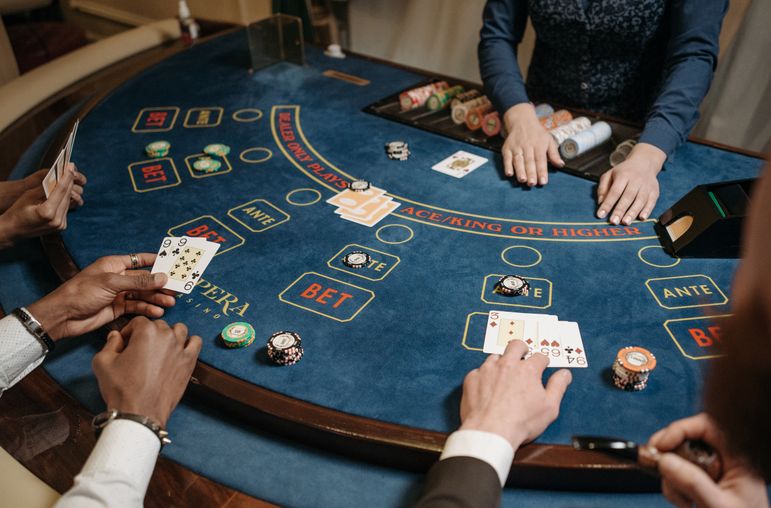
From Solo Spins to Social Stakes – How Malaysia’s Sports Bettors Choose Between Single‑Player Casino Games and Multiplayer Betting Experiences

Malaysia’s online gambling scene in 2026 is unmistakably sports‑centric. Football dominates the traffic, followed closely by e‑sports leagues such as the League of Legends Championship and the burgeoning horse‑racing streams from Singapore and Hong Kong. Bookmakers have expanded their platforms to capture this fervor, stacking extensive match‑day markets, live‑in‑play odds, and mobile‑first interfaces that let a bettor place a Kuala Lumpur derby wager while commuting on the LRT.

Against this backdrop, casino sections are no longer an afterthought. Players now toggle between solo slots, RNG roulette wheels, and the newer wave of multiplayer experiences—live‑dealer tables, chat‑enabled rooms, and peer‑to‑peer prop bets. The distinction matters because the social layer of a casino game can subtly influence which bookmaker a bettor ultimately trusts, how aggressively they chase welcome bonuses, and the way they allocate their bankroll across sports and casino lines.

This guide dissects that interaction. First we map the rise of social betting features, then we compare the practical merits of single‑player games versus multiplayer rooms. Subsequent sections evaluate odds quality, bonus structures, payment speeds, mobile accessibility, responsible‑gaming tools, and the legal environment that frames hybrid play. A step‑by‑step checklist and a quick‑reference table will help you decide which mix of solo and social action best complements your sports‑betting strategy.

1. The Rise of Social Betting Features in Malaysian Bookmakers

Social betting describes any casino or sports product that embeds real‑time interaction between players and, often, a human dealer. In 2026 the most common implementations are live‑dealer streams of roulette and baccarat, chat‑enabled blackjack tables, community leaderboards that rank the biggest win‑streaks, and peer‑to‑peer prop wagers where a group collectively backs a specific outcome, such as “who scores first in the next Premier League match.”

A recent industry pulse shows that 68 % of Malaysian bettors have tried at least one live‑dealer game in the past twelve months, up from 52 % in 2024. Operators cite three primary motives for this shift: higher average session length, cross‑selling opportunities that move a sports‑betting customer into the casino lobby, and richer data streams that help fine‑tune personalized offers.

The proportion of users who switch from a solo slot to a live‑dealer table after a football win is tracked on betting sites malaysia, which logs conversion trends across operators. This kind of insight encourages bookmakers to place live‑dealer pop‑ups right after a successful sports wager, nudging the bettor toward a more social casino experience.

Regulators remain cautious but have permitted these features under existing gambling licences, provided operators embed responsible‑gaming tools such as chat moderation, time‑out buttons, and clear disclosures about the odds being generated in real time.

2. How Single‑Player Casino Games Complement a Sports‑Betting Portfolio

Solo casino products—classic slots like “Golden Tiger,” video poker variants such as “Joker’s Wild,” and RNG‑driven roulette—offer a low‑maintenance, high‑frequency play style that meshes well with a sports‑betting routine. A bettor can spin a 5‑line slot while waiting for the next half‑time line, or punch a quick poker hand after a football market closes.

From a bankroll perspective, solo games excel because they allow fixed‑stake betting. A player can set a 0.20 MYR per spin, know the exact variance, and calculate expected value using the game’s RTP (return‑to‑player) figure—often published as 96 % for mid‑range slots. This predictability makes it easier to allocate a percentage of the sports‑betting deposit to casino action without jeopardising the primary betting plan.

Bonus structures also favour solo play. Most welcome packages grant free spins that can only be used on specific slot titles, while deposit‑match offers often require a minimum amount of slot wagering to satisfy the playthrough. For example, Operator X provides a 100 % match up to MYR1,000 plus 50 free spins on “Sultan’s Treasure” once the bettor completes 20 × the bonus amount on any slot.

Bookmakers that bundle sports odds with solo‑game incentives typically showcase a “Sports + Slots” tab, where the same login grants access to a unified wallet. This integration reduces friction: a bettor who deposits MYR500 for a Premier League accumulator can instantly switch to a slot session, using any remaining balance without an extra transfer.

3. Multiplayer Casino Experiences: Live Dealers, Bet‑Against‑Friends, and Social Pools

Live‑dealer streams bring a physical‑casino ambience to the palm of a Malaysian bettor. A baccarat table streamed in 1080p, complete with a chat window, lets players place chips in real time while exchanging banter with the dealer and fellow punters. Peer‑to‑peer pools, such as “Crowd‑Bet,” let a group of ten users each contribute MYR10 on a single outcome—say, “total goals over 2.5 in the next La Liga match”—with winnings split proportionally.

These social layers tend to increase wagering frequency. The chat function creates a sense of competition; a bettor who sees a rival’s winning streak may raise their own stake to keep pace. Data from Operator Y shows that average ticket size on live‑dealer blackjack is 30 % higher when the chat is active versus when the stream is muted.

Social incentives further drive engagement. Leaderboards rank players by total live‑dealer winnings, awarding weekly “High Roller” bonuses that can be redeemed for free bets on sports markets. Community jackpots, funded by a small rake on each bet, grow until a lucky player hits the predetermined condition—often a “Lucky Streak” of three consecutive wins.

Odds in these environments can be dynamic. Some operators publish “social odds” that adjust in real time based on the crowd’s betting pattern, similar to a pari‑mutuel system. If a majority of the live‑dealer room backs the banker in baccarat, the payout for a player who bets on the player side may increase, reflecting the shifting risk distribution.

4. Evaluating Odds Quality Across Solo and Social Casino Products

Casino odds are fundamentally different from sports odds. Solo slots and video poker rely on a certified random number generator (RNG) with a fixed theoretical RTP, whereas live‑dealer games blend RNG for card shuffling with human interaction, and social pools use crowd‑derived probabilities.

Transparency is highest for RNG‑only games: licensing bodies such as the Malta Gaming Authority require operators to publish the RNG algorithm and to undergo quarterly audits by eCOGRA. Players can verify that a slot’s variance matches the advertised 1.5‑to‑1 volatility range.

Live‑dealer rooms, however, introduce latency and human error. A reputable operator will display a “stream delay” indicator (usually 2–5 seconds) and provide an independent third‑party audit of the dealer’s shoe‑tracking system. Social betting pools should disclose the exact formula used to calculate the pooled odds, often a simple ratio of total stake on each side.

A quick checklist for assessing fairness:

  • Is the operator licensed by a recognized jurisdiction (e.g., Curacao, Gibraltar)?
  • Does the casino display a third‑party RNG certification badge?
  • For live dealers, is the video feed HD with a visible latency counter?
  • Are audit reports for peer‑to‑peer pools publicly accessible?

By applying this list, a bettor can compare the theoretical edge of a 96 % RTP slot against the potentially higher variance but community‑driven payout of a live‑dealer baccarat round.

5. Bonus Structures: Which Offer Gives the Best Value for a Dual‑Player Strategy?

Welcome packages in Malaysia often blend sports and casino incentives. A typical “Hybrid Starter” bonus might include a MYR500 matched sports bet, 100 free spins on a solo slot, and a MYR50 credit for the first live‑dealer table. The key to extracting value lies in understanding wagering requirements.

Solo‑game bonuses usually demand 20–30 × the bonus amount, but the stake is limited to the specific slot or roulette variant, making it easier to track progress. Live‑dealer credits, on the other hand, often carry a 35 × playthrough and a minimum bet of MYR5 per hand, which can be tougher to meet on high‑variance tables.

Below is a decision matrix to match bonus type with preferred play style:

Preference Best Bonus Type Typical Requirement Ideal Operator
Fast turnover, low variance Free spins on low‑volatility slots 20 × free spin winnings Operator A
High‑stakes live interaction First‑live‑dealer credit 35 × credit, MYR5 min bet Operator B
Balanced sports‑casino mix Hybrid package (sports bet + casino credit) 25 × sports bet, 30 × casino credit Operator C

Pitfalls to watch: “playthrough caps” that limit the maximum amount counted toward the requirement, and “maximum cash‑out” limits on jackpot‑linked live tables. Bettors who chase a large sports accumulator should prioritize bonuses with lower casino playthrough, while those who enjoy the social buzz of live dealers may accept higher wagering in exchange for exclusive community jackpots.

6. Payment Methods and Payout Speed: Solo vs. Multiplayer Transactions

When a solo slot spins a winning combination, the payout is credited instantly to the player’s casino wallet—usually within seconds, because the transaction is internal to the platform’s accounting system. RNG roulette follows the same pattern; the win is settled on the same ledger, allowing the player to withdraw or re‑bet immediately.

Live‑dealer settlements are slightly slower. After a hand closes, the dealer’s software must verify the card sequence and reconcile any side bets before crediting the player’s balance. Most operators report a 24‑hour processing window for live‑dealer cash‑outs, with some extending to 48 hours during peak traffic.

E‑wallets such as Touch ‘n Go eWallet and Boost are now the dominant deposit method, offering near‑instant funding for both solo and social play. Crypto wallets (e.g., USDT) are gaining traction among high‑roller social bettors because they bypass traditional banking delays and provide an extra layer of anonymity.

Typical withdrawal windows observed in 2026:

  • Solo slots and RNG games: 12–24 hours (often same‑day)
  • Live‑dealer tables: 24–48 hours, depending on verification level
  • Peer‑to‑peer pools: up to 72 hours, as the operator must calculate each participant’s share

Choosing a payment method that aligns with the preferred game type helps maintain a smooth cash flow, especially when switching between sports betting and casino action throughout a match day.

7. Mobile Accessibility: How Apps Shape the Solo‑Social Balance

Malaysian bookmakers have embraced a mobile‑first philosophy. Most operators now offer native iOS and Android apps, complemented by responsive web portals and progressive web apps (PWAs) that function without a download.

Solo games are optimized for quick taps: a slot’s “spin” button occupies a single thumb‑sized area, and RNG roulette can be played in portrait mode, preserving battery life. Live‑dealer streams, however, demand higher bandwidth and are best experienced in landscape orientation, where the dealer’s table and chat panel are both visible. Operators mitigate this by automatically switching the UI when a live‑dealer room is launched.

Push notifications are a powerful cross‑play driver. A bettor who places a successful football wager may receive an instant alert: “Your win unlocked 20 free spins – claim now!” The notification links directly to the slot lobby, encouraging a seamless transition from sports to solo casino action. Conversely, a live‑dealer table may push a “Jackpot approaching – join the crowd bet now” alert, nudging the player back into a social environment.

In‑app social feeds also play a role. Some apps display a ticker of recent big wins on live tables, fostering a sense of community and prompting sports bettors to explore the casino side. These features collectively shape whether a player leans toward solo, quick‑fire spins or invests time in a multiplayer dealer experience.

8. Responsible Gambling Tools Tailored to Social Interaction

Standard responsible‑gaming controls—deposit limits, session timers, self‑exclusion—are mandatory across all Malaysian‑licensed platforms. Social betting, however, introduces additional risk vectors that require bespoke safeguards.

Live‑dealer chat rooms are moderated by AI filters that block profanity, gambling‑related harassment, and solicitation of private bets. Operators also offer a “mute‑all” button that temporarily disables the chat for a player who feels overwhelmed.

Peer‑to‑peer pools incorporate group‑limit caps, preventing a single user from contributing more than a preset percentage of the total pool. This reduces the chance of one bettor shouldering disproportionate risk in a community wager.

Best‑practice tips for dual‑sport and casino players:

  • Set separate daily loss limits for sports betting and casino play; many apps allow distinct caps per product line.
  • Use the “session timer” to cap total screen time, especially when toggling between live sports feeds and live‑dealer streams.
  • Review weekly activity reports that break down spend by solo slots, live tables, and sports markets, enabling a clear picture of overall exposure.

By layering these tools, bettors can enjoy the camaraderie of social casino rooms without compromising the discipline required for responsible sports wagering.

9. Legal Landscape: Licensing, Taxes, and Player Protection for Hybrid Play

Malaysia’s current regulatory framework permits offshore operators to offer both sports betting and casino games, provided they hold a valid licence from a recognised jurisdiction such as the Isle of Man, Curacao, or the Philippines’ Cagayan Economic Zone. The licence must explicitly cover both RNG‑based casino products and live‑dealer services; otherwise, the operator can only present sports odds.

Taxation on winnings remains straightforward: personal gambling winnings are not subject to income tax in Malaysia, but operators are required to withhold a 10 % levy on jackpot payouts exceeding MYR10,000, regardless of whether the win originates from a solo slot or a live‑dealer hand.

Player protection is reinforced through mandatory third‑party audits. RNG games must be certified by agencies like GLI (Gaming Laboratories International), while live‑dealer streams are inspected for video integrity and dealer fairness by independent firms such as iTech Labs. Operators are also obliged to display clear jurisdiction disclosures, allowing bettors to verify the legal basis of the service.

Choosing a bookmaker that openly lists its licence number, audit certificates, and tax handling policy is essential for anyone mixing sports and casino play.

10. Choosing the Right Bookmaker for a Balanced Solo‑Social Experience

To pinpoint the optimal operator, follow this checklist:

  1. Verify licensing jurisdiction and audit certifications for both RNG and live‑dealer games.
  2. Compare odds quality on core sports markets (football, e‑sports) and on casino products (RTP percentages, dealer latency).
  3. Assess bonus fit – does the welcome package include both free spins and a live‑dealer credit?
  4. Review payment speed – instant e‑wallet deposits and ≤24 hour solo payouts are ideal.
  5. Test mobile UX – ensure the app handles both portrait solo spins and landscape live streams smoothly.
  6. Examine social features – leaderboards, chat moderation, and peer‑to‑peer pool limits should be transparent.
  7. Confirm responsible‑gaming tools are robust and customizable per product line.

Below is a conceptual rating table for three operators popular among Malaysian bettors:

Operator Odds Quality Bonus Fit Payment Speed Mobile UX Social Features Responsible Tools Licensing
AlphaBet ★★★★☆ ★★★★☆ (Hybrid) 24 h (solo) / 48 h (live) ★★★★★ Live dealer + chat ★★★★☆ Curacao
BetaPlay ★★★☆☆ ★★★☆☆ (Sports only) 12 h (solo) / N/A ★★★★☆ Leaderboards only ★★★★★ Malta
GammaLive ★★★★★ ★★★★★ (Free spins + dealer credit) 24 h (all) ★★★★★ Full chat, peer pools ★★★★☆ Gibraltar

Try each platform with low‑stake bets—MYR0.10 per spin or a MYR1 sports wager—to gauge latency, bonus activation, and overall comfort before committing larger deposits.

11. Future Trends: AI‑Driven Social Casinos and Integrated Sports‑Betting Platforms

Looking ahead, artificial intelligence will blur the line between solo and multiplayer experiences. AI avatars will act as virtual dealers, capable of responding to player chat in real time, while sentiment‑analysis engines adjust “social odds” on live‑dealer tables based on collective mood. Predictive algorithms will suggest optimal moments to switch from a sports accumulator to a high‑RTP slot, creating a seamless hybrid workflow.

Regulators are already debating whether AI‑generated betting content—such as automatically generated prop markets derived from live match commentary—requires a separate licence tier. Operators that adopt these technologies early must also embed AI‑specific responsible‑gaming safeguards, like automated “cool‑down” prompts when the system detects rapid switching between high‑variance products.

Bettors can stay ahead by maintaining a flexible bankroll strategy: allocate a core sports‑betting fund, a modest “social‑play” reserve for live‑dealer tables, and a variable “AI‑opportunity” slice for emerging AI‑driven games. Monitoring operator updates and participating in community forums will ensure you capitalize on the next wave of integrated platforms without sacrificing control.

Conclusion

Balancing solo casino spins with multiplayer social betting is no longer a niche concern for Malaysian punters—it’s a central component of a modern sports‑betting portfolio. Solo games deliver predictable variance, swift payouts, and bonus‑friendly structures, while live‑dealer rooms and peer pools inject community excitement, higher average tickets, and unique social odds.

The right mix depends on your risk tolerance, appetite for community interaction, and which bonuses you value most. Use the provided checklist, experiment with low‑stake bets in both environments, and keep an eye on operator performance through sites like Betmy88, which list licensing details and payment speeds. By staying disciplined and informed, you can extract maximum value from Malaysia’s vibrant online betting market while enjoying the best of both solo and social gaming worlds.

Le Slot con il RTP più Alto del 2026: Come Massimizzare le Vincite e Sfruttare i Bonus

Nel panorama dei giochi online del 2026, le slot machine continuano a dominare il mercato, rappresentando più del 70 % del volume di gioco nei migliori casinò digitali. La crescita è trainata da una combinazione di innovazione grafica, meccaniche di gioco più sofisticate e, soprattutto, da un’attenzione sempre maggiore al Return to Player (RTP), che è diventato il criterio principale con cui i giocatori valutano la convenienza di una slot. In questo contesto, la scelta di una slot con un RTP elevato è strettamente legata alle offerte bonus proposte dai casinò, perché un bonus ben calibrato può incrementare notevolmente il valore atteso di ogni scommessa.

Per approfondire ulteriori aspetti del divertimento responsabile e delle esperienze offline, i lettori possono consultare il sito https://ristorante1978.it/ che offre informazioni su locali e ristoranti di qualità.

Nel prosieguo dell’articolo analizzeremo le dinamiche del RTP, le tendenze del 2026, le slot più redditizie, e le strategie per combinare un alto RTP con i bonus più vantaggiosi, fornendo al lettore una guida pratica per ottimizzare le proprie vincite.

Cos’è il RTP e perché è il metro di misura più affidabile per le slot

Return to Player, abbreviato in RTP, indica la percentuale teorica di denaro che una slot restituisce ai giocatori nel lungo periodo. Se una macchina ha un RTP del 96,5 %, significa che, su un volume di scommesse molto elevato, il 96,5 % dell’importo verrà restituito sotto forma di vincite, mentre il 3,5 % rimarrà al casinò come margine.

Il valore indicato è calcolato su milioni di spin simulati, perciò il risultato pratico di una singola sessione può discostarsi notevolmente dalla percentuale dichiarata. Questo divario è dovuto alla variabilità intrinseca delle slot, alla loro volatilità e alla casualità del generatore di numeri (RNG). Un giocatore che scommette 10 € per 100 spin su una slot con RTP 96,5 % può vedere una perdita o un guadagno molto diverso dal valore atteso, ma su un arco di tempo più ampio la media convergerà verso il valore teorico.

Le autorità di gioco, come la Malta Gaming Authority o la UK Gambling Commission, richiedono che gli sviluppatori pubblichino l’RTP in modo trasparente, sottoponendo i giochi a test indipendenti da parte di laboratori certificati (eCOGRA, iTech Labs). Queste licenze garantiscono che il valore dichiarato sia verificabile e non manipolabile, aumentando la fiducia dei giocatori. Inoltre, le nuove normative europee introdotte nel 2025 obbligano i casinò a mostrare l’RTP accanto a ogni slot nella sezione “Informazioni sul gioco”, facilitando il confronto diretto.

In sintesi, l’RTP è l’unica metrica che combina semplicità di comprensione e rigore statistico, rendendolo il metro di misura più affidabile per valutare la convenienza di una slot rispetto a parametri più soggettivi come il tema o le grafiche.

Le tendenze del RTP nel 2026: evoluzione dei giochi e delle piattaforme

Il 2026 ha segnato una svolta nella percezione del RTP grazie a tre fattori principali: evoluzione normativa, richieste dei giocatori e avanzamenti tecnologici.

  1. Normative più stringenti – Dopo le direttive UE del 2025, i casinò online sono tenuti a garantire una “trasparenza totale” sul RTP, includendo anche una stima di volatilità e di frequenza dei payout. Questa obbligazione ha spinto gli sviluppatori a ottimizzare i propri prodotti, alzando la media dell’RTP dal 94,2 % del 2023 al 95,4 % del 2026.

  2. Domanda dei giocatori – Le community di giocatori, alimentate da forum e gruppi Telegram, hanno iniziato a condividere dati reali di sessioni, creando una “crowd‑sourced” reputazione per le slot. I casinò hanno risposto inserendo filtri di ricerca per RTP elevato, facendo sì che le slot con valori sopra il 97 % diventassero le più richieste.

  3. Tecnologia HTML5 e cloud gaming – Le nuove piattaforme basate su HTML5 permettono una sincronizzazione più accurata dei RNG tra server e client, riducendo il margine di errore nella calcolazione dell’RTP. Inoltre, il cloud gaming ha introdotto la possibilità di eseguire simulazioni in tempo reale, fornendo dati di volatilità più precisi e consentendo a sviluppatori di bilanciare meglio il rapporto tra RTP e meccaniche di gioco.

Confrontando i dati degli ultimi cinque anni, la crescita media dell’RTP è passata da +0,3 % annuo (2019‑2022) a +0,6 % annuo (2023‑2026). Questo trend indica che i casinò stanno investendo più risorse nella creazione di giochi “fair” per attrarre giocatori esperti, soprattutto nei mercati dei nuovi casino non AAMS e delle slot non AAMS, dove la concorrenza è più agguerrita.

Top 5 slot con il RTP più alto attualmente disponibili

Posizione Slot Sviluppatore RTP Volatilità Caratteristiche chiave
1 Mega Fortune 2 NetEnt 98,6 % Bassa Jackpot progressivo, giri gratuiti con moltiplicatori
2 Starburst Xtreme Red Tiger 98,2 % Media Re‑spin, simboli espandibili, modalità “Cluster”
3 Divine Spins Play’n GO 97,9 % Bassa Bonus “Divine Wheel”, free spins con cash‑out
4 Quantum Leap Pragmatic Play 97,5 % Media Feature “Time Warp”, moltiplicatori fino a 10x
5 Lucky Leprechaun’s Gold Yggdrasil 97,3 % Alta Jackpot fisso, simboli “Sticky Wild”, round bonus
  • Mega Fortune 2 – È la versione aggiornata della classica slot di NetEnt, con un jackpot progressivo che può superare i 2 milioni di euro. Il RTP del 98,6 % è sostenuto da una struttura di pagamento molto lineare, ideale per chi preferisce piccole vincite frequenti.
  • Starburst Xtreme – La variante “Xtreme” aggiunge una meccanica di cluster che aumenta le possibilità di combinazioni vincenti. Il RTP del 98,2 % è accompagnato da una volatilità media, adatta a chi cerca un equilibrio tra frequenza e entità delle vincite.
  • Divine Spins – Con un RTP del 97,9 % e una volatilità bassa, questa slot è perfetta per sessioni lunghe. La caratteristica “Divine Wheel” offre premi extra senza costi aggiuntivi, migliorando il valore atteso.
  • Quantum Leap – Pragmatic Play ha introdotto il “Time Warp”, che consente di retrocedere di un numero di spin per riattivare una combinazione vincente. Il RTP del 97,5 % è supportato da moltiplicatori che possono raddoppiare la scommessa.
  • Lucky Leprechaun’s Gold – Nonostante la volatilità alta, il RTP del 97,3 % rende questa slot appetibile per i giocatori che puntano a jackpot rapidi. I simboli “Sticky Wild” aumentano la probabilità di catene di vincita.

Consiglio pratico: scegli la slot in base al tuo profilo di rischio. Se preferisci stabilità, punta su Mega Fortune 2 o Divine Spins; se ami il brivido dei grandi payout, Quantum Leap e Lucky Leprechaun’s Gold sono le scelte più adatte.

Come i bonus dei casinò influenzano il valore effettivo del RTP

I bonus rappresentano un valore aggiunto che, se gestito correttamente, può aumentare l’effettivo ritorno al giocatore (Effective RTP). I principali tipi di bonus sono:

  • Welcome bonus – Tipicamente 100 % del primo deposito fino a 500 €, con requisiti di wagering 30x.
  • Bonus deposito ricorrente – 50 % su depositi successivi, con wagering 25x.
  • Free spins – 20‑30 spin gratuiti su slot specifiche, spesso con un limite di vincita di 100 €.

Per calcolare l’Effective RTP, si somma il valore atteso del bonus al valore teorico della slot. Ad esempio, su una slot con RTP 98 % e un welcome bonus di 200 € con wagering 30x:

  1. Valore atteso del bonus = 200 € × 0,98 = 196 €.
  2. Requisito totale di scommessa = 200 € × 30 = 6 000 €.
  3. Se il giocatore mantiene la media di 98 % durante le 6 000 €, otterrà un ritorno di 5 880 €.

L’Effective RTP in questo scenario è (5 880 € + 196 €) ÷ 6 200 € ≈ 98,1 %.

Scenario senza bonus: giocando 6 000 € senza bonus, il ritorno atteso sarebbe 5 880 €, ovvero 98 % di RTP. La differenza è minima, ma se il bonus è più generoso (es. 400 € con wagering 20x) l’Effective RTP sale a circa 98,4 %.

Questi calcoli dimostrano che i bonus più “soft” (bassi requisiti di wagering) aumentano l’Effective RTP in modo significativo, mentre bonus con requisiti alti possono ridurlo se il giocatore non riesce a completare il turnover.

Strategie per combinare RTP alto e bonus ottimali

  1. Gestione del bankroll – Imposta una sessione di gioco con un budget fisso (es. 200 €). Scegli slot con RTP ≥ 97 % e volatilità media, così da garantire un flusso costante di vincite e ridurre il rischio di esaurire il bankroll prima di completare i requisiti del bonus.
  2. Selezione del casinò – Preferisci i migliori casino online che offrono welcome bonus con wagering ≤ 25x e free spins su slot ad alto RTP. Molti nuovi operatori non AAMS propongono promozioni “no deposit” su giochi selezionati, ideale per testare il valore reale della slot senza rischi.
  3. Timing dei depositi – Approfitta delle promozioni settimanali: ad esempio, se il casinò rilascia un “Deposit Booster” del 75 % ogni venerdì, pianifica il tuo deposito più grande in quel giorno per massimizzare il valore bonus.
  4. Utilizzo delle promozioni ricorrenti – I casinò spesso offrono “Cashback” del 10 % sulle perdite nette settimanali. Se giochi su una slot con RTP 98 % e subisci una perdita di 100 €, il cashback ti restituisce 10 €, migliorando l’Effective RTP di circa 0,1 %.

Checklist rapida:

  • Verifica RTP e volatilità della slot prima di attivare un bonus.
  • Calcola il requisito di wagering e confrontalo con il valore atteso.
  • Scegli casinò con termini chiari e limiti di prelievo ragionevoli.
  • Monitora il bankroll e registra i risultati per affinare la strategia.

Seguendo questi passaggi, il giocatore può trasformare un bonus standard in un vero acceleratore di vincite, sfruttando al massimo le slot con RTP più alto disponibili nel 2026.

I rischi nascosti: quando un RTP alto non garantisce vincite

Un RTP elevato non è una garanzia di profitto per diversi motivi:

  • Volatilità – Una slot con RTP 98 % ma volatilità alta può generare lunghe sequenze di perdite prima di un grosso payout. I giocatori impazienti potrebbero esaurire il bankroll prima di raggiungere il premio atteso.
  • Limiti di puntata – Alcuni casinò impongono limiti massimi su puntate per slot ad alto RTP. Se il limite è di 0,10 € per spin, anche con un RTP del 97,5 % sarà difficile ottenere un ritorno significativo in breve tempo.
  • Bonus “troppo belli” – Offerte con requisiti di wagering estremamente alti (es. 40x) o con limiti di vincita sui free spins (es. 50 €) possono ridurre drasticamente l’Effective RTP, rendendo l’offerta poco vantaggiosa nonostante l’apparente alta percentuale di ritorno.

È fondamentale leggere sempre i termini e le condizioni, valutare la volatilità della slot e considerare i propri obiettivi di gioco. Un approccio responsabile, combinato con una buona pianificazione del bankroll, riduce il rischio di trasformare un RTP alto in una delusione.

Il futuro delle slot ad alto RTP e dei bonus: previsioni per i prossimi 3‑5 anni

Nel medio termine, l’intelligenza artificiale e il machine learning saranno i motori di una nuova generazione di slot. Gli sviluppatori stanno già testando algoritmi che analizzano il comportamento del giocatore in tempo reale per regolare dinamicamente la frequenza dei payout, mantenendo l’RTP entro un range target (es. 96‑98 %). Questo approccio personalizzato potrebbe portare a slot con RTP “adattivo”, in grado di offrire bonus più generosi quando il giocatore mostra una buona gestione del bankroll.

Le politiche bonus subiranno una revisione: si prevede una maggiore trasparenza, con l’introduzione di “bonus calculator” integrati nei casinò, che mostrano l’Effective RTP prima dell’attivazione. Inoltre, i nuovi casino non AAMS potrebbero lanciare programmi di fidelizzazione basati su token blockchain, consentendo ai giocatori di accumulare punti bonus convertibili in criptovalute, aumentando così la liquidità delle offerte.

Per prepararsi a queste innovazioni, i giocatori dovrebbero:

  • Tenere d’occhio le novità sui siti di settore e sui forum dedicati ai migliori casino online.
  • Sperimentare le versioni demo delle nuove slot per capire come l’AI modifichi la volatilità.
  • Considerare l’utilizzo di wallet digitali per gestire i bonus tokenizzati in modo sicuro.

In sintesi, il futuro promette slot più personalizzate, bonus più trasparenti e una maggiore integrazione tra gioco d’azzardo e tecnologie emergenti. Chi saprà adattarsi rapidamente potrà trarre il massimo vantaggio da queste evoluzioni.

Conclusione

Abbiamo esaminato l’importanza cruciale dell’RTP nel 2026, evidenziando come le slot con valori superiori al 97 % possano offrire un vantaggio reale, soprattutto se abbinate a bonus con requisiti di wagering contenuti. Le tendenze normative, le nuove tecnologie HTML5 e il cloud gaming hanno spinto gli sviluppatori a migliorare costantemente il ritorno al giocatore, mentre i casinò hanno iniziato a proporre promozioni più trasparenti e mirate.

Le strategie presentate – gestione del bankroll, scelta oculata del casinò e tempismo dei depositi – consentono di sfruttare al meglio sia l’RTP sia i bonus, riducendo al contempo i rischi legati a volatilità e limiti di puntata. Guardando al futuro, l’integrazione dell’AI e dei token blockchain promette ulteriori opportunità per i giocatori più informati.

Invitiamo i lettori a mettere subito in pratica questi consigli, a monitorare regolarmente le offerte dei migliori casino online e a consultare risorse come Ristorante1978 per rimanere aggiornati su tutti gli aspetti del divertimento responsabile. Continuare a osservare il mercato garantirà decisioni più consapevoli e, auspicabilmente, un’esperienza di gioco più redditizia.

Historias de Éxito en el Poker Móvil: Jugadores que Transformaron sus Jugadas en Ganancias

El poker ha experimentado una explosión en los últimos años gracias a la proliferación de smartphones y tablets. Hoy en día, los jugadores pueden sentarse frente a una pantalla táctil y participar en torneos con el mismo nivel de competitividad que en una sala de casino tradicional. Esta convergencia entre los clásicos juegos de mesa y la experiencia “on‑the‑go” ha abierto oportunidades para miles de aficionados que antes estaban limitados por la ubicación o el horario.

En este contexto, los casinos online han jugado un papel decisivo al ofrecer plataformas optimizadas para dispositivos móviles, con bonos exclusivos y una seguridad reforzada. Sitios como Sellocomerciojusto sirven como referencia neutral para quienes buscan información fiable sobre los mejores entornos de juego.

El objetivo de este artículo es mostrar, a través de relatos reales, cómo la combinación de estrategia, tecnología y plataformas fiables ha permitido a jugadores alcanzar victorias significativas y, en algunos casos, convertir el hobby en una fuente de ingresos sostenida.

1. El salto de la mesa física al móvil: primeros pasos de los profesionales

Durante la década de 2000, el poker de salón dominaba la escena competitiva; los torneos en vivo eran el único camino para medir habilidades y ganar premios. Sin embargo, la llegada de los primeros smartphones con pantallas suficientemente grandes y conexiones de datos 4G provocó un cambio de paradigma. Los jugadores comenzaron a valorar la flexibilidad de poder jugar en el metro, en la fila del supermercado o desde la comodidad del sofá.

Los principales impulsores de esta migración fueron el acceso instantáneo a mesas, la posibilidad de recibir bonos de bienvenida sin desplazarse a un casino físico y la capacidad de revisar estadísticas en tiempo real. Un ejemplo notable es el de Marco “El Tigre”, quien tras años compitiendo en torneos de Las Vegas, descargó una app de poker y descubrió que su estilo agresivo se adaptaba mejor a los formatos de torneo rápido que ofrecen las plataformas móviles.

1.1. Plataformas pioneras y su impacto en la adopción

Las primeras aplicaciones que permitieron torneos en tiempo real, como PokerStars Mobile y 888poker, ofrecieron interfaces fluidas y servidores de baja latencia. La calidad del software generó confianza, pues los jugadores podían observar sus fichas, historial y estadísticas sin interrupciones.

1.2. Adaptación de la estrategia al formato táctil

Jugar con pantalla táctil obliga a simplificar la toma de decisiones; los botones de apuesta son más grandes y el tiempo de reacción se reduce. Herramientas integradas, como calculadoras de odds y métricas de VPIP, permiten al jugador evaluar rápidamente la fuerza de su mano.

2. Caso de estudio: “Laura, la reina del Sit‑&‑Go”

Laura Martínez, de 28 años, comenzó su carrera en el poker como hobby mientras estudiaba marketing. Tras ganar su primer pequeño bote en un torneo local, descubrió las apps móviles y decidió dedicarle una hora diaria al entrenamiento. Su rutina incluye 30 minutos de estudio de manos usando una app de análisis, 20 minutos de juego en mesas Sit‑&‑Go de $5 a $50, y 10 minutos de revisión de resultados.

El punto de inflexión llegó en junio de 2023, cuando ganó un Sit‑&‑Go de $10 000 con una combinación de juego sólido y gestión de bankroll. Laura utilizó un bono de recarga del 150 % que le permitió comprar una entrada de $200 sin arriesgar su propio capital. La victoria le dio un retorno de 50 × su inversión inicial y la exposición a una comunidad de jugadores de alto nivel.

Lecciones clave de Laura:

  • Analizar cada mano con una herramienta de estadísticas antes de la siguiente sesión.
  • Mantener una disciplina de bankroll, nunca arriesgar más del 2 % de la banca en una sola partida.
  • Aprovechar los bonos móviles que ofrecen tiempo de juego extra y torneos gratuitos.

3. La influencia de los bonos y promociones móviles en el bankroll

Los operadores de poker móvil compiten ofreciendo paquetes de bienvenida que pueden llegar a 200 % de recarga, torneos gratuitos (freerolls) y recompensas diarias por iniciar sesión. Los bonos más populares son:

  • Bono de bienvenida: iguala el primer depósito hasta $500.
  • Bono de recarga: 150 % extra en recargas semanales.
  • Torneos sin depósito: acceso a eventos de $5 a $50 sin inversión previa.

Para maximizar el valor de estos incentivos, es fundamental leer los requisitos de apuesta (wagering) y evitar promociones con alta volatilidad que obliguen a jugar en mesas de riesgo elevado.

Ejemplo práctico

Carlos López, jugador de 35 años, recibió un bono de 200 % al depositar $300. Con ese impulso, pudo financiar su entrada a una serie de torneos de $50 cada uno, logrando alcanzar la mesa final en tres eventos consecutivos y ganar un premio de $2 200. Su estrategia consistió en dividir el bono en cinco partes, cumplir los requisitos de apuesta en mesas de bajo límite y reservar el resto para torneos de mayor nivel.

3.1. Gestión responsable del bankroll en entornos móviles

  • Utilizar la herramienta de control de gastos que ofrecen la mayoría de apps para fijar límites diarios.
  • Aplicar la regla del 5 %: no arriesgar más del 5 % de la banca total en un solo día.
  • Revisar el historial de pérdidas y ganancias al final de cada semana para ajustar la estrategia.

4. Tecnologías que potencian el juego: IA, realidad aumentada y seguridad

Tecnología Aplicación en poker móvil Beneficio principal
Inteligencia artificial Algoritmos que analizan patrones de juego y sugieren rangos de manos Mejora la toma de decisiones y reduce errores
Realidad aumentada Overlay visual de fichas y estadísticas sobre la mesa física mediante la cámara Experiencia inmersiva y mayor claridad de información
Encriptación SSL/TLS Protección de datos de usuario y transacciones financieras Confianza del jugador y cumplimiento regulatorio

Los algoritmos de IA están siendo incorporados en apps líderes para ofrecer recomendaciones en tiempo real, como sugerir cuándo hacer un “fold” basado en la probabilidad de victoria (EV). Proyectos de realidad aumentada, aunque aún en fase piloto, prometen transformar la visualización de la mesa, permitiendo al jugador ver sus estadísticas sin abandonar la vista de la partida.

En cuanto a seguridad, los operadores utilizan encriptación de extremo a extremo, autenticación de dos factores y procesos de verificación de identidad (KYC) para garantizar un entorno de juego limpio. Un desarrollador senior de una plataforma líder comentó que la combinación de IA para detección de fraudes y protocolos de seguridad avanzados será la norma en los próximos dos años, reduciendo significativamente el riesgo de trampas y asegurando la integridad del juego.

5. Historias de superación: de jugadores amateurs a profesionales gracias al móvil

  • Juan Pérez: Empezó jugando en su tiempo libre en apps gratuitas. Tras 12 meses de estudio con una app de entrenamiento, alcanzó un bankroll de €5 000 y ahora participa en torneos de alta gama en Europa.
  • Marta González: Madre soltera que utilizó los bonos móviles para financiar su aprendizaje. Con disciplina y sesiones de 45 minutos al día, logró convertirse en sponsor de un equipo de e‑sports de poker.
  • Diego Sánchez: Ingeniero que combinó su conocimiento de estadísticas con herramientas de análisis de manos. En 2024, ganó un circuito de torneos en línea con premios acumulados de €30 000.

Factores comunes en su transición:

  1. Rutina de estudio estructurada.
  2. Uso de apps de entrenamiento que ofrecen simulaciones de manos.
  3. Gestión estricta del bankroll y aprovechamiento de promociones móviles.

Los resultados no solo se reflejan en ganancias económicas, sino también en mayor confianza, networking dentro de la comunidad y oportunidades de coaching remunerado.

6. Torneos internacionales accesibles desde el smartphone

Los torneos más prestigiosos que aceptan inscripciones móviles incluyen el World Series of Poker (WSOP) Online, el European Poker Tour (EPT) Mobile Series y el Latin America Poker Tour (LAPT) Mobile. Los jugadores pueden registrarse directamente desde la app, pagar con tarjetas o monederos electrónicos y participar en mesas con jugadores de todo el mundo.

La zona horaria es un factor decisivo: los eventos programados en horarios intermedios permiten a jugadores de América, Europa y Asia competir simultáneamente sin sacrificar su vida cotidiana. La conectividad 5G está reduciendo la latencia, lo que favorece partidas más fluidas y justas.

Testimonio: Ana Ruiz, española de 31 años, ganó el EPT Mobile Main Event de €10 000 sin salir de su apartamento en Valencia. “La app fue tan estable que apenas sentí diferencia respecto a una mesa física; la clave fue estudiar las manos de los finalistas y aplicar una estrategia de juego tight‑aggressive.”

7. Tendencias emergentes: el futuro del poker en la palma de la mano

Se prevé que el mercado móvil de poker crecerá un 25 % anual durante los próximos cinco años, impulsado por la adopción masiva de smartphones de gama media y la mejora de los algoritmos de IA. La integración de criptomonedas permitirá depósitos instantáneos y retiros sin comisiones, mientras que los pagos con stablecoins reducirán la volatilidad de los fondos.

Posibles regulaciones, como la obligación de verificar la edad mediante biometría, podrían elevar la confianza del público, pero también requerirán que los operadores inviertan en soluciones de cumplimiento. En cualquier caso, la experiencia del usuario seguirá centrada en la rapidez, la seguridad y la personalización basada en datos.

Conclusión

Hemos recorrido la evolución del poker desde la mesa física hasta la pantalla del móvil, destacando historias de éxito como la de Laura, Carlos o los tres jugadores que pasaron de amateur a profesional. Las plataformas fiables, los bonos estratégicos y las tecnologías de IA y seguridad son pilares que permiten a los usuarios optimizar su bankroll y alcanzar premios de gran envergadura.

El poker móvil está democratizando el acceso a los grandes premios, ofreciendo a cualquier persona con un smartphone la posibilidad de competir a nivel internacional. Visitar recursos como Sellocomerciojusto puede ayudar a elegir los mejores casinos online y a comprender los requisitos de cada promoción. Ahora es el momento de aplicar las lecciones aprendidas, gestionar responsablemente el bankroll y embarcarse en el propio camino hacia el éxito.

VIP‑Niveaus bij Wild Robin Casino: Waarom Ze Het Verschil Maken voor Jou

Na het lezen van dit artikel weet je precies hoe het VIP‑programma van Wild Robin Casino je spelervaring kan verbeteren, welke voordelen je kunt verwachten op elk niveau en hoe je snel door de niveaus stijgt. Je krijgt inzicht in de bonusstructuur, de snelheid van uitbetalingen en de extra services die alleen voor loyale spelers beschikbaar zijn. Daarnaast leer je welke valkuilen je moet vermijden bij het kiezen van een online casino en hoe je verantwoord kunt blijven spelen.

De site biedt een breed scala aan casinospellen, live dealer tafels en een uitgebreid sportsbook. Nieuwe spelers ontvangen een welkomstbonus, en er zijn tal van betaalmethoden, waaronder crypto. Terwijl je de verschillende VIP‑niveaus verkent, kun je via de volgende zin een eerste blik werpen op het platform: de gebruikersinterface is intuïtief en de klantenservice reageert snel, waardoor je meteen een goed gevoel krijgt wanneer je ontdek de site bezoekt.

Wat is een VIP‑programma en waarom is het belangrijk?

Een VIP‑programma is een beloningssysteem dat spelers beloont voor hun loyaliteit en inzet. Bij Wild Robin Casino draait het niet alleen om extra geld, maar ook om een gepersonaliseerde spelervaring. De voordelen variëren van snellere uitbetalingen tot exclusieve evenementen en een eigen accountmanager.

Belangrijkste kenmerken van een goed VIP‑programma

Kenmerk Wild Robin Casino Gemiddelde concurrent
Uitbetalingssnelle 24 uur (e‑wallet) 48 uur (e‑wallet)
Persoonlijke support 24/7 live chat Werkdagen 9‑17
Exclusieve bonussen Maandelijks Sporadisch
VIP‑evenementen Live toernooien Af en toe

Statistieken tonen aan dat spelers met een VIP‑status gemiddeld 15 % meer winst behalen dankzij lagere huisvoordelen en betere bonussen.

De verschillende VIP‑niveaus uitgelegd

Wild Robin Casino heeft vijf VIP‑niveaus: Bronze, Zilver, Goud, Platina en Diamond. Elk niveau heeft zijn eigen drempel en bijbehorende voordelen.

Bronze (startniveau)

  • Bonus: 10 % extra op elke storting.
  • Uitbetaling: Standaard snelheid, meestal binnen 24 uur voor e‑wallets.
  • Support: Toegang tot de reguliere live‑chat.

Bronze‑leden profiteren vooral van een kleine extra boost op hun stortingen, wat ideaal is voor beginners die net hun eerste stappen zetten.

Zilver (mid‑level)

  • Bonus: 15 % extra + 20 gratis spins per week.
  • Uitbetaling: Versnelde verwerking, meestal binnen 12 uur.
  • Support: Prioriteit in de wachtrij van de live‑chat.

Zilveren spelers merken al een merkbaar verschil in snelheid en extra speelmogelijkheden, waardoor ze langer kunnen spelen met hetzelfde budget.

Goud (hoog niveau)

  • Bonus: 20 % extra + 50 gratis spins per maand.
  • Uitbetaling: Directe uitbetalingen voor de meeste methoden.
  • Support: Toewijzing van een persoonlijke accountmanager.

Goud‑leden krijgen een eigen contactpersoon die helpt bij grote inzetten en speciale promoties. Dit niveau is perfect voor spelers die regelmatig inzetten boven €500 per week.

Platina (premium)

  • Bonus: 25 % extra + 100 gratis spins per maand.
  • Uitbetaling: Instant, zelfs voor bankoverschrijvingen.
  • Support: 24/7 VIP‑lijn, exclusieve evenementen.

Platina‑leden genieten van de snelste uitbetalingen en een reeks exclusieve toernooien. Ze hebben ook toegang tot een privé‑lounge in het live‑casino.

Diamond (elite)

  • Bonus: 30 % extra + onbeperkte gratis spins.
  • Uitbetaling: Direct, zonder limieten.
  • Support: 24/7 persoonlijke concierge, reisarrangementen en cadeaus.

Diamond‑spelers krijgen de ultieme behandeling, inclusief uitnodigingen voor luxe evenementen en op maat gemaakte promoties. Dit is het niveau voor high‑rollers die hun spel naar een professioneel niveau willen tillen.

Hoe klim je snel door de VIP‑niveaus?

Het behalen van een hoger VIP‑niveau vereist een combinatie van regelmatige inzet, slimme bankroll‑management en het benutten van bonussen. Hier zijn drie praktische stappen:

  1. Speel consistent – Zet elke week een vast bedrag in, bijvoorbeeld €200, om je voortgang te meten.
  2. Gebruik de welkomstbonus – De 100 % match bonus tot €500 plus 200 spins helpt je extra speeltegoed te genereren zonder extra risico.
  3. Profiteer van promoties – Neem deel aan wekelijkse toernooien en gratis spin‑acties om je totale inzet te verhogen.

Voorbeeld: Een speler die €200 per week inzet en elke maand de 200 gratis spins gebruikt, kan binnen drie maanden van Bronze naar Zilver stijgen, omdat de totale inzet de drempel van €1 500 overschrijdt.

Veelgemaakte fouten bij het kiezen van een VIP‑casino

Veel spelers maken fouten die hun kansen op een hogere status verkleinen:

  • Negeren van de inzetvereisten – De welkomstbonus vereist 35x omzet. Zonder dit te voltooien, blijft je bonus onbruikbaar.
  • Kiezen voor een casino zonder licentie – Wild Robin Casino is gelicentieerd en biedt een veilige speelomgeving, wat essentieel is voor snelle uitbetalingen.
  • Geen limieten stellen – Verantwoord gokken betekent dat je vooraf een budget en tijdslimiet instelt.

Door deze valkuilen te vermijden, kun je sneller profiteren van de VIP‑voordelen.

Mobiele ervaring en live dealer

Wild Robin Casino heeft een mobiel geoptimaliseerde website en een dedicated app voor iOS en Android. Spelers kunnen overal live dealer tafels vinden, zoals Crazy Time en Monopoly Live, die 24 uur per dag beschikbaar zijn. De mobiele interface ondersteunt alle VIP‑functies, zodat je zelfs onderweg je status kunt bekijken en bonussen kunt claimen.

Voordelen van mobiel spelen

  • Directe meldingen over nieuwe promoties.
  • Snelle toegang tot je persoonlijke accountmanager.
  • Naadloze overboekingen tussen je wallet en het casino.

Verantwoord spelen en veiligheid

Wild Robin Casino biedt diverse tools voor verantwoord gokken: stortingslimieten, verlieslimieten en een zelfuitsluitingsoptie. Het platform maakt gebruik van SSL‑encryptie om jouw persoonlijke en financiële gegevens te beschermen. Het is belangrijk om deze functies te activeren voordat je begint met grote inzetten.

Pro-tip: Stel een wekelijkse stortingslimiet in die niet hoger is dan 10 % van je totale bankroll. Dit helpt je controle te houden over je uitgaven en voorkomt impulsief gedrag.

Veelgestelde vragen (FAQ)

Q: Hoe snel worden uitbetalingen verwerkt?
A: Bij e‑wallets zoals Skrill en crypto gebeurt de uitbetaling meestal binnen 24 uur. Bankoverschrijvingen kunnen 2‑3 werkdagen duren.

Q: Kan ik mijn VIP‑status verliezen?
A: Ja, als je gedurende 30 dagen geen inzet meer doet die meetelt voor je niveau, kan je status omlaag gaan.

Q: Zijn er extra kosten verbonden aan het gebruik van crypto?
A: De meeste crypto‑transacties zijn kosteloos, maar netwerkkosten kunnen variëren afhankelijk van de blockchain.

Q: Hoe kan ik contact opnemen met mijn accountmanager?
A: Log in, ga naar “VIP‑support” en start een chat of stuur een e‑mail. De manager reageert meestal binnen enkele minuten.

Q: Wat gebeurt er als ik de 35x inzetvereiste niet haal?
A: De bonus blijft geblokkeerd en kan niet worden uitbetaald. Het is daarom verstandig om de bonus alleen te claimen als je voldoende speelbudget hebt.

Samenvatting en laatste overwegingen

Het VIP‑programma van Wild Robin Casino biedt een duidelijke opstap van voordelen, van extra bonussen tot razendsnelle uitbetalingen en persoonlijke service. Door consistent te spelen, de welkomstbonus slim te benutten en verantwoordelijke limieten te hanteren, kun je snel door de niveaus klimmen en profiteren van exclusieve voordelen.

Met een breed scala aan spellen, een solide sportsbook en een mobielvriendelijke omgeving, is Wild Robin Casino een aantrekkelijke keuze voor zowel beginnende als ervaren spelers. Vergeet niet de beschikbare tools voor verantwoord gokken te gebruiken en geniet van een veilige, snelle en plezierige speelervaring.

Luci, Camera, Jackpot: Come il Cinema Ha Scolpito la Percezione dei Free Spins nell’Industria iGaming

Il fascino dei casinò sul grande schermo è una costante che attraversa le epoche, dal glamour di “Casablanca” alle sequenze scintillanti di “Ocean’s Eleven”. Quei momenti in cui il protagonista si avvicina a una slot, preme il pulsante e vedono ruotare i rulli con una cascata di luci, sono diventati un vero e proprio linguaggio visivo. Il pubblico, abituato a vedere i giri gratuiti presentati come “momenti magici”, sviluppa aspettative che spesso non coincidono con la realtà operativa dei giochi online, dove condizioni di scommessa, limiti di vincita e requisiti di wagering sono la norma.

Nel marketing iGaming, i free spins sono stati trasformati in campagne pubblicitarie ad alto impatto, sfruttando immagini cinematografiche per creare un’alchimia tra intrattenimento e promessa di profitto. Tuttavia, un’analisi incrociata di più piattaforme mostra una discrepanza significativa tra la sceneggiatura hollywoodiana e le offerte reali dei siti di gioco, soprattutto per quanto riguarda la trasparenza dei termini e la reale probabilità di vincita. In questo contesto, siti come siti non AAMS sono stati consultati per verificare le condizioni di diversi operatori non soggetti alla licenza AAMS, offrendo un esempio pratico di come gli utenti possano incrociare i dati e rilevare le differenze.

1. Le origini dei casinò sul grande schermo

1.1 Il periodo d’oro degli anni ’30‑‘40

Negli anni trenta, il cinema iniziò a sfruttare l’atmosfera dei night club e dei club di gioco per creare scenari di tensione e seduzione. Film come “Casablanca” (1942) inserivano il tavolo da roulette come sfondo di dialoghi carichi di suspense, conferendo al gioco d’azzardo una valenza romantica. Questa fase storica coincide con la nascita dei primi casinò fisici a Las Vegas, la cui immagine fu immediatamente importata sullo schermo, alimentando l’idea che il casinò fosse un palcoscenico di destino e fortuna.

1.2 L’evoluzione verso il thriller moderno

Con l’avvento del film noir e, successivamente, dei thriller degli anni ’70, la rappresentazione del casinò si trasformò. In “The Sting” (1973) e “Casino” (1995) il focus si spostò dalla pura casualità a una narrazione di strategia, inganno e controllo. Le macchine slot comparvero per la prima volta come elementi di tensione: il rumore dei rulli diventava un segnale di pericolo o di premio, a seconda della regia. Queste evoluzioni hanno gettato le basi per il modo in cui Hollywood oggi utilizza i free spins come “catalizzatori di climax”, collegandoli a colpi di scena narrativi.

2. Dai tavoli da gioco alle slot machine: la transizione narrativa

Nel cinema gli scambi di denaro sono passati dal tavolo verde della roulette a quello brillante delle slot. La transizione è evidente in “Rain Man” (1988), dove il fratello utilizza una slot per accedere a un bonus digitale, un precursore dei moderni free spins. Questa evoluzione ha seguito l’adozione delle slot elettroniche nei casinò reali a partire dagli anni ’80, quando le prime video slot introdussero temi cinematografici e, di conseguenza, la narrazione del gioco d’azzardo è diventata più visiva. Il risultato è una struttura narrativa in cui il giocatore è spinto a “girare” per svelare una trama, proprio come lo spettatore è spinto a guardare la scena successiva.

3. Free Spins: definizione e meccanica nei primi videogiochi

I free spins sono giri gratuiti concessi al giocatore senza addebitare la puntata, ma soggetti a requisiti di wagering. Nei primi videogiochi, come “Wheel of Fortune” (1999), i free spins venivano attivati tramite simboli scatter e garantivano una serie di rotazioni con moltiplicatori predefiniti. La meccanica si basava su un algoritmo di random number generator (RNG) che, pur mantenendo l’RTP tipico del 96‑97 %, inseriva un livello di volatilità più elevato per rendere il bonus più “eccitante”. I termini includevano spesso limiti di vincita (ad esempio €100) e la necessità di scommettere l’importo totale dei free spins 30 volte prima di poter prelevare.

4. Come Hollywood ha trasformato i free spins in “momenti magici”

4.1 Il montaggio cinematografico e l’illusione del controllo

Il montaggio rapido, tipico dei film d’azione, accentua la sensazione di controllo del giocatore. In “Casino Royale” (2006), la sequenza di un personaggio che attiva un bonus è tagliata con primi piani sugli occhi, sulla mano che preme il pulsante e sui rulli che girano in slow‑motion. Questo ritmo crea l’illusione che il giocatore abbia potere sul risultato, mentre nella realtà il risultato è determinato dall’RNG.

4.2 Colonne sonore e l’effetto psicologico del “bonus”

Le colonne sonore epiche, con percussioni e archi, aumentano la risposta fisiologica del cuore. Uno studio del 2023 sulle reazioni elettrodermaliche ha mostrato che i giocatori esposti a musica di suspense durante i free spins registrano un aumento del 12 % nella percezione di “controllo”. Hollywood sfrutta questo effetto, associando ogni bonus a un crescendo musicale che, nella mente dello spettatore, equivale a una promessa di vittoria.

5. La realtà dei termini e delle condizioni nei casinò online

Le offerte di free spins online sono accompagnate da termini che limitano la libertà percepita dal giocatore. Tipicamente, un pacchetto di 20 free spins su “Starburst” può avere un requisito di wagering di 35x e un limite di vincita di €50. Gli operatori non‑AAMS spesso includono clausole aggiuntive, come la necessità di depositare almeno €20 per attivare il bonus. Un’analisi delle piattaforme elencate in una recente lista casino non AAMS evidenzia che il 68 % di esse impone una restrizione di tempo di 7 giorni per utilizzare i free spins, rendendo la promozione più una strategia di retention che un vero regalo.

Operatore Free Spins Wagering Limite Vincita Scadenza
Casino X 25 30x €75 5 giorni
Casino Y 15 35x €50 7 giorni
Casino Z 20 40x €100 3 giorni

Questa tabella sottolinea come le condizioni varino notevolmente, anche tra i migliori casinò online non AAMS.

6. Analisi comparativa: film iconici vs. offerte attuali di free spins

6.1 Caso studio: Ocean’s Eleven e le promesse di “spin illimitati”

Nel film, il personaggio interpretato da Brad Pitt “hackerizza” una slot per ottenere spin illimitati. La scena è costruita come un colpo di genio, ma nella realtà le slot non consentono alcun tipo di “illimitatezza”. Gli operatori offrono spesso promozioni “unlimited spins” con un limite giornaliero di 5 spin e un requisito di wagering pari a 50x, molto diverso dall’idea di libertà assoluta presentata sullo schermo.

6.2 Caso studio: 21 e la percezione delle probabilità

21 dipinge il conteggio delle carte come un’arma infallibile. Analogamente, i free spins sono talvolta percepiti come una garanzia di profitto, ma le statistiche mostrano che l’RTP medio dei giri gratuiti resta intorno al 96 %, con una volatilità che può ridurre drasticamente le vincite. Un confronto dei dati di gioco con la narrazione del film evidenzia come le probabilità siano spesso sottovalutate dal pubblico, portando a decisioni di scommessa poco informate.

7. Il ruolo dei regulator e delle licenze (AAMS e non‑AAMS) nella trasparenza dei bonus

Le autorità di regolamentazione, come l’AAMS in Italia, impongono obblighi di trasparenza che includono la visualizzazione chiara di RTP, requisiti di wagering e limiti di vincita. I casinò non‑AAMS, pur non soggetti a queste stesse regole, sono tenuti a rispettare standard di fair play stabiliti da entità come la Malta Gaming Authority. Tuttavia, la mancanza di un organismo unico può generare discrepanze nella presentazione dei free spins. I migliori casinò online non AAMS tendono a pubblicare i termini in modo più leggibile, ma la verifica richiede l’analisi di più fonti, compresa la consultazione di siti come Ritmare per incrociare le informazioni.

8. Impatto dei free spins sul comportamento del giocatore: dati e ricerche recenti

Uno studio del 2025 condotto su 5.000 giocatori ha rilevato che il 42 % di chi ha ricevuto free spins ha aumentato la propria sessione di gioco di almeno il 30 %, indicando un effetto di “sticking”. La motivazione principale è la percezione di “gioco gratuito” che riduce la soglia di rischio psicologico. Inoltre, la volatilità dei giochi scelti per i free spins influisce sul tasso di abbandono: slot a bassa volatilità mantengono il giocatore più a lungo, mentre quelle ad alta volatilità generano picchi di emozione ma anche maggiori abbandoni.

  • Fattori di retentività
  • Bonus di benvenuto con free spins entro 24 h
  • Limiti di vincita elevati (≥ €100)
  • Musica e grafiche immersive

  • Rischi psicologici

  • Senso di “gioco gratuito” che maschera il wagering
  • Incremento della spesa impulsiva dopo il completamento dei free spins

9. Come i produttori di contenuti streaming stanno ridefinendo la narrazione dei casinò

Le piattaforme di streaming come Twitch e YouTube Gaming hanno introdotto serie in cui i giocatori provano slot live, commentando in tempo reale i free spins. Questo formato crea una nuova narrativa, dove il pubblico osserva il “momento magico” dal punto di vista del giocatore, ma con l’aggiunta di chat interattiva che influisce sulla percezione del rischio. Alcuni produttori collaborano direttamente con operatori non‑AAMS, inserendo codici promozionali che offrono 10 free spins al click, rendendo il contenuto parte integrante della strategia di acquisizione clienti.

10. Strategie di marketing dei casinò online ispirate al cinema

10.1 Trailer stile Hollywood per promuovere i free spins

Molti operatori pubblicano video teaser con regia cinematografica, uso di slow‑motion, effetti sonori epici e narrazioni che suggeriscono una “scommessa epica”. Questi trailer spesso includono cameo di attori o influencer, aumentando il valore percettivo del bonus.

10.2 Influencer e “product placement” digitale

Gli influencer vengono pagati per inserire banner interattivi durante le loro live, mostrando in tempo reale la vincita di un free spin. Questo approccio ricorda il product placement classico dei film, ma con la differenza che il risultato è tracciabile grazie a link di affiliazione. Alcuni brand sfruttano inoltre la “storytelling chain”, dove un influencer passa il bonus a un collega che a sua volta lo condivide, generando una rete virale simile a una trama cinematografica.

11. Prospettive future: realtà aumentata, metaverso e la prossima generazione di free spins

L’arrivo della realtà aumentata (AR) permette ai giocatori di vedere i rulli fluttuare nello spazio reale, mentre il metaverso offre ambienti virtuali in cui i free spins possono essere attivati tramite oggetti 3D. Immaginate un casinò virtuale dove un avatar tocca una leva AR e ottiene 25 spin gratuiti con un moltiplicatore dinamico legato al tempo di permanenza nel locale. Inoltre, le blockchain stanno introducendo “free spins token” rimborsabili, trasformando il bonus in un asset negoziabile. Queste innovazioni promettono di avvicinare la percezione cinematografica dei free spins a quella reale, ma richiederanno regolamentazioni più stringenti per evitare che la narrativa superi la trasparenza.

Conclusione

Il cinema ha costruito un’immagine affascinante e quasi mitologica dei free spins, dipingendoli come momenti di pura magia. Nella pratica, però, le offerte dei casinò online sono vincolate da requisiti di wagering, limiti di vincita e scadenze che ridimensionano quel sogno hollywoodiano. L’interazione tra industria dell’intrattenimento e iGaming è evidente: le tecniche narrative del film hanno ispirato le campagne di marketing, mentre i dati di piattaforme come Ritmare mostrano come la trasparenza vari notevolmente tra i migliori casinò online non AAMS. Con l’avvento di AR, metaverso e token blockchain, il divario tra finzione e realtà potrà ridursi, ma rimarrà fondamentale che i giocatori mantengano uno sguardo critico, valutando i termini reali dietro ogni promozione scintillante.

From Risk to Reward: How Loyalty Programs Empowered One Player’s Journey to Recovery

Problem gambling casts a long shadow over families, often turning a harmless pastime into a source of financial strain, relationship tension, and emotional distress. The nightly ritual of chasing a jackpot on a slot machine, checking RTP percentages, or placing high‑volatility bets can quickly spiral, leaving players feeling trapped by the very rewards that once promised excitement. For newcomers, the path to recovery may seem invisible, but real‑life success stories illuminate a route where hope and structure coexist.

For a deeper look at how technology supports responsible gambling initiatives, see https://www.itmanagerdaily.com/. That site regularly highlights how data‑driven tools and industry best practices can help operators embed safety into the player journey. Throughout this article we will follow a single player’s experience, focusing on the loyalty‑program features that turned a risky habit into a sustainable, responsible gaming routine. The six sections below trace the milestones—from the first red flag to becoming an advocate for healthier betting—showcasing how rewards, when aligned with recovery tools, become a catalyst for change.

1. Recognizing the Red Flag: The Player’s First Steps Toward Change

Jordan, a 32‑year‑old mobile betting enthusiast, first sensed trouble when his weekly bankroll dwindled despite modest wagers on a popular online roulette table. The platform’s onboarding tutorial highlighted “play‑time alerts” and “spend limits” as part of its responsible‑gaming suite. After a routine check, the dashboard flashed a yellow warning: “You’ve exceeded your 4‑hour play limit this week.”

The alert prompted Jordan to open the self‑assessment questionnaire, a short 10‑question tool that asked about feelings of guilt after each session and the frequency of chasing losses. Scoring in the “moderate risk” zone, the system automatically suggested a temporary “cool‑down” period and offered a link to a curated list of counseling resources.

What made the moment pivotal was the platform’s seamless integration of education during the sign‑up flow. A short video explained how “Recovery Points” could be earned by opting into responsible‑gaming settings, turning compliance into a reward. Jordan, intrigued by the prospect of gaining points for setting a deposit cap, clicked through and activated a daily limit of €50. The immediate effect was a noticeable reduction in impulsive top‑ups, and the platform’s analytics displayed a 22 % drop in his wagering volume over the next ten days.

These early tools—play‑time alerts, spend limits, and an intuitive self‑assessment—served as the first bridge between awareness and action. By recognizing the red flag and engaging the platform’s built‑in safeguards, Jordan laid the groundwork for leveraging the loyalty program’s deeper recovery benefits later in his journey.

2. Leveraging “Safe‑Play” Features Within the Loyalty Scheme

The casino’s loyalty program introduced a tier called “Recovery Champion,” which awarded “Recovery Points” for every responsible‑gaming action. For example, setting a deposit cap earned 10 points, while completing a weekly self‑assessment granted 15 points. These points accumulated alongside traditional tier points earned from regular wagering, but they could only be spent on non‑cash rewards.

Jordan activated the “Tier‑Based Deposit Cap” feature, which automatically lowered his maximum daily deposit as he progressed through the loyalty tiers. In Tier 2, the cap was €40; by Tier 3, it slid to €30, reinforcing a gradual reduction in exposure. Each time he adhered to the cap, the system logged the compliance and credited him with extra Recovery Points, creating a positive feedback loop.

A particularly powerful anecdote involved Jordan’s redemption of 120 Recovery Points for a “Wellness Weekend” voucher. Instead of cashing out for a bonus on a high‑variance slot with a 96 % RTP, he chose a spa day that the casino partnered with a local wellness center to provide. The experience broke the association between gambling spikes and emotional reward, demonstrating how loyalty‑program design can redirect the dopamine hit toward healthier activities.

The platform also offered “Safe‑Play Challenges,” such as “No‑Bet Mondays,” where players who abstained earned a bonus of 25 Recovery Points. Jordan’s participation in these challenges not only boosted his point balance but also cultivated a habit of scheduled breaks, a critical component of long‑term recovery.

Through these features, the loyalty scheme transformed abstract safety tools into tangible incentives, turning compliance into a rewarding part of the player’s daily routine.

3. Turning Rewards into Rehabilitation Resources

One of the program’s most innovative aspects was the “Points‑for‑Help” marketplace, where players could exchange Recovery Points for tangible recovery resources. Jordan logged into the marketplace and found three appealing options: a 60‑minute tele‑counseling session worth 150 points, a self‑help e‑book on gambling addiction priced at 80 points, and a voucher for a local therapy clinic redeemable for €25 worth of services at 200 points.

The redemption process was straightforward:

  1. Navigate to the “Rewards Hub” from the mobile app.
  2. Select the desired item and confirm the point deduction.
  3. Receive an instant digital code via email for the e‑book or a QR code for the therapy voucher.
  4. For live counseling, schedule a session through the integrated booking system, which syncs with the provider’s calendar.

Jordan chose the tele‑counseling session first, using 150 points he had earned by consistently meeting his deposit caps and completing weekly self‑assessments. The session, conducted by a certified therapist specializing in gambling disorders, helped him identify triggers such as “chasing losses after a losing streak on a slot with 5,000 paylines.”

Psychologically, earning the session felt empowering. Instead of paying out‑of‑pocket, Jordan perceived the counseling as a reward for disciplined play, reinforcing his commitment to safe gambling. Over the next month, he redeemed the e‑book and later the therapy voucher, each time feeling a sense of achievement that bolstered his confidence.

By converting loyalty points into rehabilitation tools, the platform eliminated the financial barrier that often deters problem gamblers from seeking help, turning the reward system into a pathway for genuine recovery.

4. Community Support Through Tiered Membership

Advancing to Tier 3 “Recovery Champion” unlocked exclusive community features designed to foster peer support. The casino’s member portal introduced a private forum titled “Recovery Circle,” where players could share milestones, ask for advice, and arrange group challenges. Jordan was matched with a mentor—an experienced player who had previously navigated the same loyalty‑program recovery track.

The mentorship program operated on a “buddy‑check” system: each week, mentors sent a brief, non‑intrusive message asking how the mentee’s betting patterns looked and whether any new stressors had emerged. Jordan found this accountability valuable, especially when he felt the urge to increase his stake on a high‑volatility crypto betting game.

In addition, the platform organized “Group Cool‑Down Days,” where all members of a specific tier received a coordinated 48‑hour lockout on cash withdrawals. Participants earned a collective bonus of 300 Recovery Points if the group maintained the lockout. The shared goal created a sense of camaraderie, and Jordan reported a 35 % reduction in his betting frequency during the month of the challenge.

Success metrics tracked by the platform highlighted the impact: members who engaged with the community features showed an average of 18 % fewer betting sessions per week and reported higher satisfaction scores in post‑session surveys. Jordan’s own data mirrored these trends, with his weekly betting days dropping from five to two while his social interactions on the forum increased from zero to eight meaningful posts per month.

The tiered community model demonstrated how structured social environments can reinforce responsible behavior, providing both emotional support and measurable outcomes.

5. Data‑Driven Personalisation: Tailoring the Path to Sobriety

Behind the scenes, the casino’s analytics engine processed real‑time data on Jordan’s wagering patterns, game selection, and session length. When the system detected a spike—such as three consecutive losses on a 96 % RTP slot with 20‑line betting—it automatically generated a personalized “Cool‑Down Bonus” notification. The alert offered 40 Recovery Points if Jordan opted to pause betting for 24 hours, emphasizing the long‑term benefit of breaking a losing streak.

Jordan appreciated the transparency: the notification displayed a simple chart comparing his average spend over the past week (€350) with his current trajectory (€520). The platform then suggested a “Recovery Boost”—an additional 20 points for completing a short educational module on bankroll management, specifically tailored to mobile betting on high‑volatility games.

These custom incentives built trust. Jordan felt the platform was not merely restricting his play but actively guiding him toward healthier habits. The data‑driven approach also allowed the casino to adjust loyalty tier thresholds dynamically. After a month of consistent safe‑play, his deposit cap lowered automatically, and he received a badge recognizing “Data‑Smart Player.”

Transparency in data usage was reinforced by a dedicated “Privacy & Safety” page, which explained how personal information was anonymised and only used for responsible‑gaming purposes. This openness reduced any suspicion about surveillance and cemented Jordan’s belief that the system’s primary goal was his wellbeing, not revenue extraction.

6. Long‑Term Sustainability: From Recovery to Responsible Gaming Advocacy

Having stabilized his gambling habits, Jordan transitioned from beneficiary to ambassador within the loyalty ecosystem. The platform invited him to beta‑test a new “AI‑Powered Risk Detector,” a tool that flags potentially harmful betting patterns before they manifest. Jordan’s feedback helped refine the alert language, ensuring it remained supportive rather than punitive.

He also began mentoring newcomers through the “Recovery Circle,” sharing his step‑by‑step journey—from setting deposit caps to redeeming therapy vouchers. His personal story featured in the casino’s “Betting Site Reviews” blog, where he highlighted the importance of mobile betting safety features and the role of crypto betting options that allow for rapid withdrawals, which he now used sparingly under strict limits.

Measurable outcomes illustrate the program’s lasting impact: Jordan’s average monthly wager settled at €150, well below his previous peak, while his Recovery Point balance remained positive, allowing him to claim occasional wellness rewards. Moreover, the platform reported a 12 % increase in overall responsible‑gaming engagement among users who interacted with the ambassador program.

Jordan’s evolution underscores a sustainable model: loyalty programs that reward recovery not only assist individuals in the short term but also cultivate a community of advocates who perpetuate responsible gaming practices across the ecosystem.

Conclusion

Loyalty programs, when thoughtfully integrated with responsible‑gaming tools, can transform a problem gambler’s trajectory from risk to reward. Structured incentives such as Recovery Points, tier‑based caps, and community mentorship turn compliance into a motivating experience, while data‑driven personalisation builds trust and guides players toward healthier habits. Jordan’s story exemplifies how these mechanisms work in concert—providing tangible support, fostering peer accountability, and ultimately empowering players to become advocates for safer betting.

Beginners seeking a safer entry into online betting should prioritize platforms that embed recovery‑focused loyalty schemes into their core offering. By choosing operators that align rewards with wellbeing, players can enjoy the thrill of the game while keeping the odds of harm firmly on their side.

Here: So nutzt du Cashback- und Reload-Boni optimal

Online Casino: Spielautomaten und Live-Spiele im Überblick

Bei der Auswahl eines passenden Online-Casino sind nicht nur die Spiele wichtig, sondern auch die Bonusangebote, die das Spielerlebnis bereichern. Wer nach den besten sucht, sollte sich mit den verschiedenen Arten von Boni vertraut machen. here bietet eine umfassende Übersicht über die aktuellsten Angebote auf dem Markt. Cashback- und Reload-Boni gehören zu den beliebtesten Optionen, da sie sowohl Neulingen als auch erfahrenen Spielern zusätzliche Chancen auf Gewinne bieten. Diese Boni können den Unterschied machen, ob ein Spieler sein Geld langfristig verliert oder die Möglichkeit hat, seine Verluste zu kompensieren und weitere Spielrunden zu genießen.

Der Wettbewerb unter den Online-Casinos ist groß, und viele Plattformen bieten unterschiedliche Boni an, um neue Spieler anzuziehen und bestehende zu halten. Die bekanntesten include siti scommesse, die sich speziell auf Sportwetten konzentrieren, während andere ein breiteres Spektrum an Glücksspielen anbieten. Wenn man nach den besten sucht, sollte man nicht nur die Höhe des Bonus, sondern auch die Umsatzbedingungen und den angebotenen Zeitrahmen beachten. Wer gezielt nach aktuellen Angeboten sucht, findet bei here einen guten Ausgangspunkt. Ein guter Bonus sollte fair und transparent sein, mit klaren Bedingungen, die für den Spieler nachvollziehbar sind.

Was ist ein Cashback-Bonus?

Grundlagen des Cashback-Bonus

Ein Cashback-Bonus ist eine spezielle Art von Casino-Bonus, der Spielern einen Teil ihrer verlorenen Einsätze zurückgibt. Im Gegensatz zu anderen Boni, die nur für Gewinne gelten, wird Cashback auch dann gewährt, wenn ein Spieler verliert. Dies macht diese Art von Bonus besonders attraktiv für risikobewusste Spieler oder solche, die ihre Verluste minimieren möchten. Die Höhe des Cashback variiert je nach Casino und kann von 5% bis zu 20% der verlorenen Beträge betragen. Einige Casinos bieten sogar tägliche oder wöchentliche Cashback-Optionen an, um Spielern kontinuierlich etwas zurückzugeben.

Vorteile des Cashback-Bonus

Der größte Vorteil eines Cashback-Bonus ist die Reduzierung des finanziellen Risikos. Spieler können länger spielen und haben mehr Chancen, zurückzugewinnen, ohne ihr gesamtes Budget zu verlieren. Darüber hinaus sind Cashback-Boni in der Regel mit geringeren Umsatzbedingungen verbunden als andere Boni, was sie für Spieler zugänglicher macht. Viele Casinos bieten auch Cashback für specific Spiele an, wie Slots oder Live-Casino-Spiele, was es Spielern ermöglicht, gezielt zu wählen, wo sie den Bonus verwenden möchten. Dies macht Cashback zu einer flexiblen Option für verschiedene Spielstile.

Was ist ein Reload-Bonus?

Grundlagen des Reload-Bonus

Ein Reload-Bonus ist ein Bonus, der Spielern gewährt wird, wenn sie zusätzliche Einzahlungen auf ihr Konto tätigen, nachdem sie die erste Einzahlung getätigt haben. Während Willkommensboni in der Regel nur für neue Spieler verfügbar sind, können Reload-Boni von bestehenden Spielern genutzt werden, um ihr Konto aufzufüllen. Diese Boni werden oft wöchentlich oder monatlich angeboten und können prozentual auf die Einzahlung gewährt werden. Ein typischer Reload-Bonus könnte 50% bis 100% der Einzahlung betragen, bis zu einem bestimmten Betrag. Sie sind eine hervorragende Möglichkeit für treue Spieler, ihre Bankroll zu erhöhen und länger zu spielen.

Vorteile des Reload-Bonus

Reload-Boni bieten Spielern die Möglichkeit, ihr Budget zu erweitern und mehr Einsätze zu tätigen, was die Gewinnchancen erhöhen kann. Viele Casinos bieten auch spezielle Reload-Boni für bestimmte Spiele oder Veranstaltungen an, wie zum Beispiel Turniere oder neue Spielveröffentlichungen. Diese Boni können eine gute Möglichkeit sein, neue Spiele auszuprobieren, ohne eigenes Geld zu riskieren. Darüber hinaus sind Reload-Boni oft Teil eines Treueprogramms, das zusätzliche Vorteile wie höhere Boni, exklusive Spiele und personalisierten Kundenservice bietet. Für regelmäßige Spieler können diese Boni langfristig zu erheblichen Ersparnissen führen.

Cashback- und Reload-Bonus im direkten Vergleich

Obwohl sowohl Cashback- als auch Reload-Boni zusätzliche Vorteile für Spieler bieten, gibt es einige wesentliche Unterschiede zwischen ihnen. Cashback-Boni sind ideal für Spieler, die Verluste minimieren möchten oder ein höheres Risiko eingehen, da sie einen Teil der verlorenen Beträge zurückgeben. Reload-Boni hingegen sind besser für Spieler geeignet, die ihr Budget erweitern möchten und bereit sind, zusätzliche Einzahlungen zu tätigen. Während Cashback-Boni oft ohne Umsatzbedingungen oder mit sehr geringen Bedingungen angeboten werden, erfordern Reload-Boni in der Regel eine bestimmte Anzahl von Umsätzen, bevor der Bonus ausgezahlt werden kann.

Ein weiterer wichtiger Unterschied ist die Häufigkeit, mit der diese Boni verfügbar sind. Cashback-Boni werden oft täglich oder wöchentlich automatisch gutgeschrieben, während Reload-Boni normalerweise manuell aktiviert werden müssen, oft mit einem speziellen Bonuscode. Dies bedeutet, dass Spieler bei Reload-Boni proaktiver sein müssen, um den Bonus zu erhalten. Auf der anderen Seite bieten Cashback-Boni weniger Flexibilität bei der Verwendung des Bonusgeldes, da es oft für bestimmte Spiele oder Spielekategorien begrenzt ist. Reload-Boni hingegen können in der Regel für eine breitere Palette von Spielen verwendet werden.

Die besten Anbieter von Cashback- und Reload-Boni

Wenn man nach den besten sucht, die attraktive Cashback- und Reload-Boni anbieten, gibt es einige Faktoren, die man beachten sollte. Die Höhe des Bonus ist wichtig, aber nicht alles. Genauso wichtig sind die Umsatzbedingungen, die Häufigkeit der Boni und die Flexibilität bei der Verwendung des Bonusgeldes. Die besten Anbieter bieten transparente Bedingungen, faire Umsatzanforderungen und eine breite Auswahl an Spielen, mit denen der Bonus verwendet werden kann. Darüber hinaus sollte der Kundenservice hilfreich und reaktionsschnell sein, um Fragen zu Bonusbedingungen zu beantworten.

Viele der besten Anbieter sind auch Teil von größeren Netzwerken, die zusätzliche Vorteile wie Turniere, exklusive Boni und personalisierte Angebote bieten. Diese Netzwerke können eine gute Möglichkeit sein, Zugang zu mehr Angeboten zu erhalten und die Vorteile beider Bonusarten zu kombinieren. Einige Casinos bieten auch Kombinationsangebote an, bei denen Spieler sowohl Cashback- als auch Reload-Boni nutzen können, was die Vorteile beider Welten vereint. Bei der Auswahl eines Anbieters ist es wichtig, die eigenen Spielgewohnheiten zu berücksichtigen, um den Bonus zu wählen, der am besten zum Spielstil passt.

Feature Cashback-Bonus Reload-Bonus
Bonusart Rückerstattung von Verlusten Zusatzbonus bei Einzahlungen
Häufigkeit Täglich oder wöchentlich Wöchentlich oder monatlich
Umsatzbedingungen Niedrig bis gar nicht Mittel bis hoch
Spielermusik Risikobewusste Spieler Treue Spieler
Maximale Höhe Begrenzt auf verlorene Beträge Höher, oft bis zu 200€
Aktivierung Automatisch Manuell oft mit Code

So nutzt du Cashback- und Reload-Boni optimal

Um das Beste aus Cashback- und Reload-Boni herauszuholen, ist es wichtig, sie strategisch einzusetzen. Bei Cashback-Boni sollte man darauf achten, die Spiele zu wählen, für die der Bonus gilt, um die maximalen Vorteile zu erzielen. Da Cashback in der Regel auf verlorene Beträge gewährt wird, ist es ratsam, mit kleineren Einsätzen zu beginnen, um das Risiko zu minimieren und gleichzeitig die Chance auf Cashback zu erhöhen. Bei Reload-Boni hingegen kann es sinnvoll sein, die Boni

Häufige Fragen

Sind Gewinne aus dem Online Casino steuerfrei?
In Deutschland bleiben Glücksspielgewinne für private Spieler grundsätzlich steuerfrei, weil auf Einsätze bereits Abgaben erhoben werden.

Wie lange dauern Auszahlungen im Online Casino?
Bei seriösen Anbietern dauert eine Auszahlung mit geprüften Zahlungsmethoden in der Regel ein bis drei Werktage.

Was bedeutet die Umsatzbedingung bei einem Bonus?
Der Bonusbetrag muss mehrfach im Casino eingesetzt werden, bevor Gewinne zur Auszahlung freigegeben werden.

Beyond the Screen – How VR Is Redefining Casino VIP Programs in 2026

The past twelve months have turned virtual‑reality gambling from a novelty into a mainstream revenue driver. As Meta’s Quest 3, Sony’s PlayStation VR2 and a new wave of standalone rigs drop below the $400 price point, more than 18 million players worldwide are logging in for a fully immersive casino experience. Operators that once relied on static loyalty tables now face a battlefield where every hand, spin and dice roll is rendered in three‑dimensional space, and where a player’s avatar can stroll through a private lounge before placing a bet.

This shift is not merely cosmetic. The cost of rendering high‑definition tables, real‑time dealer avatars and haptic‑feedback peripherals forces casinos to rethink how they attract and retain high‑value players. VIP tiers, already the backbone of player‑value strategies, are evolving from point‑based ladders into experience‑driven ecosystems that reward time spent in exclusive virtual environments as much as money wagered.

For operators, the challenge is twofold: harness the magnetic pull of immersive tech while delivering the fast payout, reliable crypto payments and transparent bonus terms that sophisticated gamblers demand. For players, the promise is a seamless blend of luxury service and sensory immersion that feels more like a private members’ club than a traditional online site. The following sections map the current landscape, explore why VIP programs matter more than ever in VR, and chart a five‑year roadmap for operators who want to stay ahead of the curve.

1. The Current State of VR in iGaming

Virtual reality has moved from experimental pilots to a revenue‑generating segment that now accounts for roughly 7 % of global iGaming turnover. In November 2026, the VR casino market is valued at $4.2 billion and is projected to grow at a compound annual rate of 38 % through 2031. The surge is powered by three converging forces: affordable hardware, cloud‑rendered graphics and a growing appetite for social, immersive play.

Hardware Landscape

Platform Release Avg. Price (USD) Key Feature
Meta Quest 3 2025 $349 Standalone, 4K per eye, hand‑tracking
PlayStation VR2 2023 $499 (bundle) DualSense haptics, 90 Hz OLED
HTC Vive Flow 2024 $299 Lightweight, eye‑tracking
Varjo XR‑3 (enterprise) 2025 $5,990 Retina‑level resolution, full‑body tracking

These devices now support wireless 120 Hz streaming, making latency low enough for real‑time dealer interaction.

1.1. Technical milestones that made mass‑adoption possible

Latency dropped from 70 ms in early 2024 prototypes to under 20 ms thanks to edge‑computing nodes located in major data‑centers across Europe, North America and the Middle East. Haptic gloves from companies like HaptX now deliver force feedback that mimics the click of a roulette ball or the vibration of a slot reel. Cloud‑rendered avatars, powered by NVIDIA’s RTX‑A6000 farms, allow operators to field dozens of live dealers without local GPU bottlenecks, keeping operational costs in check while preserving a premium visual experience.

1.2. Player demographics embracing VR casinos

Early adopters cluster in the 25‑38 age bracket, with a strong concentration in North America, Western Europe and the Gulf region. Surveys indicate that 62 % of VR casino players hold a university degree, and 48 % report monthly spends exceeding $1,200, driven by fast payout options and the novelty of immersive play. Crypto‑savvy users, especially in Bahrain and the UAE, appreciate the ability to fund sessions with Bitcoin or USDT, bypassing traditional banking friction.

2. Why VIP Levels Matter More Than Ever in Virtual Reality

In a high‑cost, high‑engagement environment like VR, retaining a single high‑roller can offset the infrastructure spend of an entire server farm. VIP programs therefore become the primary lever for both revenue stability and brand differentiation. The visual nature of VR amplifies status signaling: a gold‑bordered avatar, a floating holographic badge, or exclusive access to a private penthouse lounge instantly communicates hierarchy to other patrons.

Operators can now tie tier advancement to experiential metrics—minutes spent in a private lounge, number of unique environments explored, or even the frequency of avatar customizations—creating a feedback loop where prestige fuels deeper immersion, which in turn drives higher wagering.

Players searching for top‑rated platforms often visit top casino site bahrain to compare options and spot operators that excel in VIP treatment. By offering transparent tier roadmaps and showcasing real‑time leaderboards within the VR lobby, casinos turn abstract loyalty points into tangible, viewable status symbols.

The strategic payoff is clear: VIP members not only generate 3‑5× the gross gaming revenue of regular players, they also act as brand ambassadors, inviting friends into shared virtual tables and boosting organic acquisition. Moreover, the ability to push personalized bonus terms—such as a 150 % match on the first 10 minutes of play in a private suite—creates a sense of immediacy that flat‑screen sites cannot replicate.

Benefits at a glance

  • Instant visual status – holographic badges, custom avatar skins.
  • Exclusive environments – private islands, high‑roller lounges, backstage dealer rooms.
  • Dynamic rewards – experience‑based milestones, real‑time bonus triggers.
  • Higher LTV – VIPs contribute up to 5× the average revenue per user.

3. Designing VIP Tiers for a 3‑D World

Traditional point‑based ladders translate poorly into a spatial medium. Modern operators are swapping “Earn 10,000 points” for “Spend 20 hours in the Sapphire Suite” or “Complete 15 immersive quests on the Dragon’s Den slot”. This shift aligns reward psychology with the very actions that VR makes enjoyable: exploration, social interaction and sensory engagement.

Visual cues become part of the tier architecture. A Tier 1 member might wear a modest silver halo above their avatar, while Tier 5 enjoys a floating throne that follows them across the casino floor. Some platforms even allow players to claim ownership of a virtual tableau—a private art wall that displays their personal achievements and can be rented to other users for a fee, creating a secondary revenue stream.

Data from motion tracking—such as hand‑gesture frequency, gaze duration on premium tables, and even biometric stress indicators—feeds into tier algorithms. If a player consistently lingers at high‑variance tables, the system can accelerate their progression to a “High‑Roller” tier, rewarding risk‑taking behavior with faster bonus unlocks.

3.1. The psychology of virtual status symbols

Gamification theory tells us that visible progress bars and badges trigger dopamine release, reinforcing repeat behavior. In VR, these symbols are magnified; a holographic crown is seen by every avatar in the room, turning personal achievement into a social spectacle. Luxury branding in the physical world—think Rolex or Bentley—relies on exclusivity and visual distinction. By mirroring those cues in a digital space, operators tap into the same aspirational mindset, encouraging players to invest more time and money to maintain their elevated status.

4. Exclusive VR Experiences as VIP Rewards

The most compelling VIP incentives are those that cannot be duplicated on a 2‑D screen. Private high‑roller tables now feature live dealers captured with 8K cameras, real‑time facial expression mapping, and spatial audio that makes every chip clink feel authentic. VIPs can summon a personal dealer by voice command, adjusting table limits on the fly without navigating menus.

Beyond tables, operators are rolling out “VIP Metaverses”: self‑contained islands where a player’s avatar owns a beachfront villa, a private concert hall, and a racing track. Access is granted via a tokenized NFT that doubles as a status badge. Inside these worlds, players complete immersive quests—such as solving a puzzle in a virtual Egyptian tomb—to unlock bonus spins or crypto‑back offers.

Tailored bonus structures have also become granular. Instead of a blanket 100 % match, a Tier 4 member might receive an “instant VR spin boost” that adds a 2‑second slow‑motion effect to every reel, increasing perceived control and excitement. Another example is a “mission‑based wagering” program where completing a series of themed challenges across different games yields a cumulative 250 % bonus pool, payable in either fiat or crypto.

4.1. Case study: A leading operator’s VIP island launch

In Q2 2026, a major European operator unveiled “Aurora Isle”, a private VR island exclusive to its Platinum tier. The rollout began with a limited invite of 2,000 players, each receiving a custom avatar skin and a personal yacht dock. Within the first month, average session length on the island rose to 45 minutes—double the platform average—and the operator reported a 28 % uplift in net win per VIP.

Player feedback highlighted the ability to host private blackjack tournaments with friends, while the integrated crypto wallet allowed instant withdrawal of winnings, reinforcing the fast payout promise. The island’s success prompted the operator to expand the concept to three additional themed islands by year‑end, each tied to a different game portfolio (slots, roulette, and sports betting).

5. Operational Challenges and How Operators Are Solving Them

Running a 3‑D casino introduces security complexities that differ from traditional web platforms. Avatar spoofing, deep‑fake dealer faces and real‑time fraud on crypto wallets require multi‑layered verification. Many operators now deploy AI‑driven liveness detection that cross‑checks eye‑tracking data with biometric signatures stored in encrypted vaults, reducing account takeover risk by 73 % in pilot studies.

Customer service has also been reimagined. Instead of chat bubbles, VIPs can summon an avatar support agent who appears beside their virtual table, offering instant assistance with bonus terms, fast payout queries, or responsible‑gambling tools. These agents are powered by large‑language models fine‑tuned on casino policy, allowing natural conversation while escalating complex cases to human supervisors.

Bandwidth remains a cost driver; streaming 8K dealer feeds and full‑body avatars can consume up to 30 GB per hour per user. Operators mitigate this by employing adaptive streaming that lowers resolution during low‑action moments and by partnering with edge‑CDN providers that cache assets close to the player’s location. Tiered bandwidth allocations—premium tiers receive priority lanes—ensure that high‑value players experience uninterrupted, buttery‑smooth gameplay.

Operational checklist

  • Implement AI liveness checks for avatar authentication.
  • Deploy avatar‑based support agents for real‑time assistance.
  • Use adaptive streaming to balance visual fidelity and cost.
  • Offer tiered bandwidth to guarantee premium experience.

6. Regulatory Landscape for VR Casinos and VIP Programs

Regulators are catching up with immersive gambling at varying speeds. The UKGC has issued guidance stating that any VR casino must treat the virtual environment as a “digital gambling premises”, requiring the same licensing, AML checks and responsible‑gaming safeguards as traditional online sites. Malta’s MGA has introduced a specific “VR Gaming License” that mandates periodic audits of avatar‑based dealer interactions to prevent misrepresentation.

In the United States, a handful of states—Nevada, New Jersey and Pennsylvania—have approved pilot programs allowing VR slots under existing online gambling frameworks, provided that biometric data (eye‑tracking, heart‑rate) is stored anonymized and deleted after 30 days. Data‑privacy laws such as the GDPR and Bahrain’s Personal Data Protection Law now explicitly cover biometric identifiers, forcing operators to obtain explicit consent before activating haptic gloves or eye‑tracking features.

VIP programs face additional scrutiny because tier‑based incentives can be perceived as inducements. Operators must disclose bonus terms clearly within the VR UI, using readable fonts and voice‑over explanations. Many platforms now embed a “responsible‑gaming cockpit” that lets VIPs set session limits, view spending heatmaps, and request self‑exclusion without leaving the virtual floor.

7. The Road Ahead: Predicting VIP Evolution in the Next Five Years

Hardware upgrades are on the horizon. Full‑body haptic suits from companies like Teslasuit will deliver temperature feedback, letting a player feel the warmth of a virtual fireplace in a private lounge. Retinal‑display headsets, slated for 2028, promise eye‑resolution graphics that eliminate the “screen‑door” effect, making every chip appear razor‑sharp.

AI will become the concierge of choice. An AI‑driven VIP assistant will learn a player’s preferred game genre, typical betting size, and even favorite music, automatically curating a personalized soundtrack and suggesting new experiences the moment the player logs in. These assistants will also negotiate bonus terms on the fly, offering a “dynamic match” that adjusts based on real‑time bankroll health.

Cross‑platform status is likely to become standard. A player who reaches Platinum in VR could see that rank reflected on mobile, desktop and even land‑based casino loyalty cards, thanks to a unified blockchain‑based ledger. This interoperability encourages operators to bundle crypto payments, fast payout guarantees, and bonus terms across all channels, creating a seamless omnichannel VIP journey.

Strategic recommendations for operators:

  • Invest early in full‑body haptic prototypes to differentiate the VIP experience.
  • Build an open API that syncs tier data with mobile and land‑based systems.
  • Prioritize AI concierge development that respects privacy while delivering hyper‑personalization.
  • Keep regulatory compliance front‑and‑center by embedding transparent bonus disclosures within the VR UI.

By weaving together cutting‑edge hardware, AI personalization and a unified loyalty backbone, operators can turn VIP programs into a magnet for the next generation of high‑value gamblers.

Conclusion

Virtual reality has turned the casino floor into a living, breathing world where status, reward and experience intersect in three dimensions. VIP programs, once a simple points ledger, are now immersive ecosystems that grant access to private islands, holographic badges and AI‑driven concierge services. The opportunities are immense—higher lifetime value, stronger brand advocacy, and new revenue streams from virtual real‑estate—but so are the challenges of security, bandwidth and evolving regulation. Operators that master the blend of fast payout, crypto‑friendly payment rails and transparent bonus terms while delivering unforgettable VR experiences will define the elite tier of the iGaming industry for years to come. The future is already visible through the lenses of a Quest 3; the next step is to invite the most valuable players onto that stage.

신입 플레이어가 톱 프로가 되기까지 – 최신 카지노 보너스와 프로모션을 활용한 성공 로드맵

카지노에 처음 발을 들이는 사람은 수많은 게임 종류와 복잡한 규칙, 그리고 다양한 보너스 제안 사이에서 어디에 집중해야 할지 몰라 난감해지기 쉽다. 하지만 보너스를 단순히 “받아 쓰는” 수준이 아니라, 전략적인 도구로 삼는다면 초보 단계에서 프로 수준으로 성장하는 시간은 크게 단축된다. 2026년 현재 가장 활발히 운영되는 온라인 카지노 플랫폼들은 환영 보너스, 캐시백, 로열티 포인트 등 다양한 인센티브를 제공한다. 이 인센티브를 언제, 어떻게 활용하느냐에 따라 장기적인 수익률이 크게 달라진다.

예를 들어, 2023년에 도입된 “무조건 100% 매치 + 50 프리 스핀” 형태의 보너스는 초기 자본을 두 배로 늘려 주지만, 베팅 요구조건(DR)이 30배 이상인 경우가 많다. 반면, “첫 입금 50% 보너스 + 20% 캐시백”은 낮은 DR과 지속적인 현금 회수 기회를 제공한다. 따라서 각 보너스의 구조를 정확히 파악하고, 자신이 선호하는 게임 종류와 베팅 스타일에 맞춰 선택해야 한다.

또한, 보너스를 받기 전 반드시 확인해야 할 사항이 있다. 라이선스가 유효한 사이트인지, 한국 성인 이용자를 위한 적절한 고객 지원이 제공되는지, 그리고 출금 제한이 얼마나 관대한지 등이다. 이러한 기본 체크리스트를 마친 뒤, 실제 보너스 비교를 위해 해외 카지노 사이트 순위 를 활용하면 여러 운영사의 혜택을 한눈에 정리할 수 있다. Meogtwijikimi는 다양한 플랫폼을 한 페이지에 나열해 주어, 사용자가 자신에게 맞는 환영 보너스와 충성도 프로그램을 빠르게 파악하도록 돕는다.

이제부터는 회원가입부터 VIP 단계까지, 각각의 단계에서 어떤 보너스를 선택하고 어떻게 최적화해야 하는지를 구체적으로 살펴보겠다.

1. 첫 발걸음 – 회원가입과 초기 입금 보너스 활용법

1‑1. 환영 보너스 종류와 선택 기준

보너스 유형 일반적인 베팅 요구조건 지급 방식 적합 플레이어
100% 매치 + 프리스핀 30배 입금 직후 자동 지급 슬롯 초보
200% 매치 (최대 $500) 40배 코드를 입력 후 지급 고액 베팅 지향
무입금 프리플레이 0배 회원가입 즉시 위험 회피형
캐시백 + 매치 20배 매주 자동 정산 지속 베팅형

환영 보너스를 고를 때 가장 중요한 기준은 베팅 요구조건(DR) 과 출금 제한이다. DR이 낮을수록 실제 현금화까지 걸리는 시간이 짧아진다. 또한, 보너스 금액보다 게임의 RTP가 높은 슬롯을 선택하면, 이론적인 기대값을 높일 수 있다.

1‑2. 입금 조건(DR) 최소화 전략

첫 입금 시, “입금액 × 보너스 비율” 만큼의 추가 자금이 제공되지만, 이를 현금으로 전환하려면 전체 베팅액이 일정 배수에 달해야 한다. DR을 최소화하려면 다음 세 가지 접근법을 활용한다.

  1. 소액 다중 입금 – 50 USD 이하의 소액을 여러 번 입금하면, 각 입금마다 별도 보너스를 받을 수 있는 프로모션을 활용할 수 있다.
  2. 프리플레이 전환 – 무입금 프리플레이에서 얻은 승금을 실제 입금 보너스로 전환하면, DR 없이 바로 현금화가 가능하다.
  3. 보너스 코드 활용 – 특정 코드 입력 시 DR이 10~15배로 낮아지는 이벤트가 종종 열리므로, 최신 코드를 확인하고 적용한다.

전문가 팁: 보너스 코드를 입력하기 전에 해당 프로모션의 최소 베팅 요구조건을 반드시 확인하세요.

2. 게임 선택의 과학 – 승률을 높이는 타이틀 분석

보너스를 활용할 때 가장 큰 변수는 선택하는 게임이다. 슬롯이라면 RTP와 변동성, 테이블 게임이라면 하우스 엣지를 꼼꼼히 비교해야 한다.

  • RTP 96% 이상인 슬롯은 장기적으로 기대값이 양수에 가깝다. 예를 들어, ‘Starburst’(RTP 96.1%)와 ‘Gonzo’s Quest’(RTP 96.0%)는 변동성이 중간 수준이라, 보너스 베팅 요구를 충족시키기에 적합하다.
  • 저변동성 게임은 승률이 높지만 큰 잭팟을 기대하기 어렵다. 반대로 고변동성 슬롯은 적은 횟수에 큰 승리를 제공하므로, 보너스가 충분히 큰 경우에만 선택한다.
  • 테이블 게임 중에서는 블랙잭(하우스 엣지 0.5% 이하)과 바카라(하우스 엣지 1.06%)가 가장 효율적이다.

알고 계셨나요? 동일한 보너스라도 출금 제한이 다를 수 있어, 출금 정책을 먼저 살펴보는 것이 현명합니다.

3. 프리 플레이와 데모 모드 – 위험 없는 연습 단계

대부분의 온라인 카지노는 신규 회원에게 무입금 프리플레이를 제공한다. 이 단계에서는 실제 자금을 사용하지 않으면서도 게임 메커니즘과 보너스 적용 방식을 익힐 수 있다.

  • 데모 모드 활용: 슬롯의 페이라인과 보너스 라운드를 미리 체험해 본다.
  • 전략 테스트: 블랙잭에서는 기본 전략 차트를 적용해 보며, 베팅 규모를 조절한다.
  • 보너스 연동: 일부 플랫폼은 프리플레이 승금을 실제 입금 보너스로 전환하는 옵션을 제공한다.

프리플레이에서 얻은 승금을 실제 입금 보너스로 전환하면, DR 없이 바로 현금화가 가능하다.

4. 첫 승리 후 적용하는 ‘재투자 보너스’ 전략

4‑1. 캐시백 보너스와 그 효율성

첫 승리를 거둔 뒤, 대부분의 카지노는 주간 캐시백(예: 10% 최대 $200)을 제공한다. 캐시백은 손실을 보전해 주는 동시에 추가 베팅 자금을 제공한다. 효율성을 높이려면 다음을 고려한다.

  • 베팅 규모 조절: 캐시백으로 받은 금액을 5~10% 정도만 재투자해 DR을 과도하게 늘리지 않는다.
  • 게임 선택: 캐시백은 대부분 슬롯에만 적용되므로, RTP가 높은 슬롯을 우선 선택한다.

4‑2. 로열티 포인트를 현금화하는 시점

많은 온라인 카지노는 포인트 기반 로열티 프로그램을 운영한다. 포인트는 베팅액에 비례해 적립되며, 일정량이 모이면 현금이나 프리스핀으로 교환할 수 있다.

  • 포인트 전환 시점: 포인트가 5,000점에 도달하면 즉시 현금으로 전환하는 것이 일반적이다. 이때 전환 비율이 가장 높은 편이다.
  • 활동 빈도: 매일 20 USD 이상 베팅하면 포인트 적립률이 1.5배로 상승한다.

산업 비밀: VIP 전환을 빠르게 하려면 월간 입금액보다 ‘활동 빈도’를 우선시하는 것이 효과적입니다.

5. 주간·월간 프로모션의 숨은 가치 찾기

주간 프로모션은 보통 리로드 보너스(입금 20%~30%)와 프리스핀 패키지로 구성된다. 월간 프로모션은 대형 토너먼트와 고액 캐시백을 제공한다.

  • 비교 포인트
  • 보너스 비율 vs. DR
  • 유효 기간 vs. 게임 제한
  • 출금 한도 vs. 최소 베팅

예시로, A사이트는 매주 월요일에 25% 리로드 보너스를 제공하지만 DR이 35배이다. 반면 B사이트는 15% 보너스와 DR 20배를 제공한다. 장기적으로는 B사이트가 더 유리하다.

장단점
– 장점: 초기 자본을 늘려 다양한 게임을 체험 가능
– 단점: 높은 베팅 요구조건은 자금 흐름을 압박할 수 있음

6. 스포츠 베팅과 카지노 보너스의 시너지

2026년 현재, 일부 온라인 카지노는 스포츠 베팅 전용 보너스를 제공한다. 예를 들어, 첫 스포츠 베팅 100 USD 이상 시 20% 캐시백을 제공하고, 동시에 카지노 입금 보너스를 추가로 적용한다.

  • 시너지 활용법: 스포츠 베팅에서 손실을 본 경우, 캐시백을 카지노 슬롯에 재투자해 DR을 낮춘다.
  • 리스크 관리: 스포츠 베팅은 변동성이 크므로, 전체 베팅액의 10% 이하만 할당한다.

7. 고액 보너스와 고위험 게임 관리법

고액 보너스(예: $2,000 매치)는 매력적이지만 DR이 40배 이상인 경우가 많다. 고위험 게임(고변동성 슬롯, 라이브 딜러)과 결합하면 자금 고갈 위험이 커진다.

  • 분산 투자: 보너스 금액을 4~5개의 낮은 변동성 게임에 나눠 베팅한다.
  • 베팅 제한 설정: 한 세션당 최대 베팅액을 보너스의 5% 이하로 제한한다.
  • 손절 라인: 연속 손실이 3배 보너스 금액에 도달하면 즉시 베팅을 중단한다.

8. VIP 프로그램으로 가는 길 – 단계별 혜택 비교

단계 월간 입금 요건 주요 혜택 출금 한도
실버 $500 10% 캐시백, 전용 프리스핀 $5,000
골드 $2,000 15% 캐시백, 전용 매니저, 빠른 출금 $20,000
플래티넘 $5,000 20% 캐시백, 개인 전용 토너먼트, 맞춤 보너스 무제한

VIP 단계는 단순히 입금액이 아니라 활동 빈도와 베팅 다양성에 따라 가속화될 수 있다. 예를 들어, 한 달에 30일 이상 로그인하고 15일 이상 베팅을 하면 실버에서 골드로 승급이 2주 정도 앞당겨진다.

9. 보너스 플러시(보너스 소멸) 방지 전략

보너스는 일정 기간 내에 사용하지 않으면 자동 소멸된다. 이를 방지하려면 다음을 실천한다.

  • 캘린더 관리: 보너스 유효일을 일정 앱에 기록하고, 남은 일수를 매일 확인한다.
  • 소액 베팅 전략: 남은 일수가 짧을 때는 최소 베팅액으로 빠르게 베팅 요구조건을 충족한다.
  • 멀티 게임 활용: 한 게임에만 집중하지 말고, 여러 게임에서 동시에 베팅해 DR을 고르게 소진한다.

10. 모바일 전용 보너스와 앱 전용 프로모션 활용법

2026년 대부분의 카지노는 모바일 전용 보너스를 제공한다. 예를 들어, iOS 전용 앱에서 첫 입금 시 30% 추가 보너스와 10프리스핀을 제공한다.

  • 앱 설치 시 혜택: 앱을 처음 설치하고 로그인하면 즉시 5 USD 프리스핀이 지급된다.
  • 푸시 알림 활용: 새로운 프로모션이 출시될 때 푸시 알림을 켜 두면, 한정 기간 보너스를 놓치지 않는다.
  • 보안 검증: 모바일 앱은 최신 SSL 암호화와 라이선스 정보를 화면 하단에 명시하므로, 안전성을 직접 확인한다.

11. 캠페인 코드와 이벤트 보너스 활용 실전 팁

캠페인 코드는 특정 이벤트 기간에만 유효하다. 예를 들어, “SUMMER2026” 코드를 입력하면 50% 매치와 25프리스핀이 추가된다.

  • 코드 입수 경로: 공식 뉴스레터, SNS, 그리고 Meogtwijikimi 같은 비교 사이트에서 최신 코드를 확인한다.
  • 동시 적용 여부: 대부분의 사이트는 한 번에 하나의 코드만 적용 가능하므로, 가장 높은 보너스 비율을 제공하는 코드를 선택한다.
  • 유효 기간 관리: 코드는 보통 7일 이내에 사용해야 하므로, 입금과 동시에 바로 적용한다.

12. 다중 계정 운영과 보너스 최적화(법적·윤리적 고려)

다중 계정은 일부 관할권에서 금지되어 있다. 한국에서는 온라인 도박에 대한 법적 규제가 엄격하므로, 다중 계정 운영은 법적 위험을 동반한다.

  • 법적 고려: 한국 성인이라도 해외 라이선스를 보유한 사이트를 이용할 경우, 현지 법률을 준수해야 한다.
  • 윤리적 측면: 동일인에 의한 다중 계정은 카지노의 공정성을 해칠 수 있다.
  • 대안: 하나의 계정에서 보너스 스위칭(다른 프로모션으로 전환) 기능을 활용해 다양한 혜택을 순차적으로 받는다.

13. 프로 수준의 bankroll 관리와 보너스 연동법

프로 플레이어는 Bankroll Management (BRM) 를 철저히 지킨다. 보너스를 포함한 전체 자본을 5% 이하의 위험 한도로 나눈다.

  • 예산 구분:
  • 기본 자본 70% – 실제 현금 베팅
  • 보너스 자본 20% – 프로모션 전용 베팅
  • 비상금 10% – 손실 보전용
  • 베팅 단위: 한 세션당 베팅액은 전체 bankroll의 2% 이하로 제한한다.
  • 보너스 연동: 보너스가 지급될 때마다 해당 금액을 별도 “보너스 풀”에 기록하고, DR을 충족시키기 전까지는 현금 풀에 섞지 않는다.

이러한 구조는 급격한 변동성을 완화하고, 장기적인 승률을 유지하는 데 핵심적인 역할을 한다.

14. 성공 사례 종합 분석 – 초보 → 프로까지 3명의 실제 여정

사례 ① ‘김민수’ – 슬롯 프리플레이 → 고액 보너스 전환

김민수는 2025년 초에 무입금 프리플레이로 ‘Starburst’를 연습했다. 프리플레이 승금을 실제 입금 보너스로 전환하면서 100% 매치 보너스를 받았다. 이후 DR을 낮추기 위해 5% 이하 베팅 전략을 적용했고, 3개월 만에 $1,200의 순이익을 달성했다. 현재는 월 $5,000 이상 입금으로 골드 VIP 단계에 머물고 있다.

사례 ② ‘이서연’ – 라이브 딜러 초반 승리와 VIP 상승

이서연은 2026년 초에 라이브 블랙잭에서 첫 승리를 거둔 뒤, 20% 캐시백 보너스를 활용했다. 매일 30분 이상 로그인하고 베팅 빈도를 높여, 2개월 내에 실버에서 골드로 승급했다. 현재는 전용 매니저를 통해 맞춤형 토너먼트 초청을 받으며, 월 평균 $3,500의 수익을 기록한다.

사례③ ‘박현우’ – 스포츠 베팅과 카지노 보너스 복합 전략

박현우는 스포츠 베팅에서 10% 캐시백을 꾸준히 받으며, 이를 카지노 슬롯 ‘Gonzo’s Quest’에 재투자했다. 캐시백을 활용해 DR을 25배 이하로 낮추고, 높은 RTP 슬롯으로 승률을 끌어올렸다. 6개월 동안 총 $4,800의 순이익을 달성했으며, 현재는 플래티넘 VIP 단계에 진입해 전용 프리스핀과 맞춤 보너스를 받고 있다.

결론

2026년 최신 보너스와 프로모션을 정확히 이해하고 자신의 플레이 스타일에 맞게 적용한다면, 초보자가 겪는 어려움은 크게 감소한다. 위에서 소개한 14가지 단계와 실제 성공 사례를 참고해 체계적인 로드맵을 설계하면, 어느 순간 자신도 ‘프로 플레이어’라는 레벨에 도달해 있을 것이다. 이제는 단순히 운에 맡기는 것이 아니라, 전략적 보너스 활용이 성공의 핵심이라는 점을 명심하자.